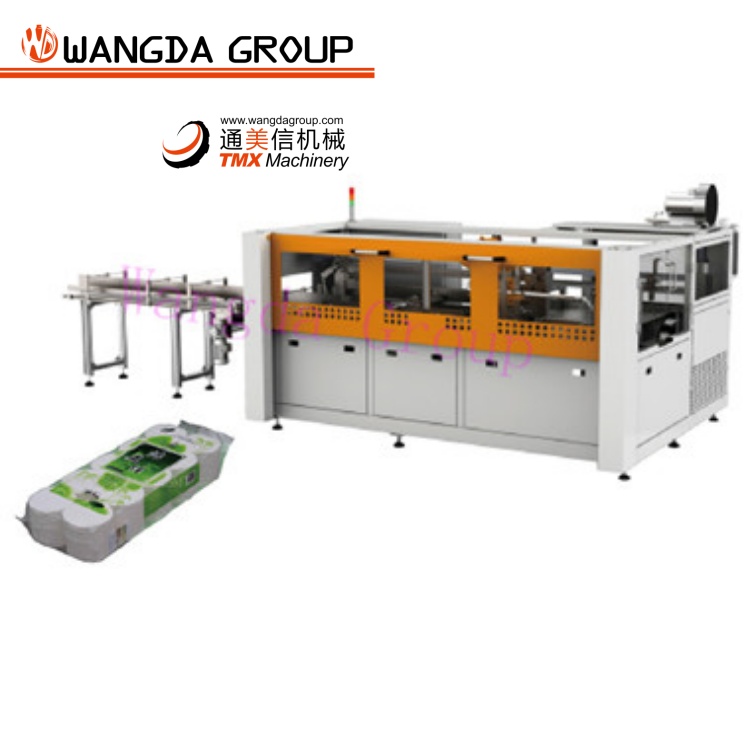
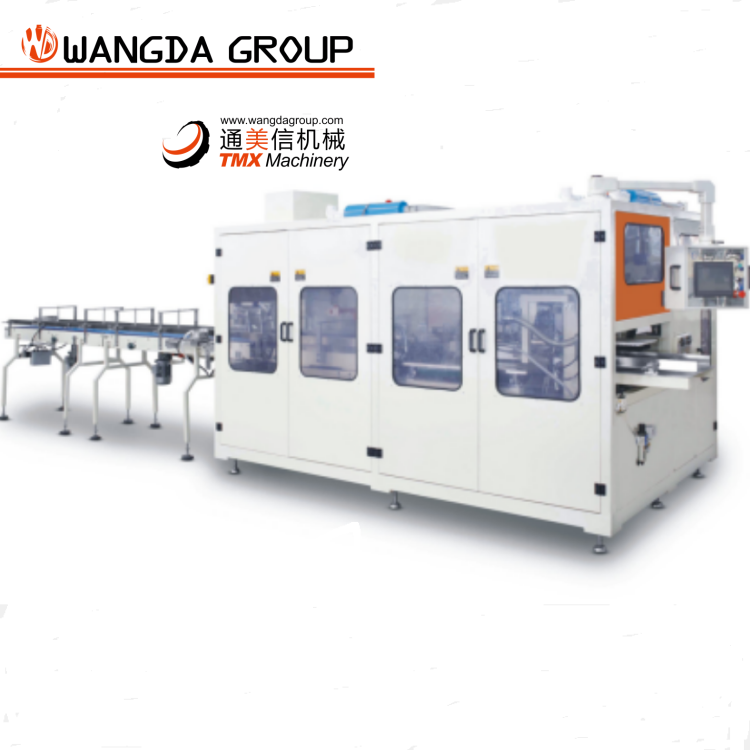
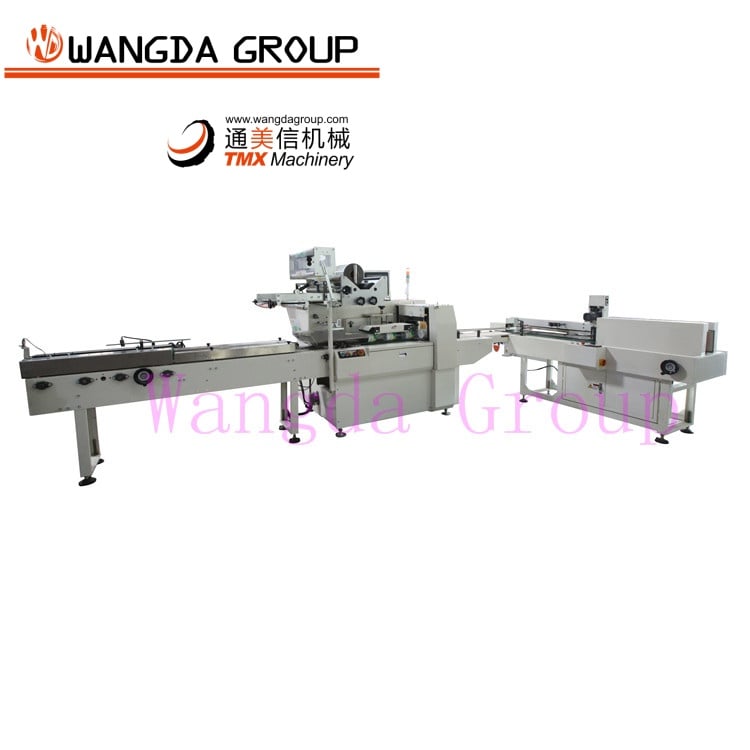
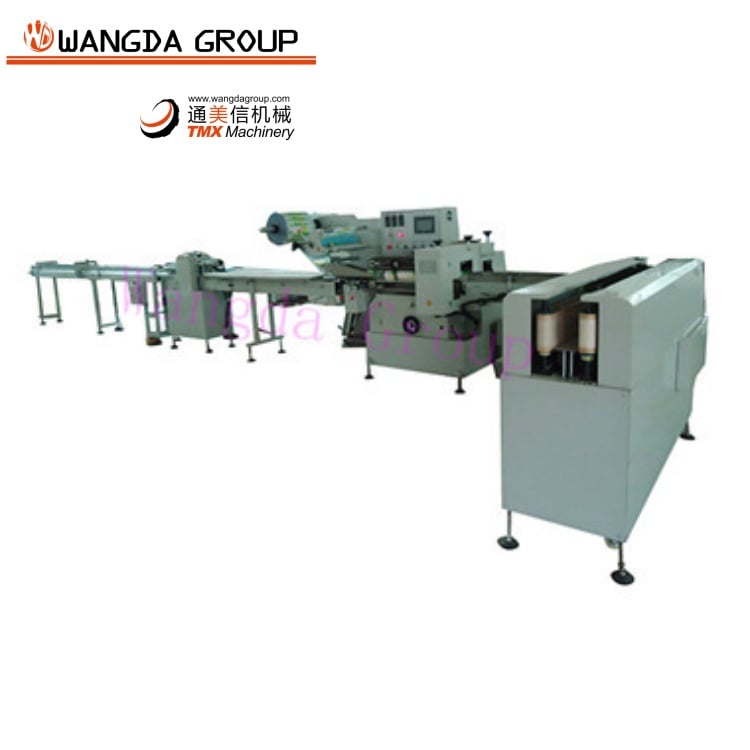
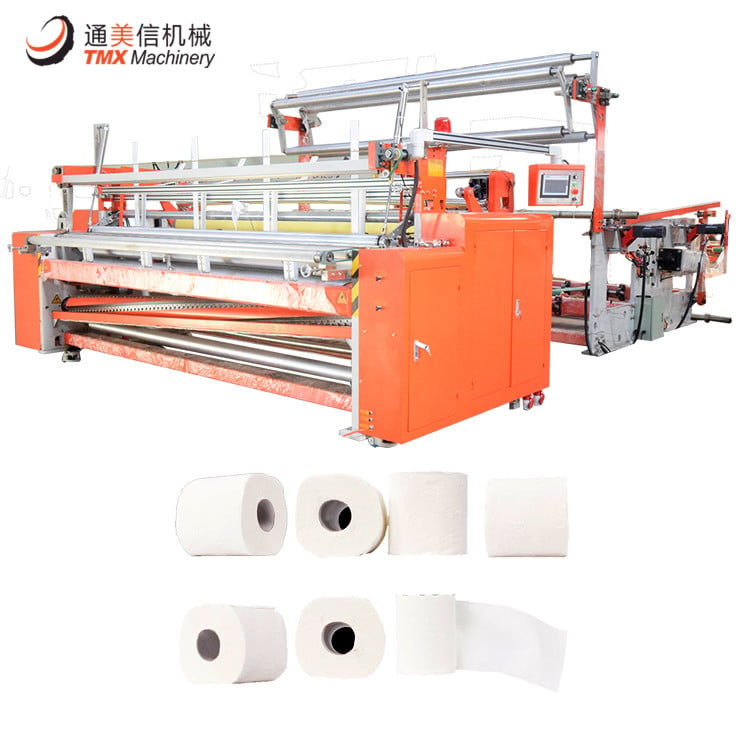
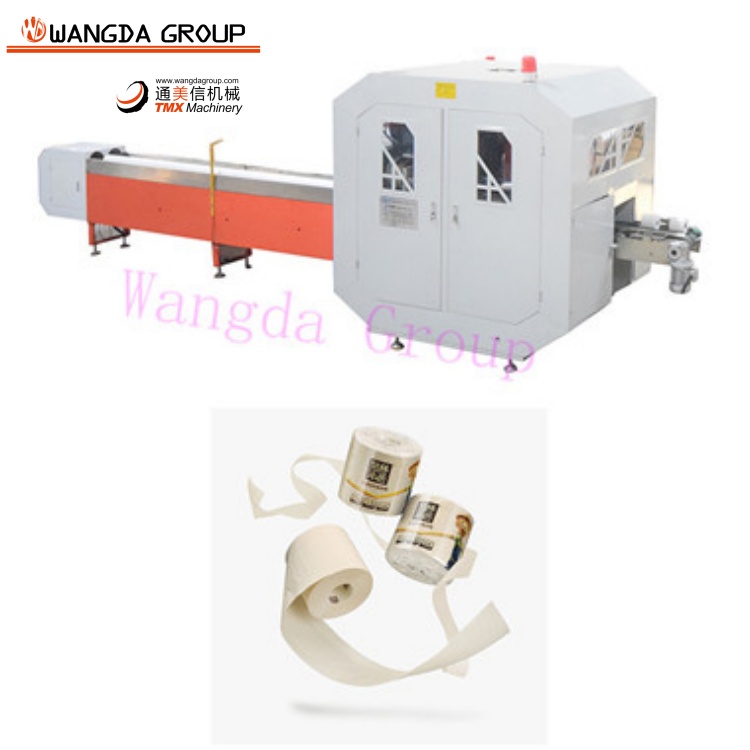
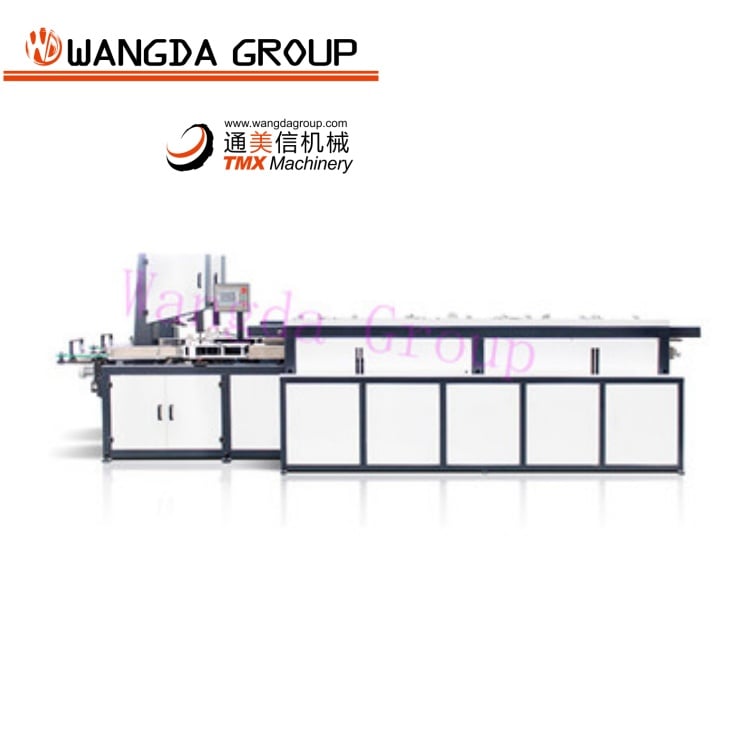
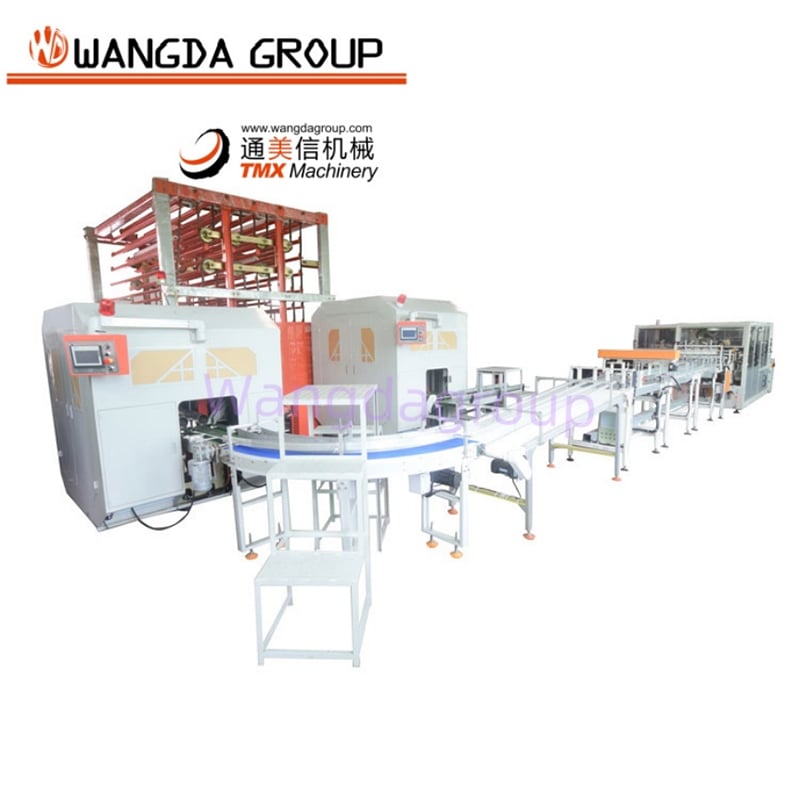
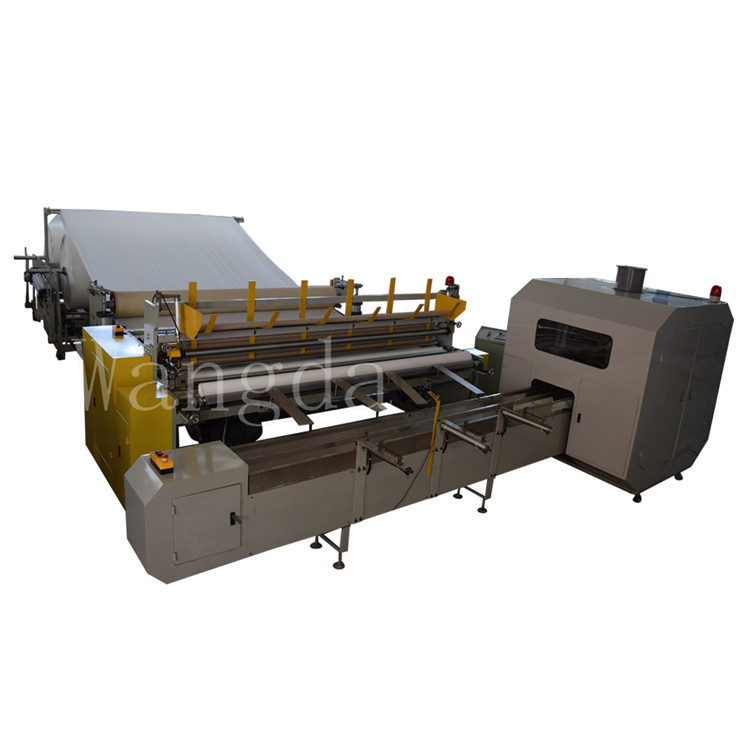
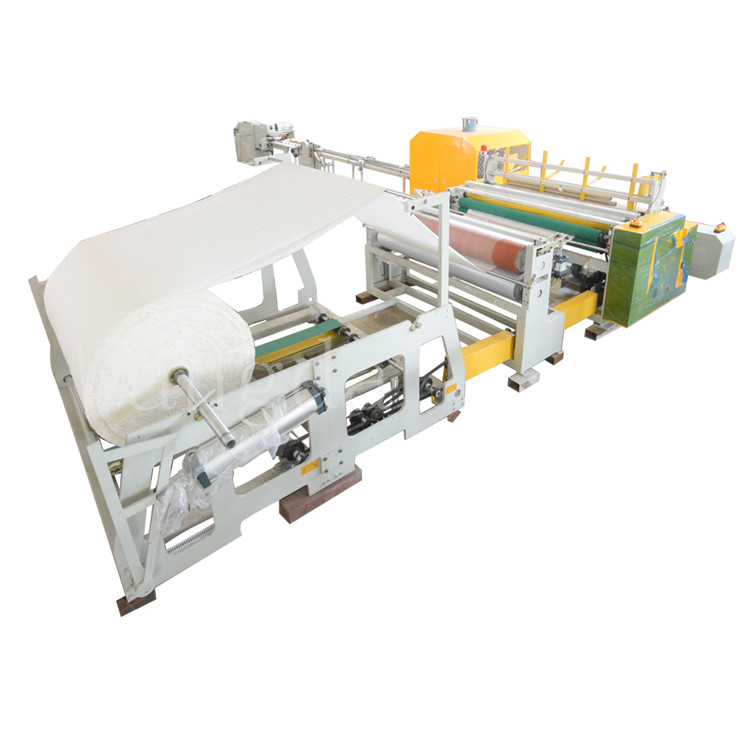
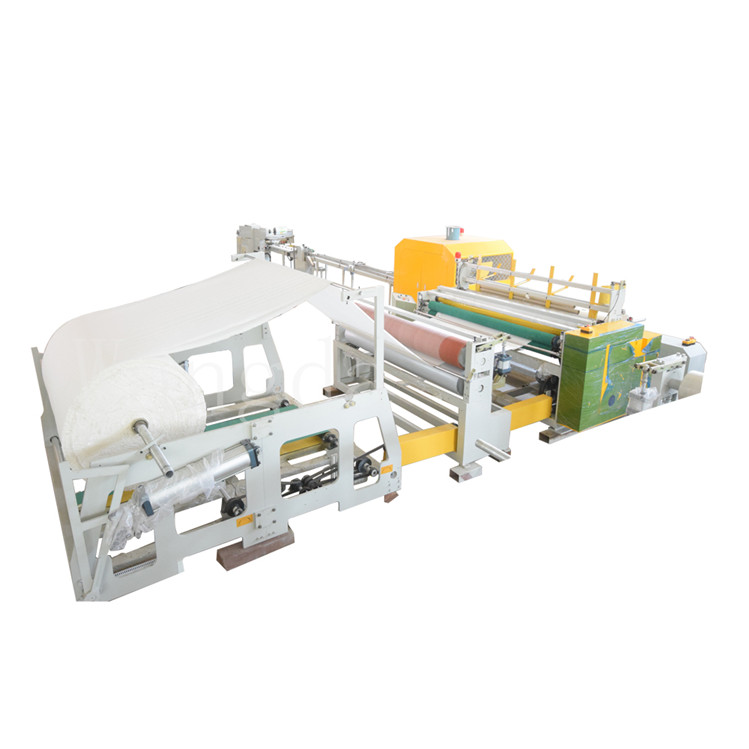
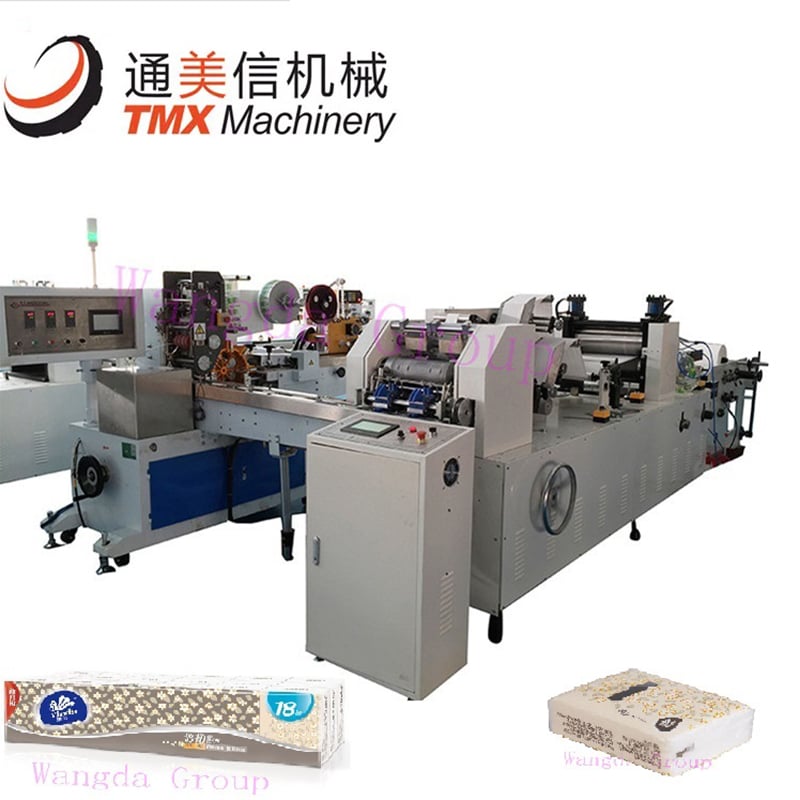
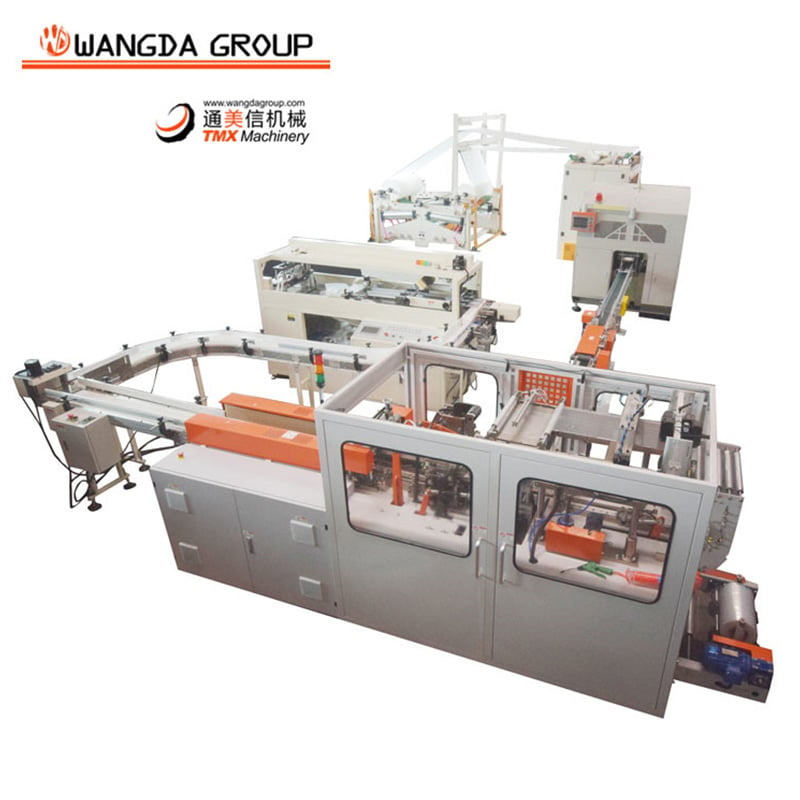
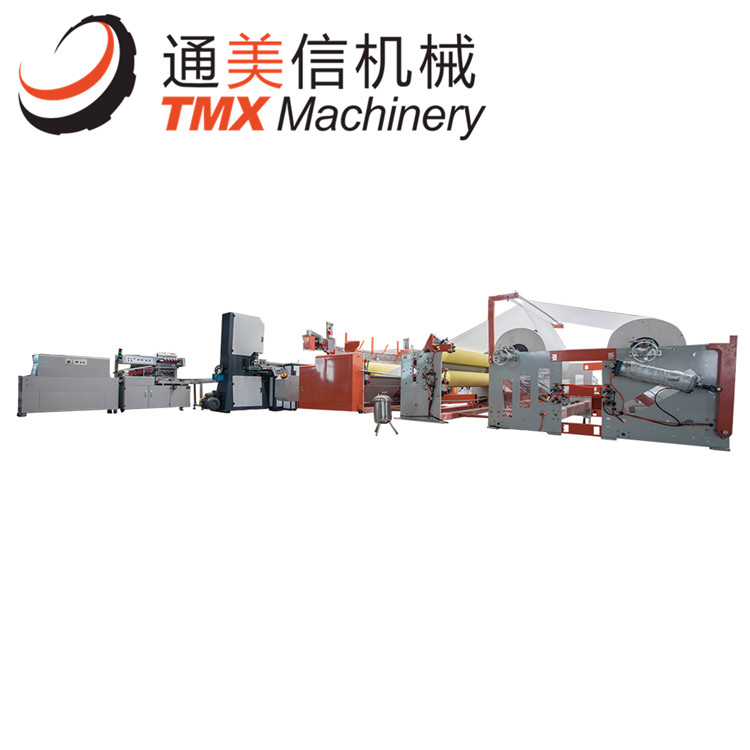
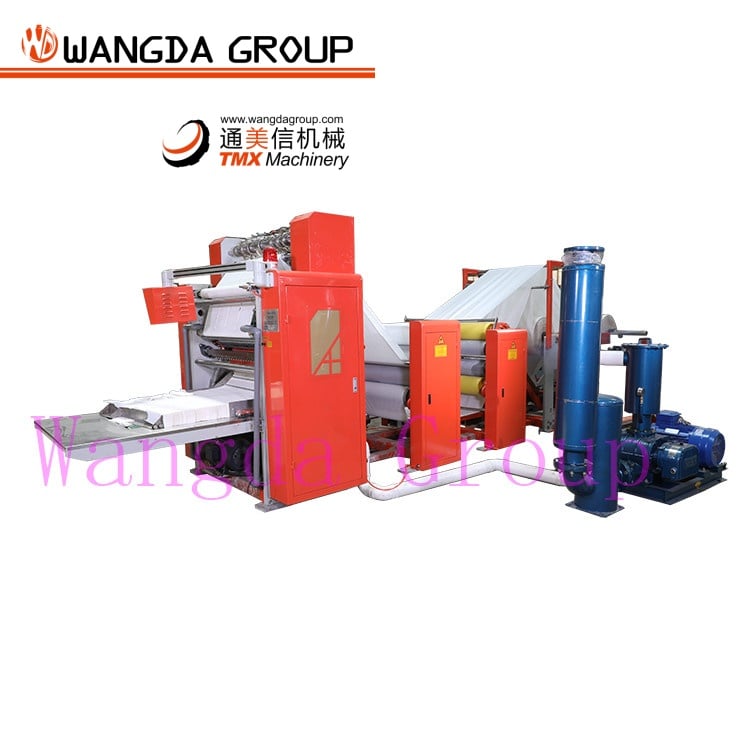
Toilet paper production is an essential aspect of the hygiene products industry, particularly in regions like Kenya where demand continues to grow. The primary keyword for this discussion is “toilet paper machine in Kenya.” Buyers in this sector often seek reliable, high-quality machinery that meets production needs while adhering to budget constraints. This article will explore key specifications, sourcing strategies, cost factors, common production issues, and effective solutions to aid purchasing decisions for toilet paper manufacturing equipment.
When selecting a toilet paper machine, several specifications are critical to achieving high performance. Key features include:
Production Capacity: Machines vary widely in their output, typically measured in tons per day. Understanding your production needs is essential, as choosing a machine with insufficient capacity can lead to delays and increased operational costs.
Automation Level: Full-servo production lines offer enhanced efficiency and reduced labor costs, providing precision in cutting, folding, and packing processes. These toilet paper machine are designed to minimize human error and optimize production speed.
Material Compatibility: The machine must handle various paper grades, from standard toilet paper to premium options. Verify that the machine accommodates the raw materials you plan to use, such as recycled paper, which may require specific processing capabilities.
Quality Control Systems: Integrated quality monitoring systems can detect defects in real-time, ensuring that the product meets required standards. Machines equipped with advanced sensors help maintain consistent quality throughout production.
Energy Efficiency: Machines should be designed to minimize energy consumption, which is a significant operational cost. Look for energy-efficient models that meet international standards to reduce overall expenses.
Finding trustworthy suppliers of toilet paper machines in Kenya involves thorough research and careful assessment. Here are some tips for identifying reliable manufacturers:
Industry Associations: Reach out to local and regional manufacturing associations. These organizations often have directories of reputable suppliers and can provide insights into industry standards.
Trade Shows: Attend relevant trade shows and exhibitions, which can facilitate direct interactions with manufacturers. This allows potential buyers to inspect machinery firsthand and assess suppliers’ capabilities.
Online Marketplaces: Platforms like Alibaba, TradeIndia, and Made-in-China offer listings from numerous suppliers. However, due diligence is crucial; check for certifications, customer reviews, and ratings to ensure reliability.
Referrals: Networking with industry peers can lead to valuable recommendations. Colleagues in the hygiene products sector may have firsthand experience with suppliers and can share insights into their performance.
Local Distributors: Consider engaging with local distributors who may have established relationships with manufacturers. They can provide localized support and facilitate negotiations.

Understanding the cost structure for bulk orders of toilet paper machines is vital for budgeting. Key factors include:
Machine Specifications: Higher specifications, such as advanced automation and energy efficiency, typically come at a premium. Assess the trade-offs between initial costs and long-term savings through reduced labor and energy expenses.
Customization Needs: Custom automatic toilet paper machine tailored to specific production needs may incur additional costs. Discuss your requirements with the manufacturer to get a precise quote that reflects any modifications.
Shipping and Import Duties: Be aware of shipping costs and any import duties applicable in Kenya. These can significantly impact the final price, so factor them into your overall budget.
After-Sales Support: Consider the cost implications of after-sales services, such as installation, maintenance, and training. Selecting a supplier that offers comprehensive support can enhance operational efficiency and minimize downtime.
Payment Terms: Negotiating favorable payment terms can alleviate immediate financial pressure. Suppliers may offer financing options or discounts for upfront payments, which can be beneficial for bulk orders.

Despite advancements in technology, manufacturers may encounter several common issues during toilet paper production. Here are some challenges and their solutions:
Quality Variation: Inconsistent product quality can arise from fluctuations in raw material quality or machine settings. Implementing strict quality control measures, such as regular calibration and routine inspections, can help mitigate this issue.
Downtime: Equipment failures can lead to significant production downtime. To minimize this risk, invest in machines with reliable components and establish a proactive maintenance schedule to address potential issues before they escalate.
Waste Management: Excess trimmings and production waste can increase operational costs. Utilizing machines designed for efficient trimming and waste management can significantly reduce material loss.
Machine Compatibility: Ensuring that all components of the production line are compatible is crucial. Before purchasing, verify that your new machines can integrate seamlessly with existing equipment to avoid operational disruptions.
Training Needs: Insufficient training can lead to operational errors. Investing in comprehensive training programs for staff can enhance their proficiency and ultimately improve production efficiency.
Wangda has more than 20 years of experience manufacturing tissue machines. We pay attention to the quality of machines, their function as well as pre and post sales service. We've sold machines to over 100 countries. This has resulted in numerous orders and good feedback from our customers. Our R and D department is a part of Wangda. We have our own R and D departments. Our machines are constantly upgraded and are incorporating the latest technology of Germany, Japan, and Italy. They have received ISO9002, CE and BV certifications. We offer turnkey projects that span from Toilet paper machine that includes more than machines.
We've Toilet paper manufacturing machine with many clients both in the United States as well as abroad.
Wangda has very professional with a long-standing sales team as well as an after-sales team, 80% of the team has worked for over 10 years in our company in the Toilet paper roll making machine industry. Our teams have much experience working with daily-use paper tissue machines, packing machines, and more Hygienic products machines We are experts in a range of expertise in this field, we think what our customer wants, we worry about what our customers are worried about. Our customers aren't just purchasing equipment from us, we also help them earn a profit from the hygiene-related business. We provide our clients with the after-sales services they require.
Wangda produces toilet tissue machines (including cutting and packing) kitchen towels machines (including cutting and packing) facial tissue machines (including cutting and packing) bags of Toilet paper making machine facial tissue machines. We also make maxi roll rewinding devices as well as perforating machines.
Investing in a toilet paper machine in Kenya requires careful consideration of various factors, including specifications, supplier reliability, cost structures, and potential production challenges. By understanding these elements, purchasing managers and decision-makers can make informed choices that align with their operational needs. Engaging with experienced suppliers, like Wangda Industrial Co., Limited, can further streamline the process, ensuring that the toilet paper maker machine acquired is both high-quality and tailored to the specific demands of the market. With the right equipment and support, businesses can effectively meet the growing demand for hygienic products in Kenya and beyond.