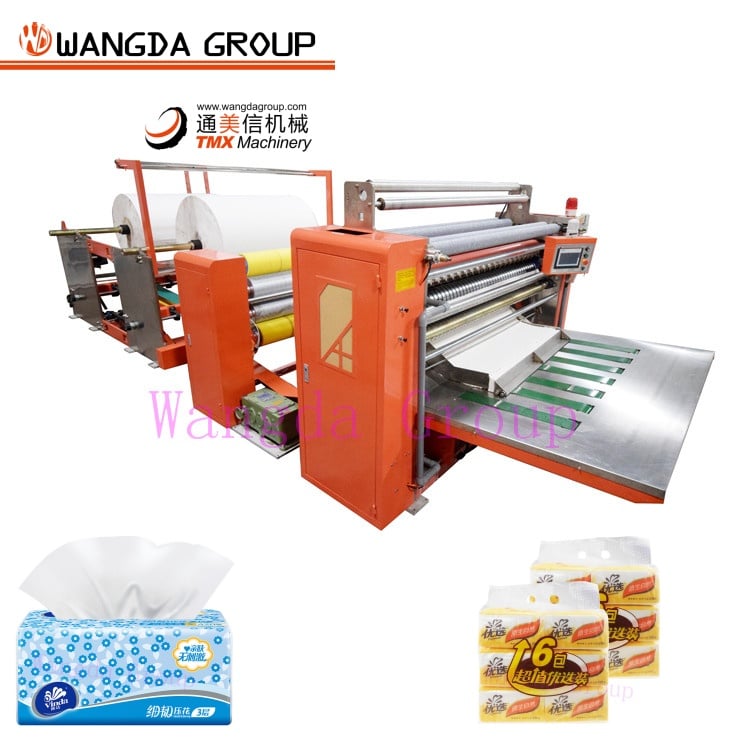
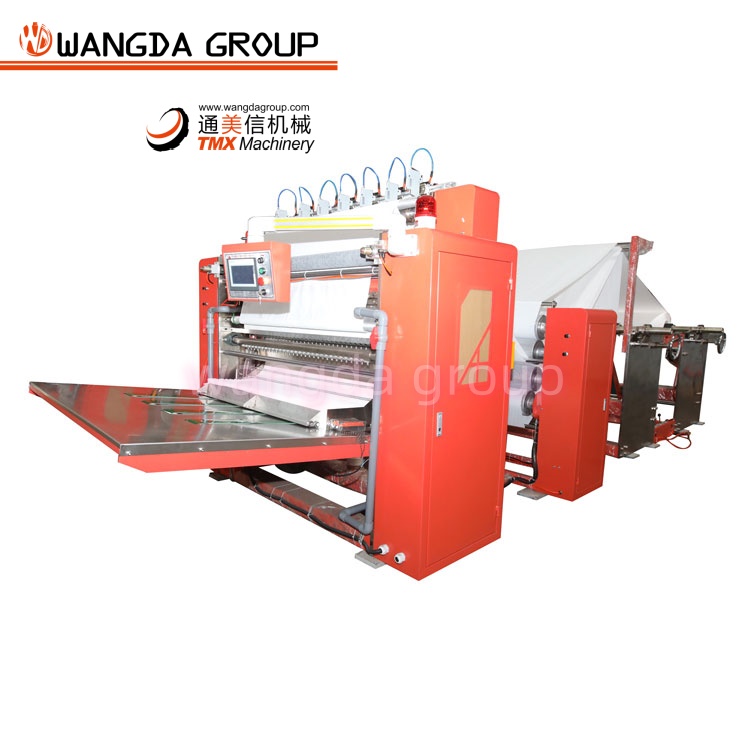
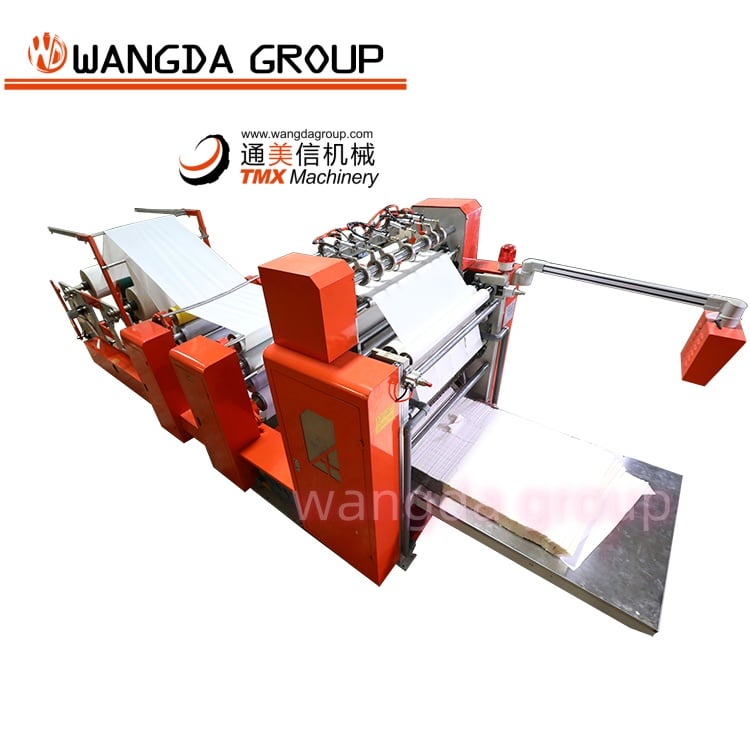
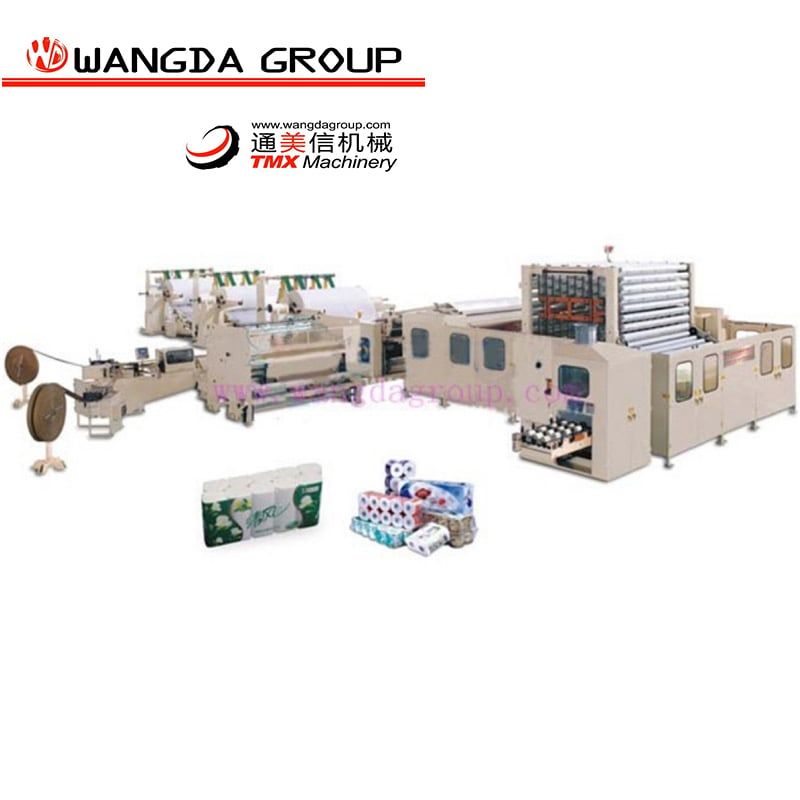
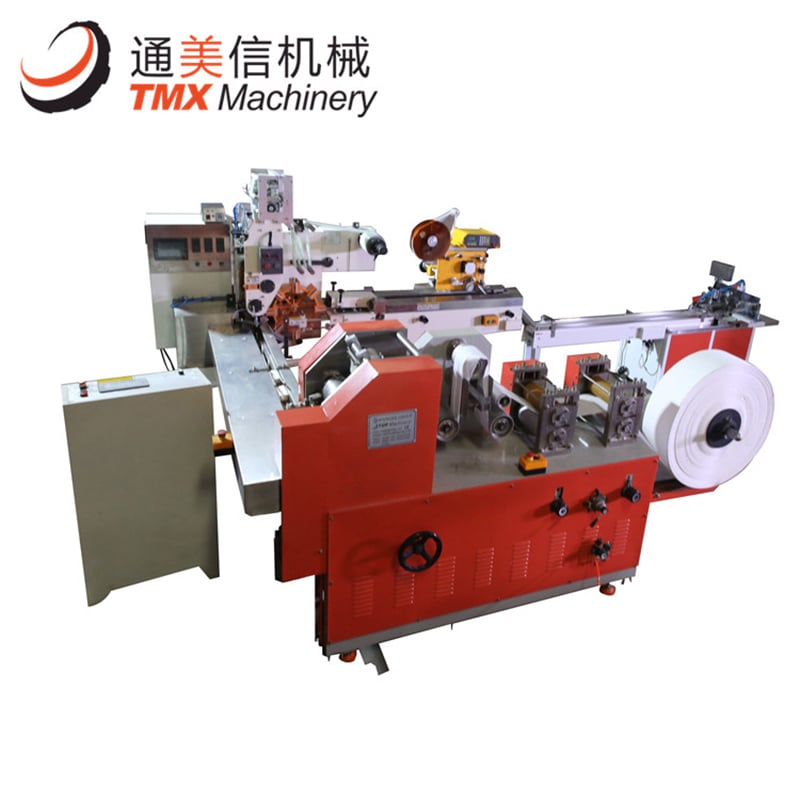
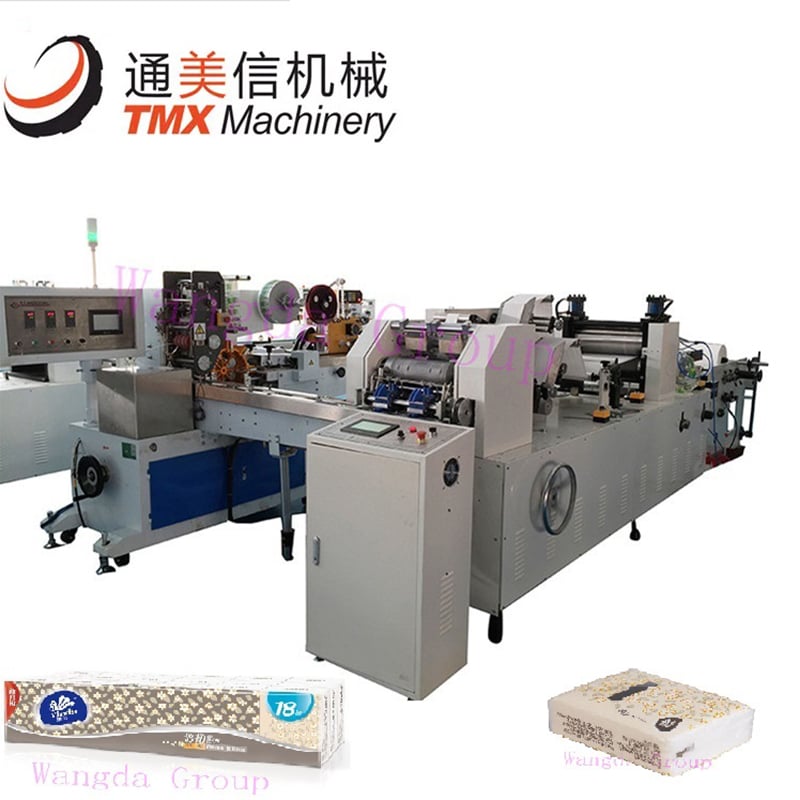
Tissue paper making machines are essential in the production of various hygienic paper products, including napkins, facial tissues, handkerchiefs, and toilet paper. For buyers such as purchasing managers and engineers, selecting the right tissue paper machine involves evaluating performance specifications, understanding installation requirements, and anticipating production challenges. This article will provide insights into reliable suppliers, key specifications to consider, installation guidance, common manufacturing challenges, and the applications of tissue paper machines across different industries.
Finding reliable suppliers for tissue paper making machines is crucial for ensuring production efficiency and product quality. Start by researching manufacturers with a proven track record, such as Wangda Industrial Co., Limited, which specializes in a wide range of hygienic product machines. Look for suppliers who provide comprehensive product information, including machine specifications, certifications, and customer testimonials. Additionally, attending industry trade shows and exhibitions can facilitate direct interactions with tissue paper machine price. These events often showcase the latest technology and allow buyers to compare multiple suppliers in one location. Online platforms and industry directories also serve as valuable resources for finding reputable suppliers. Always check for third-party reviews and feedback to gauge the reliability and service quality of potential partners.

When evaluating tissue paper making machines, several key specifications should be prioritized:
Production Capacity: This is often measured in tons per day and should align with your manufacturing requirements. A machine with higher capacity may be necessary for larger operations to meet demand.
Speed: The machine’s operating speed, typically expressed in meters per minute, affects overall productivity. It's important to ensure that the speed is suitable for the type of tissue being produced, as different products may have different speed requirements.
Energy Efficiency: Machines with energy-saving features can significantly reduce operational costs. Look for equipment that meets energy efficiency standards to ensure long-term savings.
Material Compatibility: Different tissue paper making machine price may be designed to work with specific types of raw materials, such as recycled paper or virgin pulp. Ensure the machine you select is compatible with the materials you plan to use.
Automation Features: Full-servo production lines often offer higher automation levels, reducing labor costs and improving production consistency. Assess whether features like automatic roll changing and monitoring systems are included.
Quality Control Systems: Integrated quality control systems can enhance product consistency and reduce waste. Consider machines that offer real-time monitoring of key performance indicators.
Understanding these specifications helps buyers make informed decisions that align with their production goals and quality standards.

Proper installation of tissue paper making machines is vital for optimal performance. Here are essential steps to ensure a successful setup:
Site Preparation: Before installation, ensure the facility meets the machine's dimensional and environmental requirements. This includes adequate space, proper flooring, and necessary utilities such as electricity and water.
Technical Specifications: Review the installation manual provided by the manufacturer. It will detail the specific requirements for electrical connections, air supply, and other utilities.
Professional Installation: Engage experienced technicians for installation. Skilled personnel can ensure that the machine is set up correctly, minimizing the risk of operational issues later on.
Testing and Calibration: After installation, conduct thorough testing to calibrate the machine’s settings according to production specifications. This step is crucial to identify any potential issues before the machine goes live.
Training: Provide training for operators on how to use the machine effectively. Understanding operational procedures, maintenance routines, and emergency protocols can enhance productivity and safety.
By following these guidelines, buyers can optimize their installation process, leading to smooth production runs.

Tissue paper manufacturing presents several challenges that can impact efficiency and product quality. Here are common issues and practical solutions:
Raw Material Variability: Variations in raw materials can lead to inconsistent product quality. To mitigate this, establish relationships with reliable suppliers and set strict quality control measures for incoming materials.
Machine Downtime: Unexpected breakdowns can halt production. Regular maintenance schedules and prompt repairs can minimize downtime. It's also advisable to keep critical spare parts on hand to reduce repair time.
Quality Control Issues: Inconsistencies in product quality can arise due to machine settings or raw material quality. Implementing real-time monitoring systems can help detect issues early, allowing for immediate corrective action.
Waste Management: Excess waste during production can increase costs. Optimize production processes and consider recycling options for off-cuts and defective products to minimize waste.
Market Demand Fluctuations: Changes in market demand can lead to overproduction or underproduction. Employ flexible manufacturing strategies and maintain open communication with sales and marketing teams to adjust production plans accordingly.
Addressing these challenges proactively can enhance production efficiency and product quality, leading to better market competitiveness.
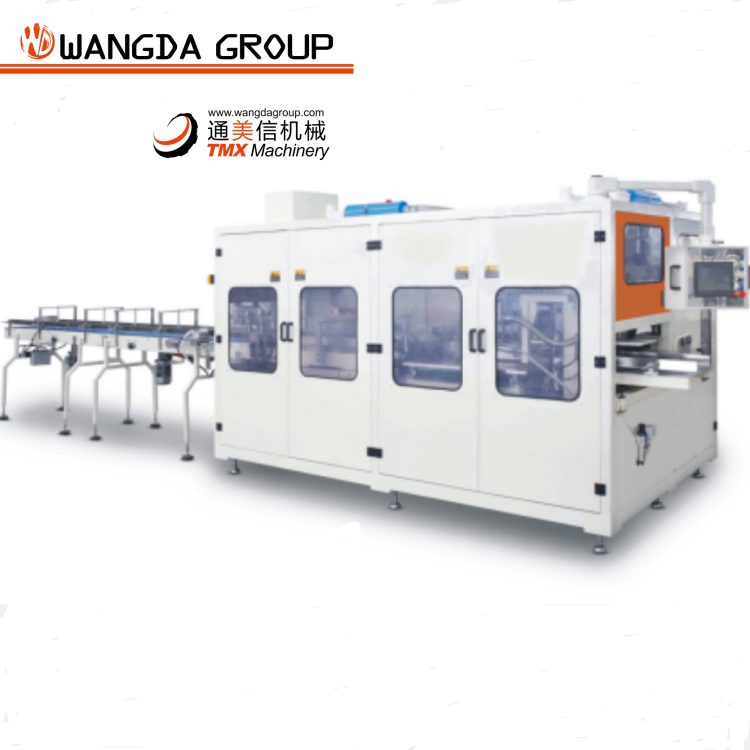
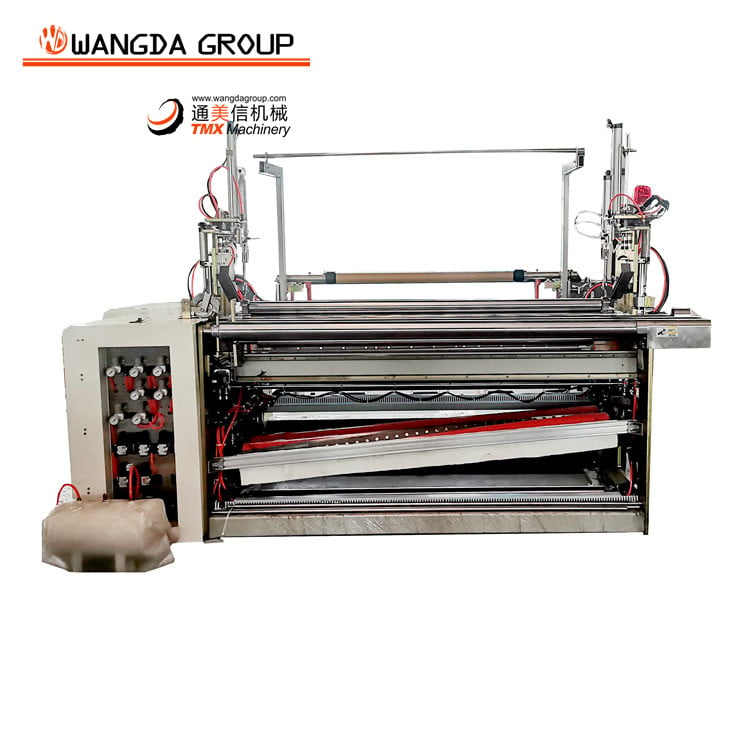
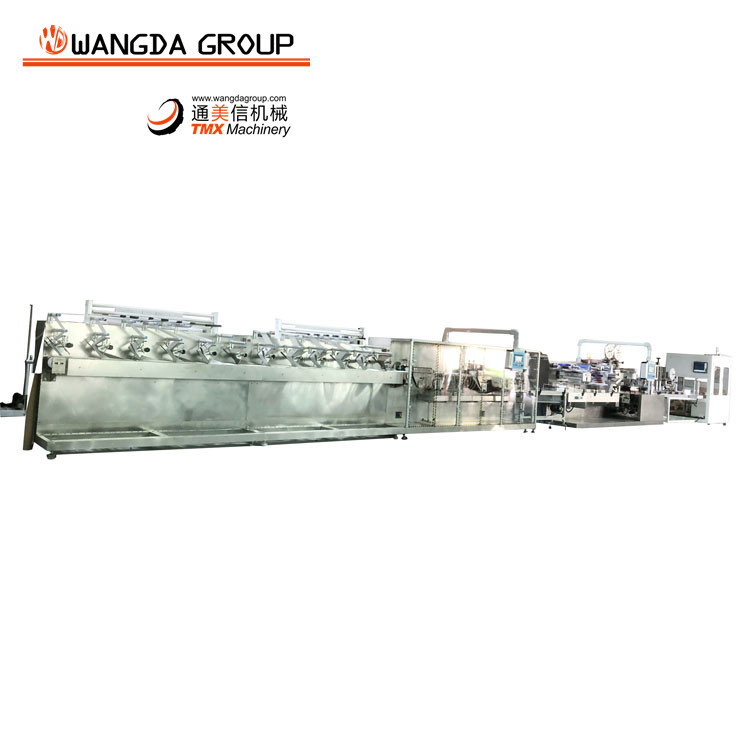
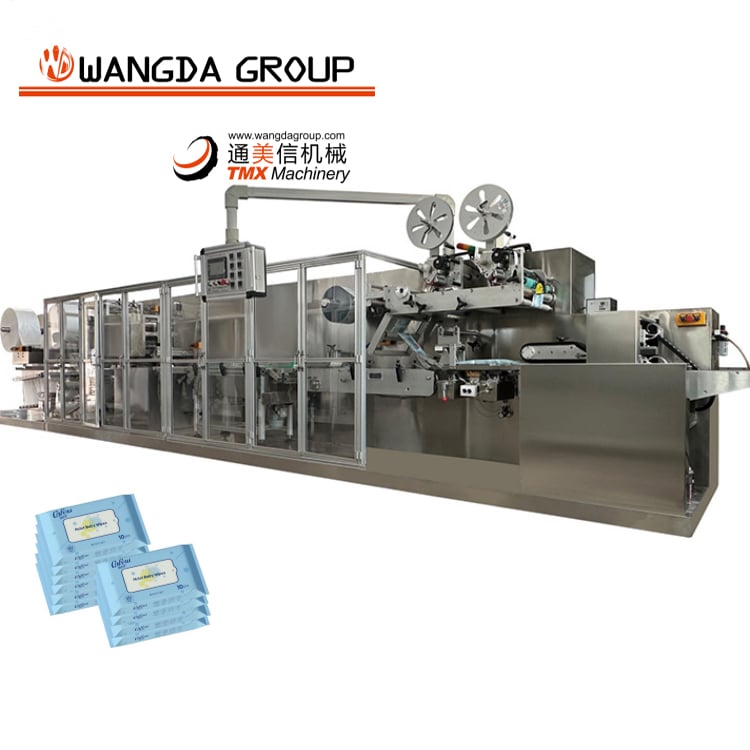
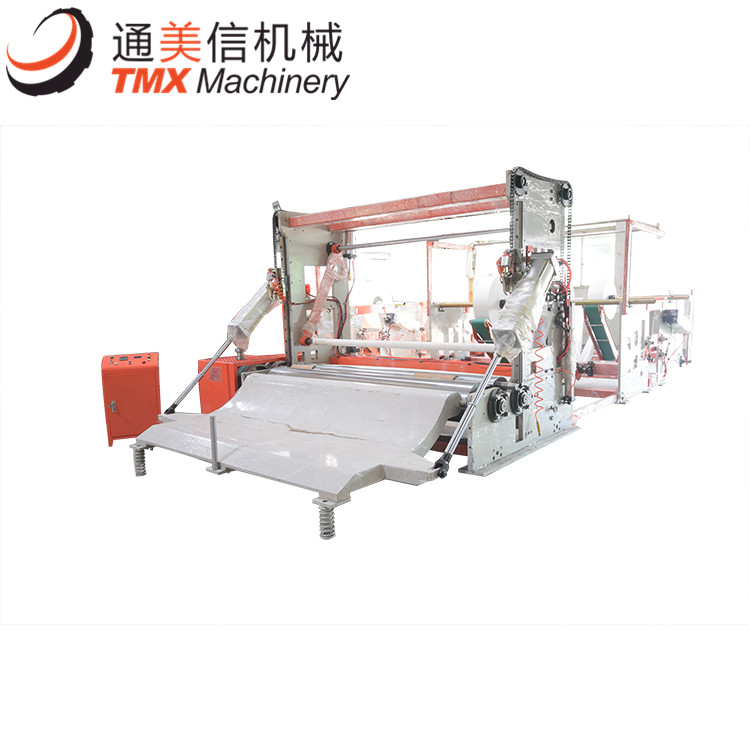
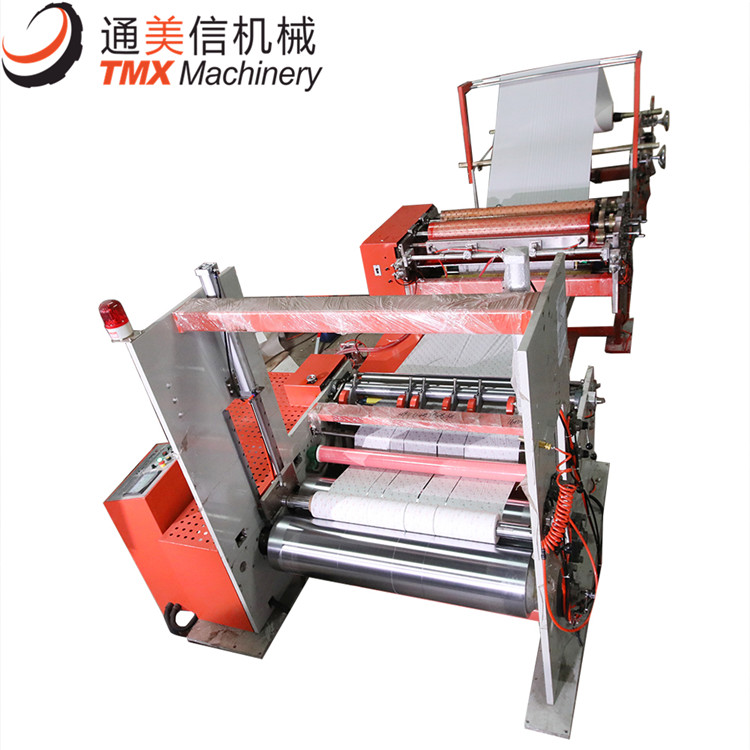
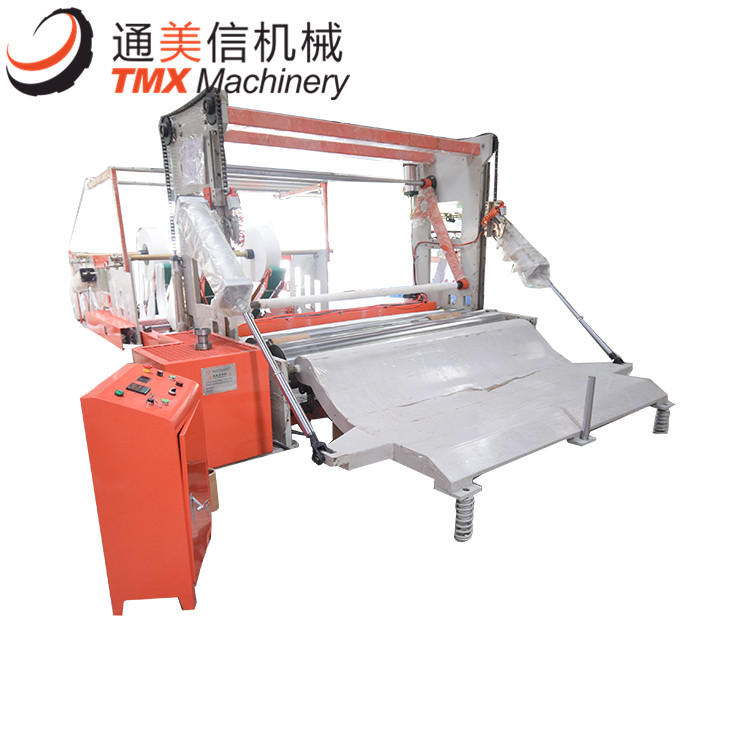
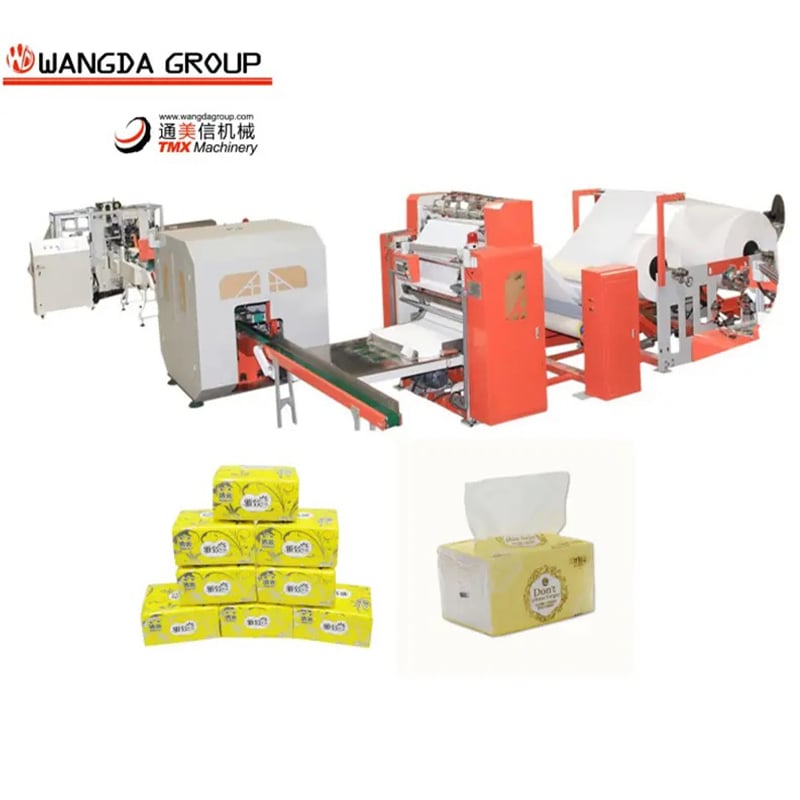
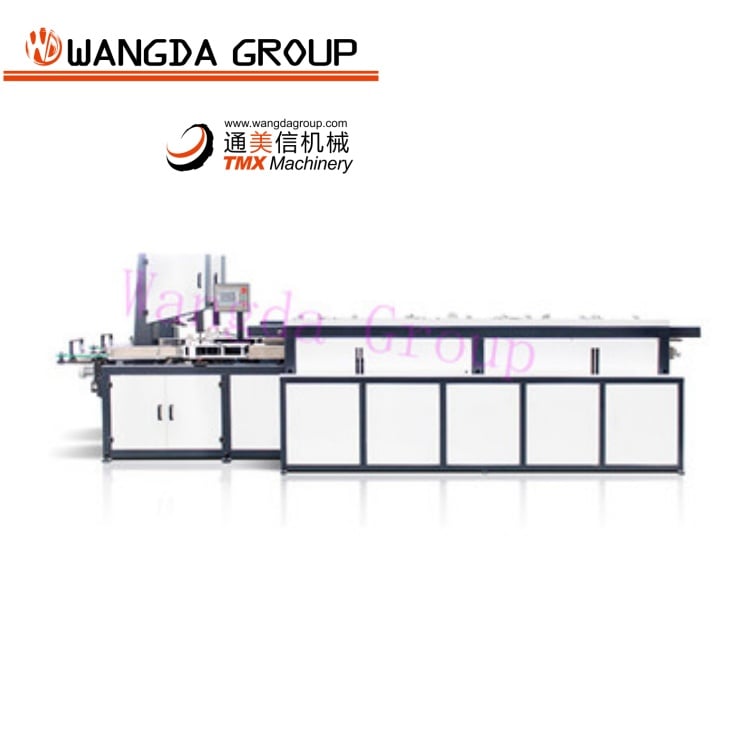
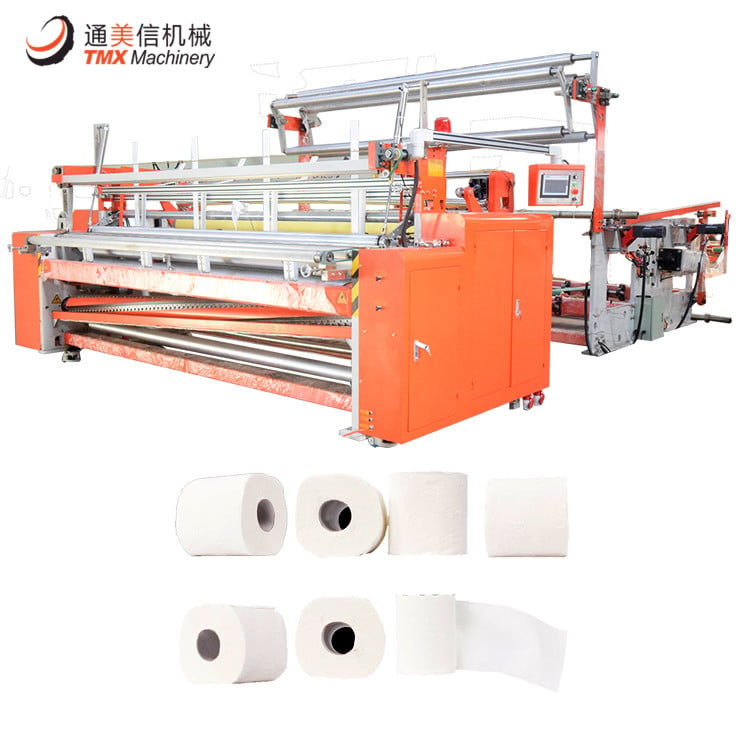
Wangda Tissue paper making machine toilet tissue machines (including cutting and packing), kitchen towel machines (including cutting and packing) facial tissue machines (including cutting and packing) as well as nylon bag facial tissues machines. We also make maxi roll rewinding equipment as well as perforating machines.
Toilet paper making machine has a very experienced with a long-standing sales team as well as an after-sales staff, 80% of the team has worked for more than 10 years in our business in this hygienic product industry. Our team members have a lot of experience working with daily-use paper tissue machines, related packing machines and so on hygienic product machines We are experts in a range of information in this area, we know what our clients need, and worry about the things that make they are concerned about. We don't only sell machines to our customers, we also assist our customers to make profit from this hygienic business, to provide the lifelong after-sales service to our customers on time.
Wangda has more than 20 years experience in the Toilet paper making machine of all kinds of tissue machines, we pay much attention to the features of the machine and its quality, as well as in addition, after sales and pre-sales services. We've sold machines in over 100 countries. This has resulted in many repeat orders and good reviews from our clients. Wangda has its own R and D departments. Our machine is based on the latest Germany Japanese, Japan and Italian technology, and is upgraded day by day. Our machines have been certified to ISO9002, CE, BV and other certifications. We offer turnkey projects that span from A to Z, not just machines.
We've Toilet tissue machine with many clients both in the United States as well as abroad.
Tissue paper making machines are versatile and serve a wide range of applications across different industries:
Hygienic Products: The most common application is the production of facial tissues, napkins, and toilet paper, which are essential in house holds and commercial settings.
Healthcare: Tissue paper products are widely used in hospitals and clinics for patient care, including disposable towels and sanitary products.
Food Service: Restaurants and food service providers utilize tissue paper products for napkins and take-out packaging, making them a critical component of the dining experience.
Personal Care: Products like handkerchief tissues and wet wipes are manufactured using tissue paper machines, catering to personal hygiene needs.
Industrial Applications: In certain industries, tissue paper is used for cleaning and maintenance purposes, such as in manufacturing facilities where spills need to be managed quickly and effectively.
Understanding the various applications of tissue paper machines can help buyers choose the right equipment tailored to their specific market needs. By focusing on the right specifications, addressing installation and operational challenges, and recognizing industry applications, buyers can make informed decisions that enhance their production capabilities.