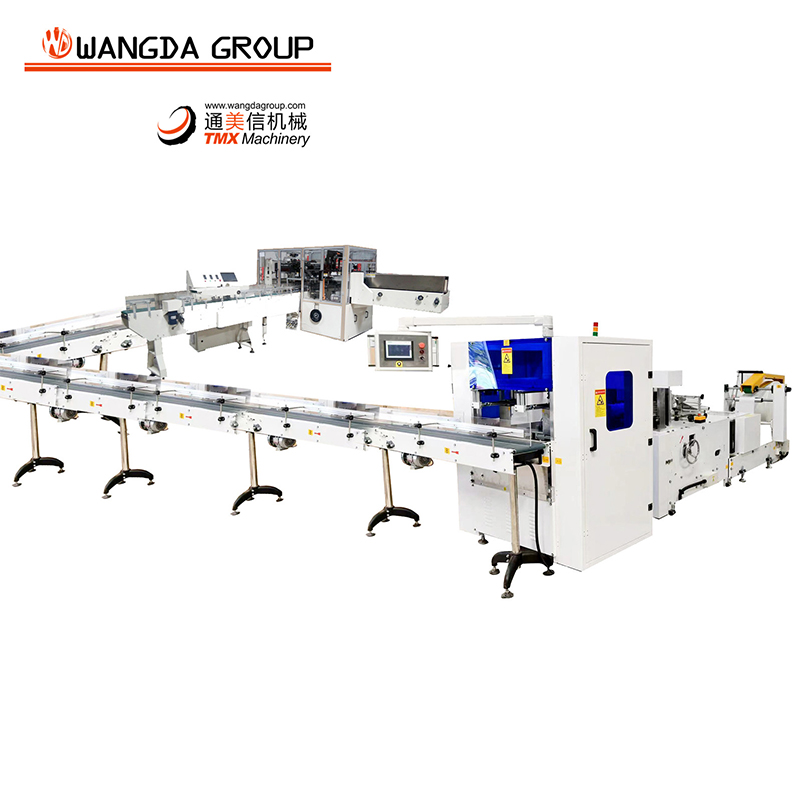
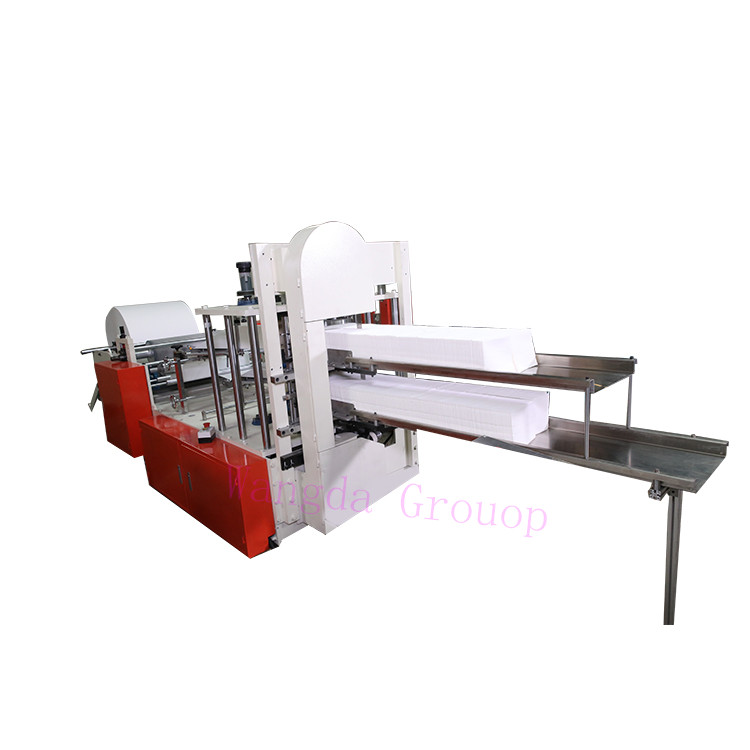
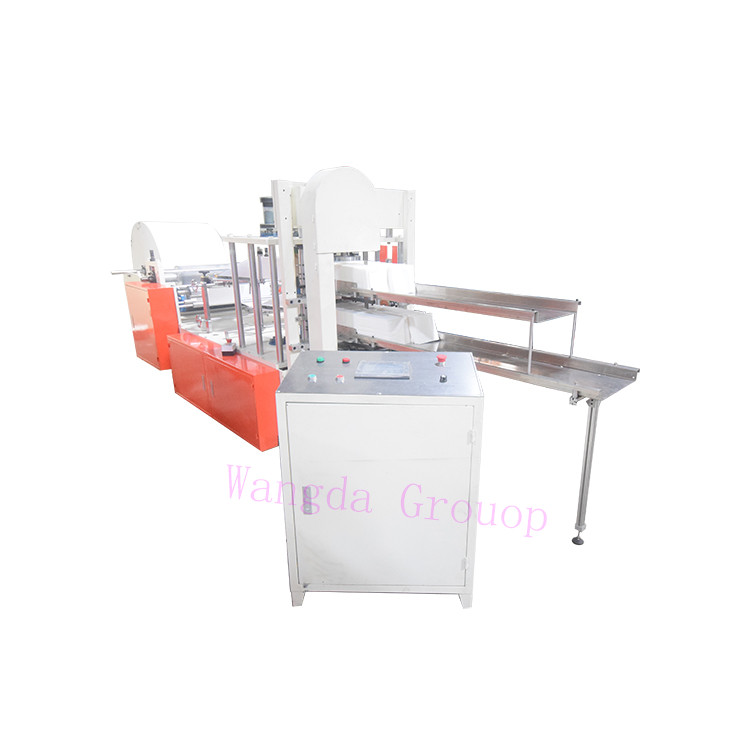
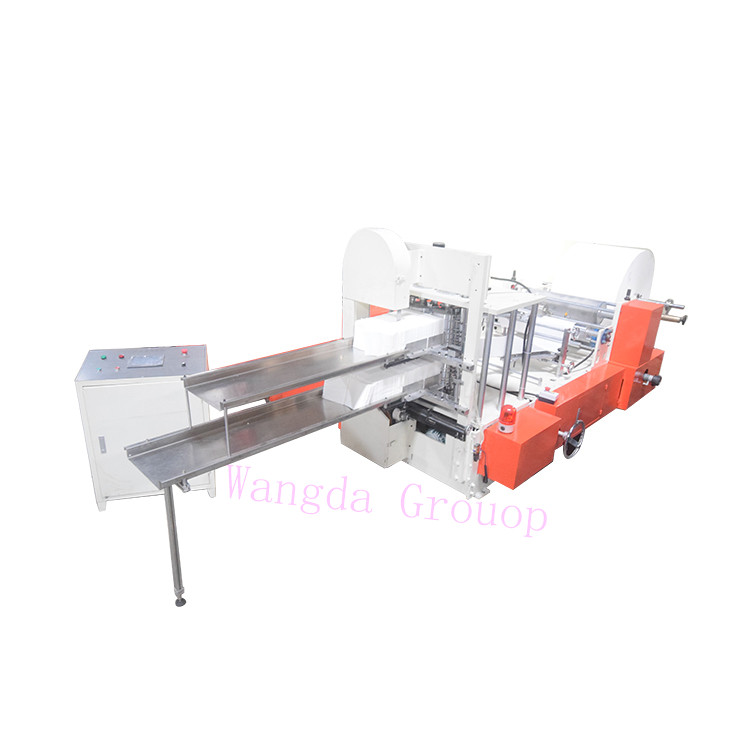
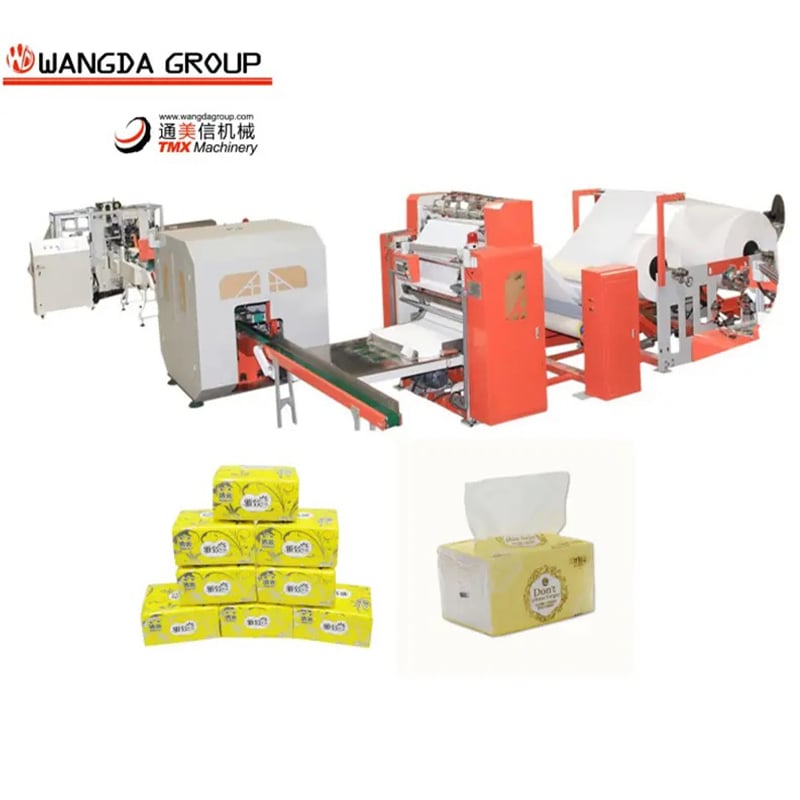
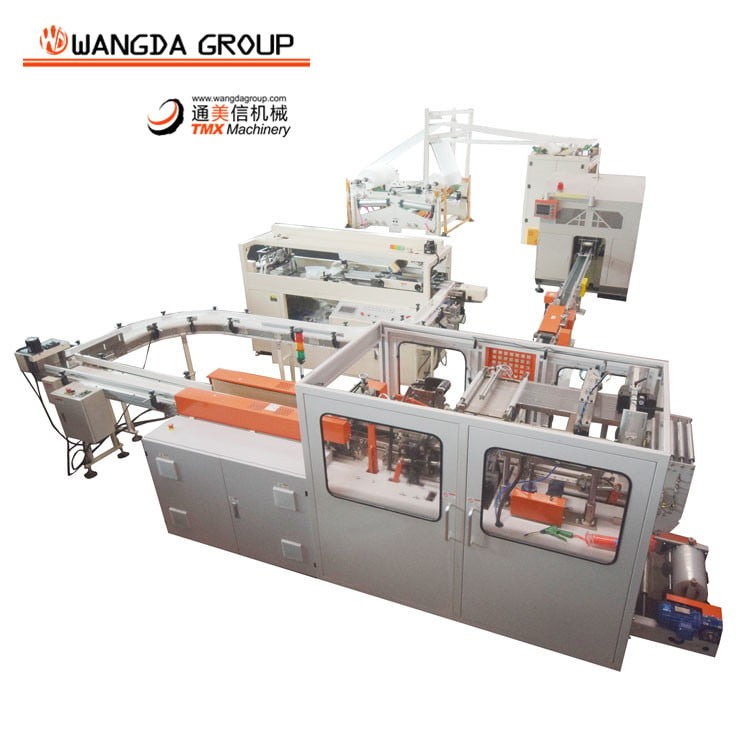
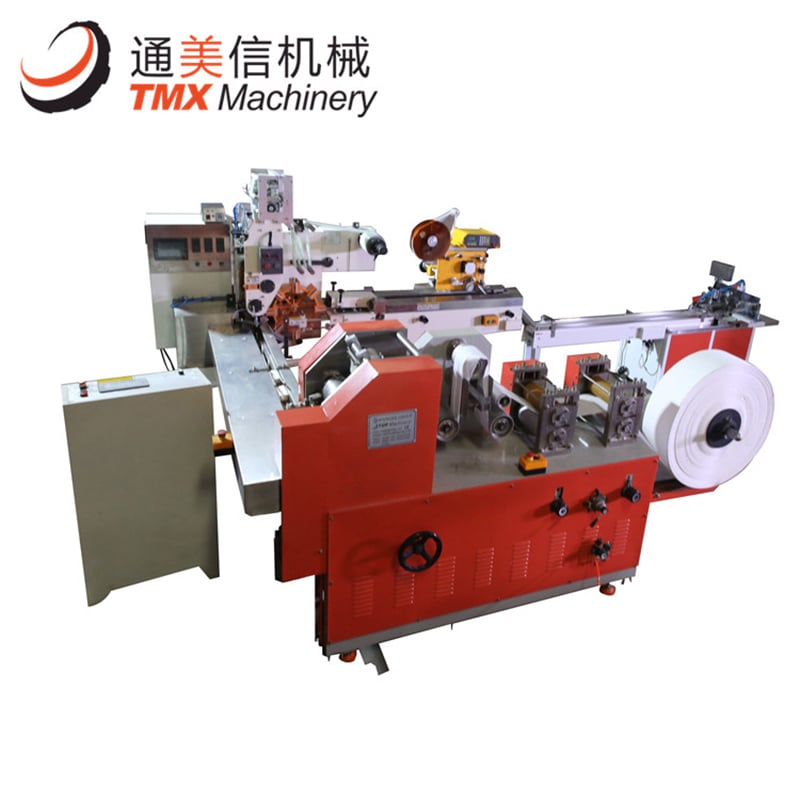
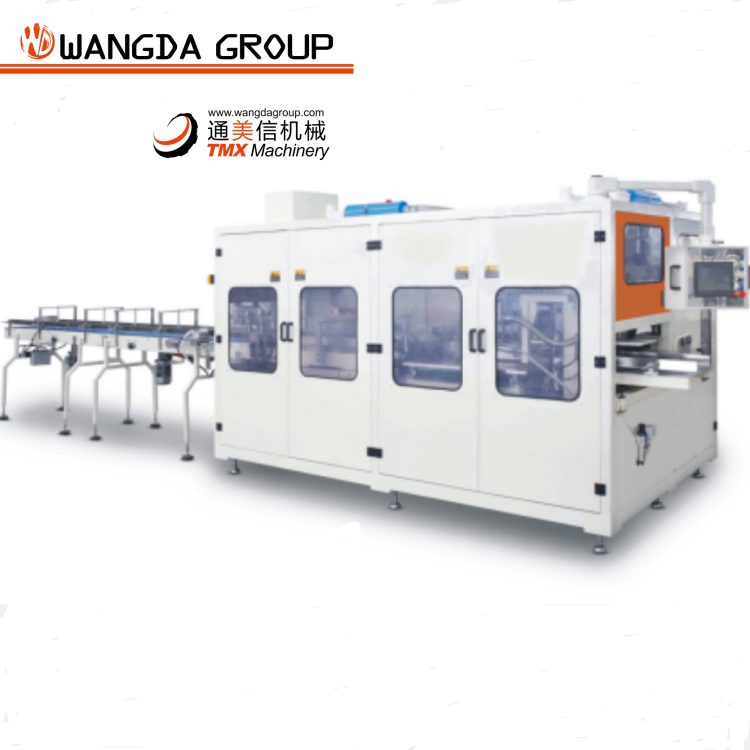
When considering the purchase of a napkin paper machine in Nepal, it’s crucial to understand the specific needs of your business, the machine's capabilities, and the supplier's reliability. Buyers often seek high-quality napkin paper machine that meets production demands while maintaining cost-effectiveness. This article will guide you through essential factors to consider, helping you make an informed decision when selecting a napkin paper machine supplier and understanding the implications of your investment.
Selecting a reliable supplier for a napkin paper machine involves assessing several key factors. Begin by evaluating the supplier’s experience in the industry. A manufacturer like Wangda Industrial Co., Limited, known for its specialization in hygienic product machines, can provide insights into machine performance and operational efficiency.
Consider the supplier’s certifications and quality control processes. Certification ensures that the machinery meets international standards, which is essential for maintaining product quality and compliance with local regulations. Additionally, inquire about the manufacturing capabilities and the types of materials used in their machines, as this can affect the durability and functionality of the equipment.
It's also important to seek references from previous clients or case studies demonstrating successful installations. This can give you confidence in the supplier’s ability to meet your specific requirements, especially if they have experience in the Nepali market.

The total cost of acquiring a napkin paper machine extends beyond the initial purchase price. Key cost factors include:
Machine Specifications: The size, speed, and capacity of the machine can significantly influence the price. A machine designed for higher output may come at a premium but can lead to lower unit costs over time.
Customization Needs: If your production requires specific features or adaptations, customization may increase costs. Discuss your requirements with the supplier to understand how these adjustments will affect pricing.
Installation and Training: Including installation services and operator training in your budget is vital. Partnering with a supplier that offers comprehensive support can minimize downtime and ensure the machine operates efficiently from the start.
Maintenance and Spare Parts: Consider the long-term costs related to maintenance and the availability of spare parts. A supplier with a robust supply chain for spare parts will save you money in the long run.
Understanding these factors will help you create a realistic budget for your automatic napkin paper machine investment.

Proper installation is critical for the optimal performance of a napkin paper machine. Here are several essential steps to ensure an efficient setup:
Site Preparation: Ensure that the installation site is adequately prepared. This includes adequate space for the machine, access to electrical and water supplies, and a stable floor to support the machine's weight.
Professional Installation: Engage trained professionals for the installation process. Manufacturers like Wangda Industrial Co., Limited often provide installation services, ensuring that the machine is set up correctly to minimize operational issues.
Testing and Calibration: After installation, perform thorough testing and calibration to ensure that the machine operates according to specifications. This includes checking for proper alignment, speed settings, and production quality.
Operator Training: Ensure that your operators are trained not only in operating the machine but also in routine maintenance procedures. This will help in maximizing efficiency and prolonging the machine’s lifespan.
By following these steps, you can ensure that your napkin paper machine is installed correctly and ready for production.
Buyers should be aware of potential issues that can arise with napkin paper machines and how to address them:
Material Jamming: One common issue is material jamming, which can occur if the raw material is improperly loaded or if there are inconsistencies in the material quality. Regular quality checks and ensuring that the materials meet the machine’s specifications can help mitigate this problem.
Inconsistent Output Quality: Variations in product quality can arise from napkin paper making machine settings or raw materials. It’s crucial to calibrate the machine according to the specifications for the type of napkin being produced and regularly inspect the output for quality assurance.
Mechanical Failures: Mechanical parts can wear out over time, leading to operational failures. Establishing a routine maintenance schedule and using high-quality components can prevent unexpected breakdowns.
Operator Errors: Inexperienced operators may inadvertently cause issues during production. Providing thorough training can reduce the likelihood of errors and enhance overall efficiency.
Understanding these common problems and their solutions will enable you to take proactive measures to maintain optimal machine performance.
Wangda has more than 20 years experience in the Toilet tissue machine of all kinds of tissue machines, we pay much attention to the features of the machine and its quality, as well as in addition, after sales and pre-sales services. We've sold machines in over 100 countries. This has resulted in many repeat orders and good reviews from our clients. Wangda has its own R and D departments. Our machine is based on the latest Germany Japanese, Japan and Italian technology, and is upgraded day by day. Our machines have been certified to ISO9002, CE, BV and other certifications. We offer turnkey projects that span from A to Z, not just machines.
Wangda is a highly professional and knowledgeable sales staff and after-sales team, 80% of the team has been in Toilet tissue machine for more than 10 years in our company in this hygiene-conscious product industry. Our team has a wealth of experience in the daily use of paper tissue machines, related packing machines and many other Hygienic products machines We have a wide range of professional expertise in this field, we are aware of what our customers wants, we worry about what our customers worry about. We not just sell the machines to our clients, but we help our customers earn money through this business of hygienic products, to provide the lifelong after-sale services to our customers at the right time.
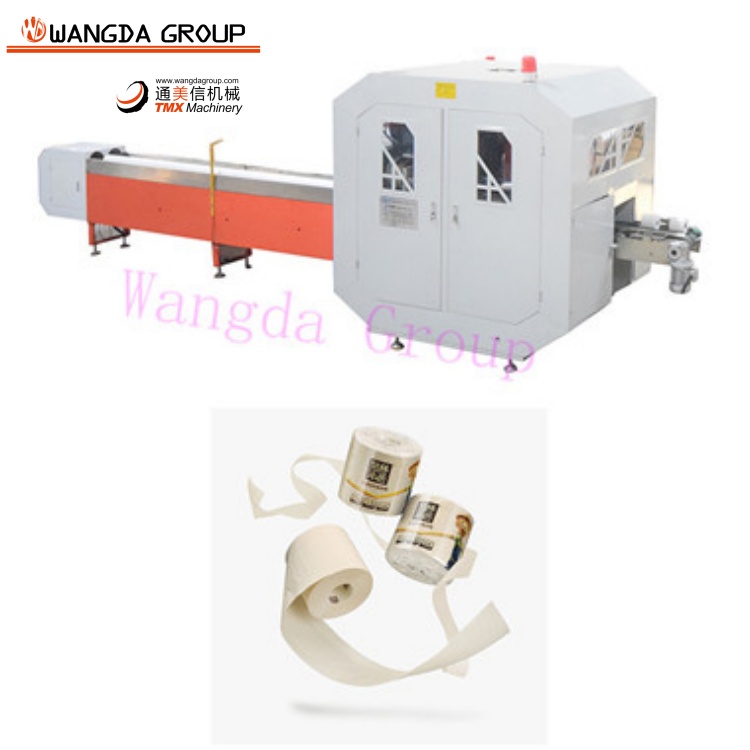
Wangda manufactures Toilet roll manufacturing machine tissue machines (including cutting and packing), kitchen towels machines (including cutting and packing), facial tissue machines (including cutting and packing) bags of nylon facial tissues machines. We also manufacture maxi roll rewinding equipment as well as perforating machines.
We've Toilet paper roll making machine with many clients both in the United States as well as abroad.
When evaluating different models of napkin paper machines, consider the following criteria:
Production Capacity: Assess how much product each machine can produce per hour. Higher capacity machines may be more suitable for large-scale operations, while smaller models may suffice for smaller businesses.
Features and Technology: Different models may offer various technological advancements, such as automation and energy efficiency features. Evaluate which features align with your operational goals and budget.
Flexibility: Some machines offer the ability to produce multiple product types. If you anticipate diversifying your product line, it may be worth investing in a more versatile model.
After-Sales Support: Consider the level of after-sales support and service provided by the manufacturer. A model supported by a reputable supplier ensures that you have access to assistance if issues arise.
Comparing these factors across different models will help you identify the best napkin paper machine that meets your production needs while aligning with your budgetary constraints.