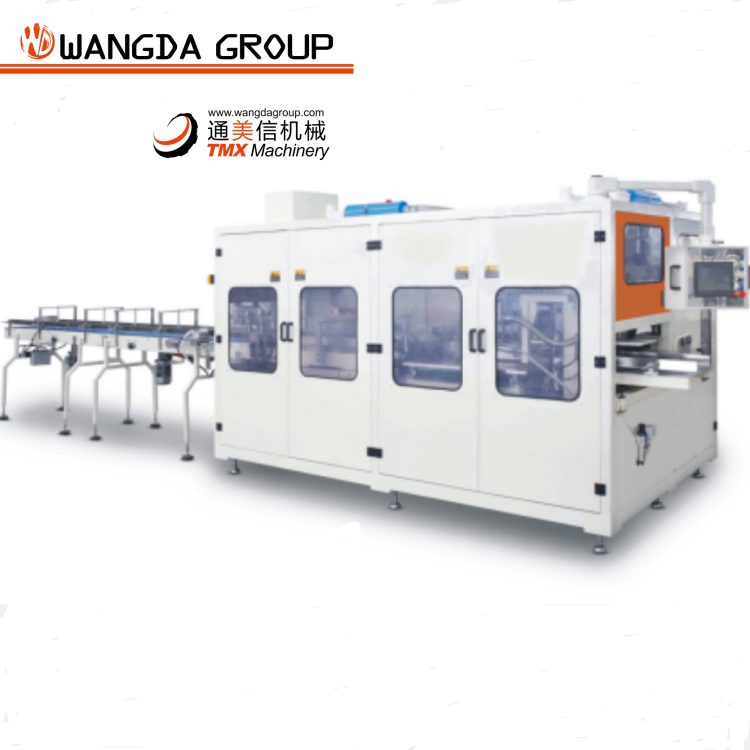
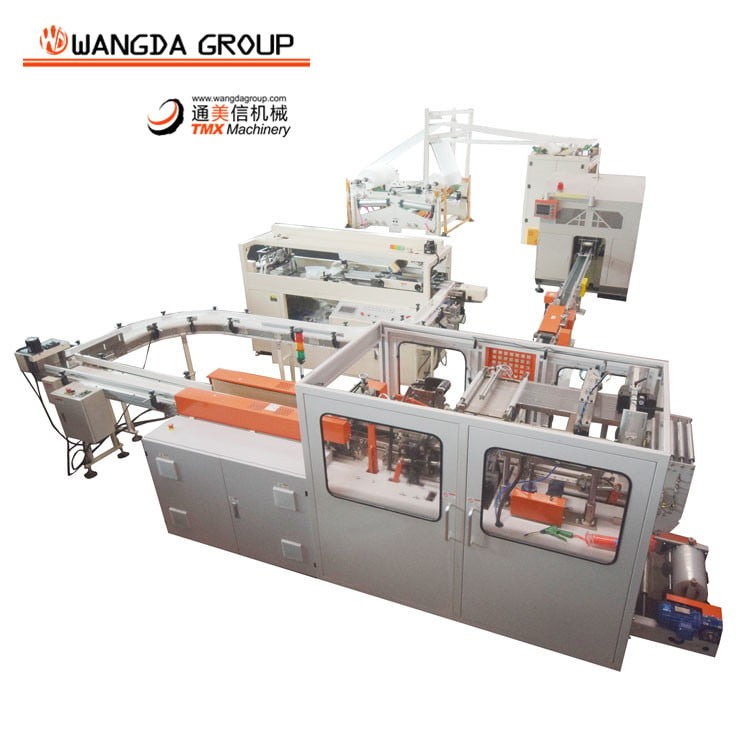
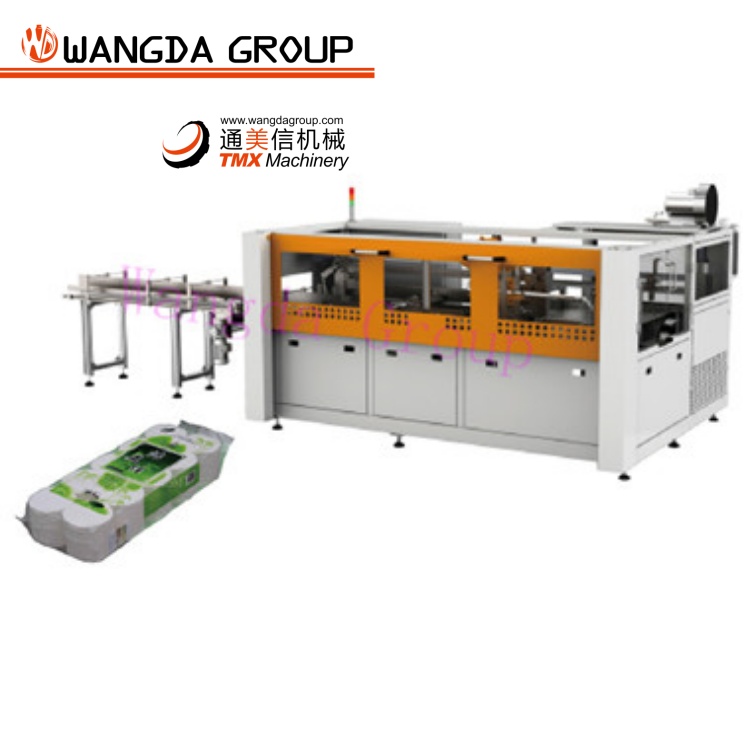
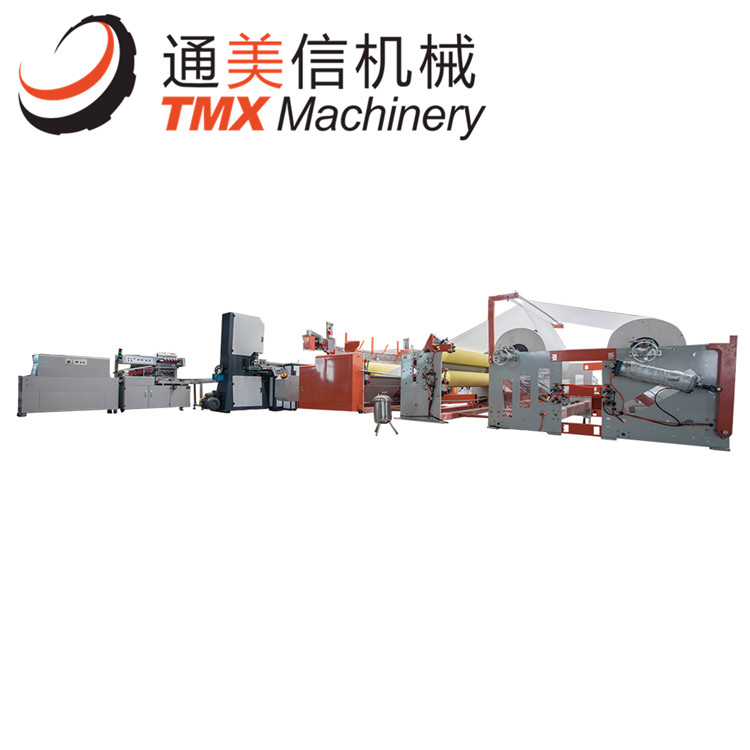
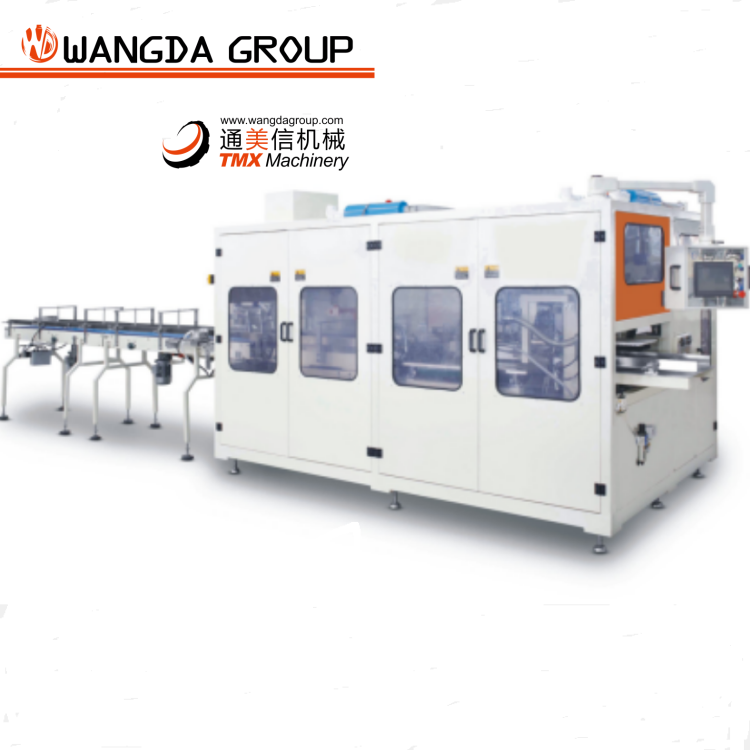
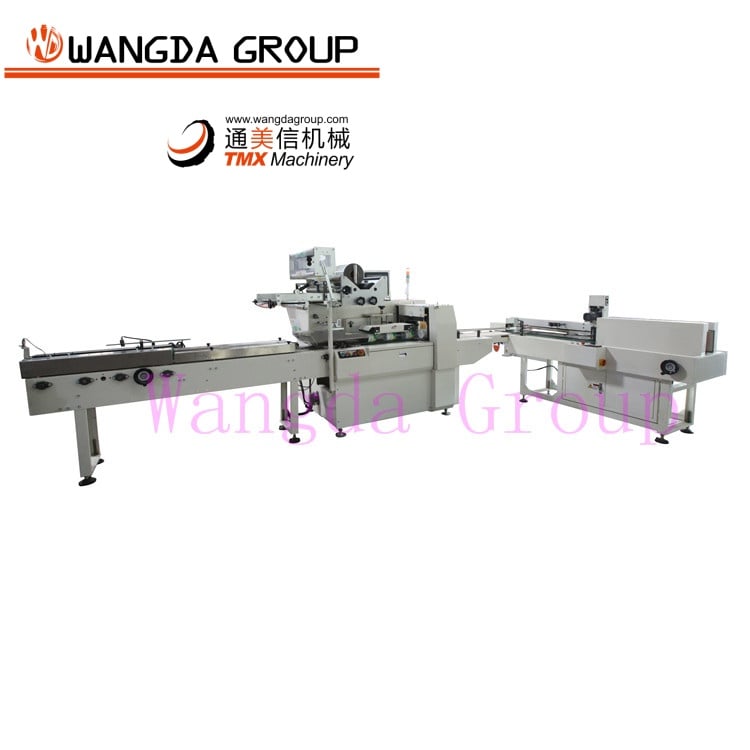
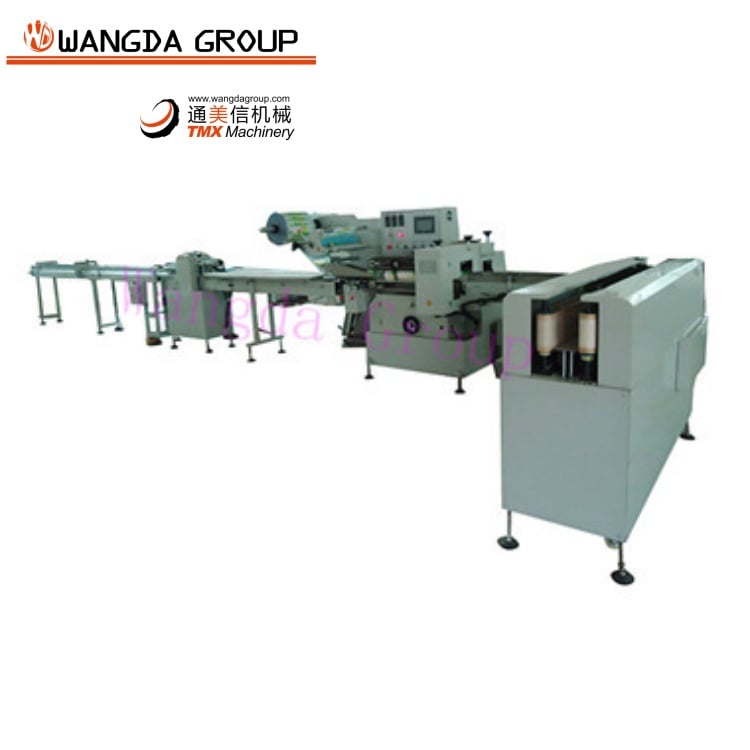
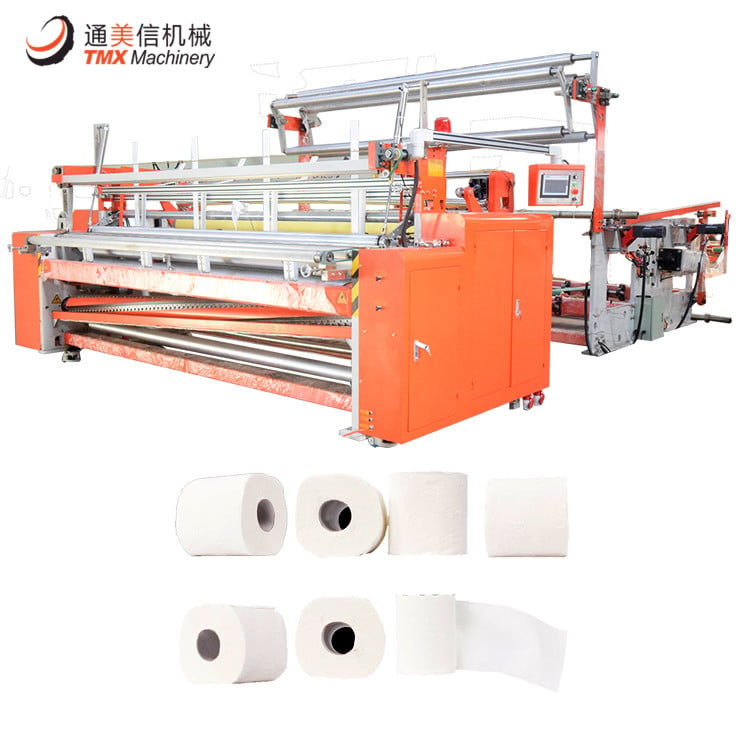
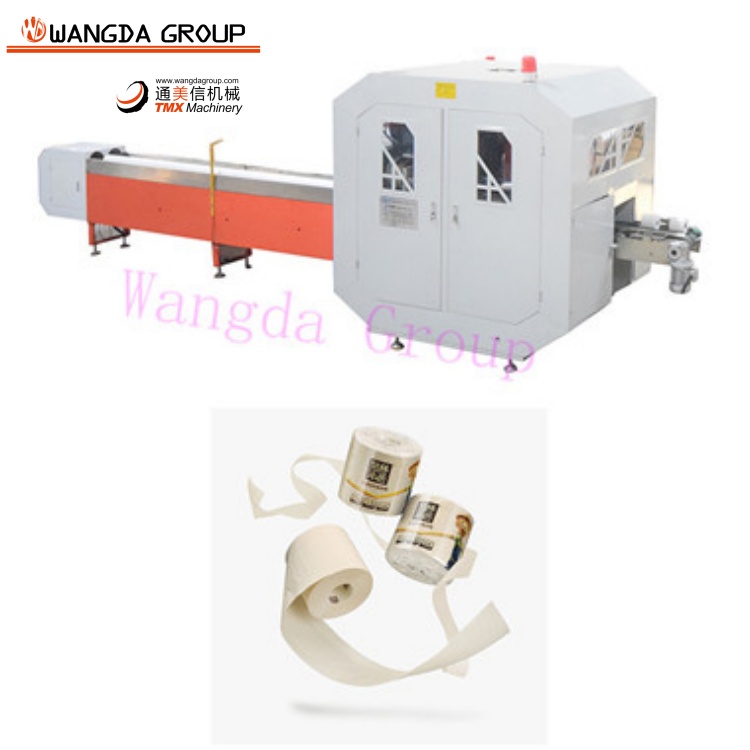
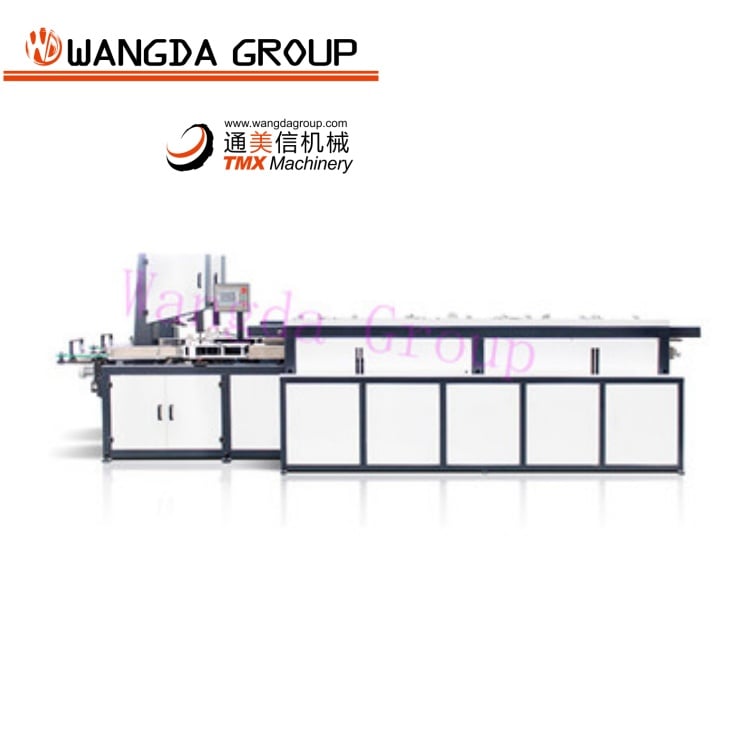
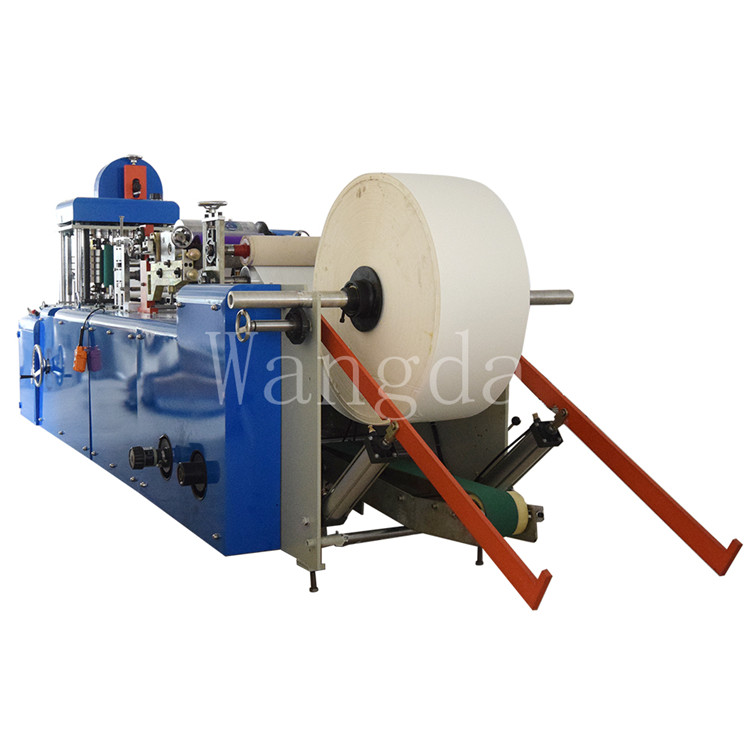
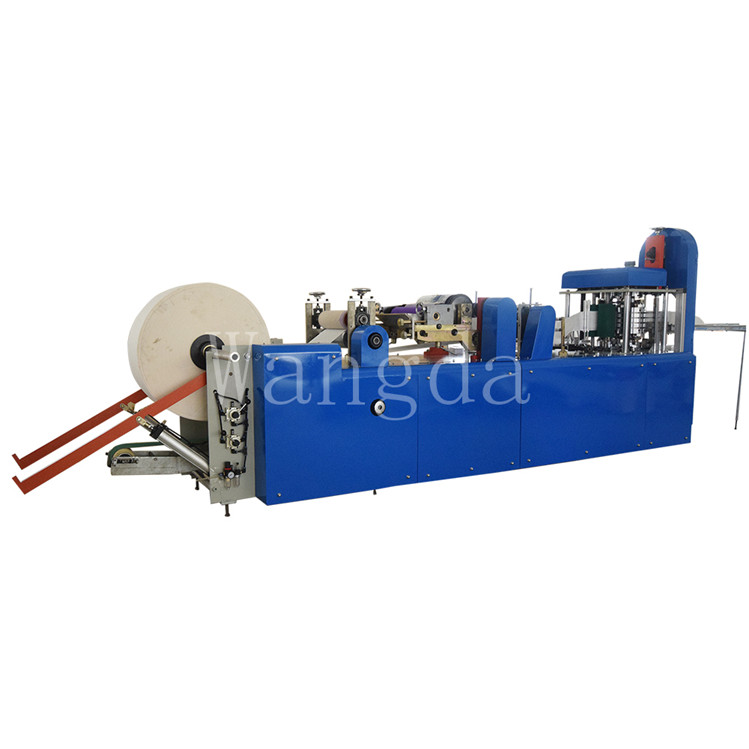
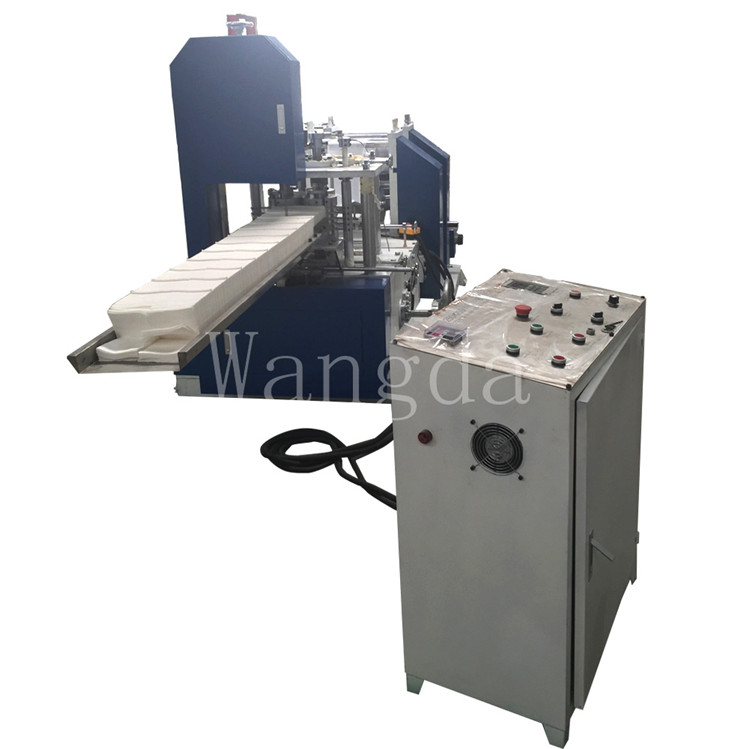
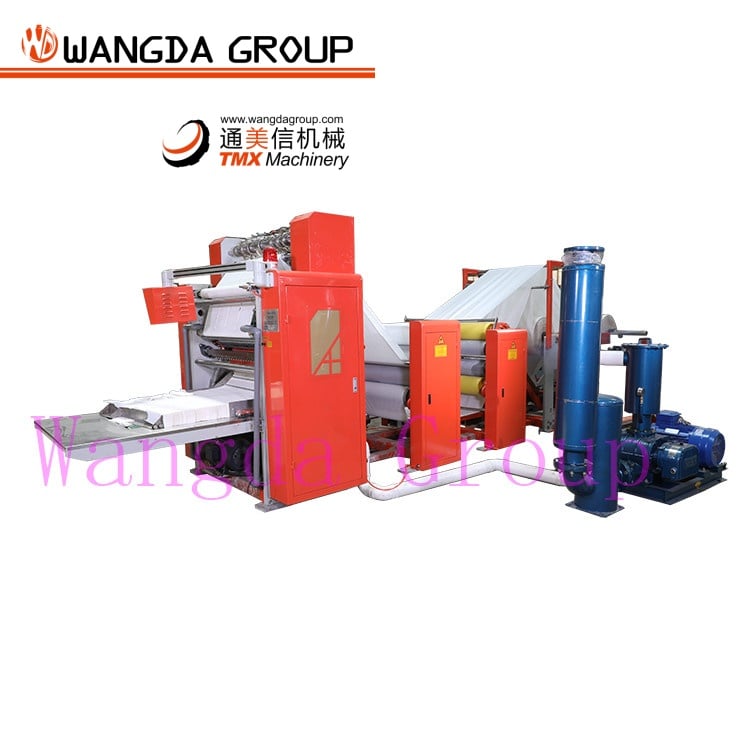
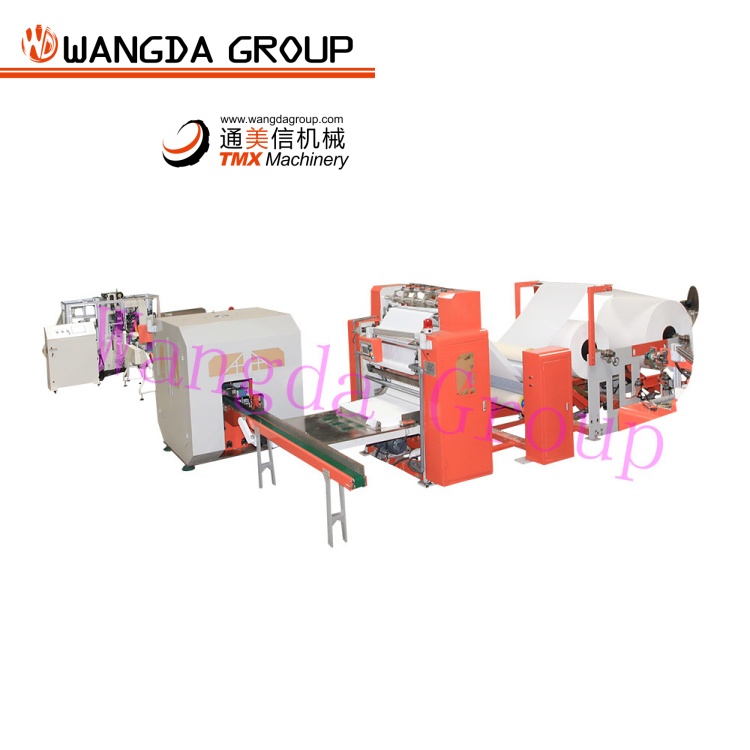
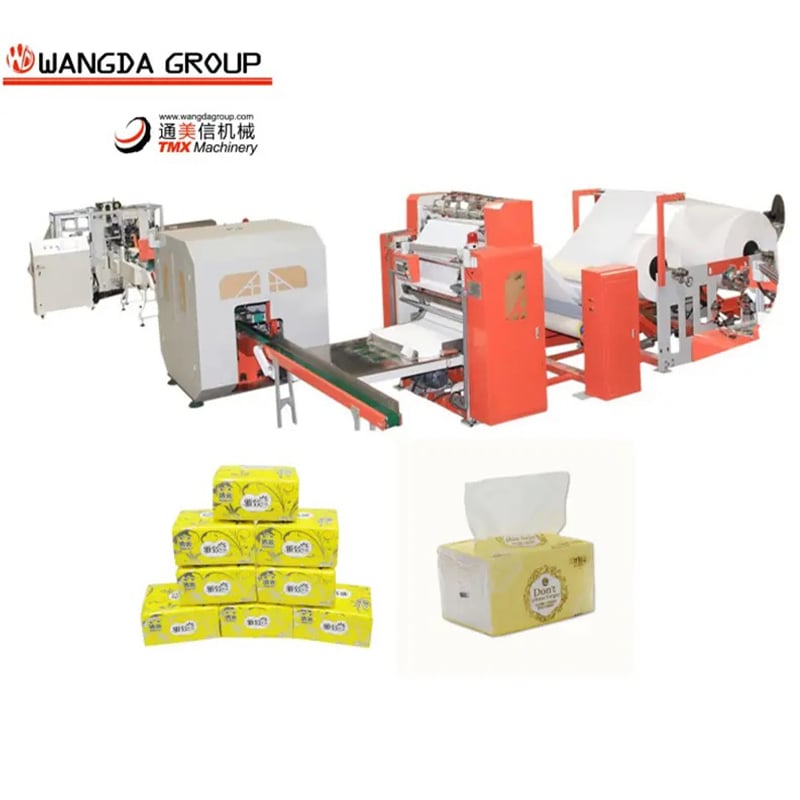
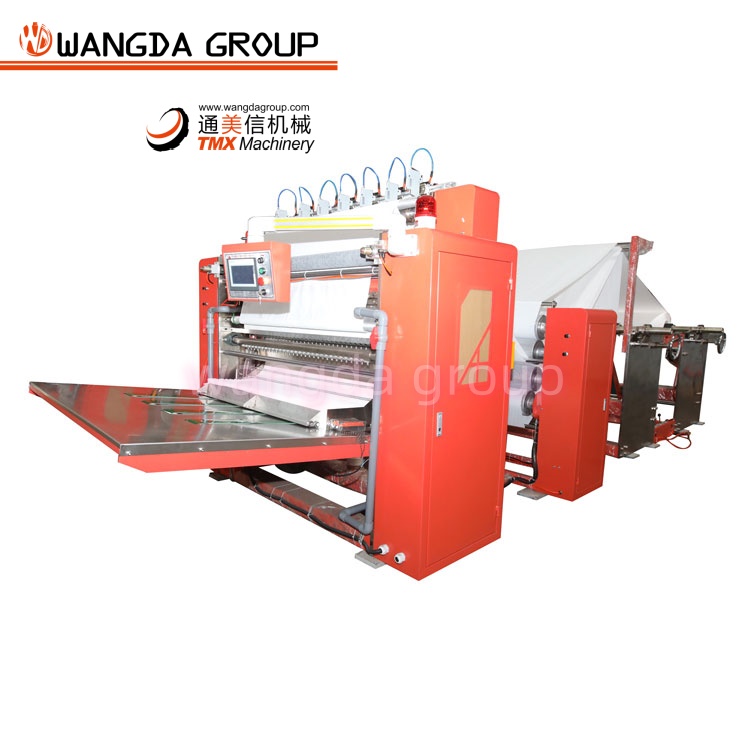
Napkin embossing machines play a crucial role in the production of hygienic paper products, especially in the manufacturing of napkins, tissues, and other disposable items. As a purchasing manager or distributor, understanding the essential specifications, sourcing tips, and installation guidance for these machines can help streamline your procurement process and ensure you select a reliable piece of equipment. This article will provide an in-depth exploration of napkin embossing machines, focusing on key specifications, purchasing strategies, installation advice, and their applications in the hygienic product industry
When sourcing a napkin embossing machine or facial tissue v type folding machine with full embossing, certain specifications can significantly impact the machine's performance and suitability for your production needs. Key specifications include
Embossing Patterns and Depth: Different products require specific embossing designs and depths. Ensure the machine can accommodate your desired patterns as this affects the texture and perceived quality of the finished product
Production Speed: Measured in pieces per minute (PPM), the production speed dictates how quickly the machine can produce embossed napkins. Consider your production volume to select a machine that meets your operational demands
Material Compatibility: The type of paper used, whether it's recycled, virgin, or specialized paper for specific applications, affects the embossing process. Ensure the machine can handle the materials you plan to use without compromising quality
Automation Features: Full-servo systems offer higher precision and lower operational costs over time. Evaluate the level of automation that best suits your production line to enhance efficiency
Energy Consumption: Assess the machine’s energy efficiency, as this can significantly impact operational costs. Machines with optimized energy consumption may have higher upfront costs but can save money in the long run
Maintenance Requirements: Understand the machine’s maintenance needs. Machines that require less downtime for maintenance can improve overall productivity
Certification and Compliance: Look for machines that meet international quality standards and certifications relevant to your market to ensure compliance and quality assurance

When purchasing napkin embossing machines in bulk, several strategies can help you secure the best deal while ensuring quality
Request Detailed Quotations: Provide suppliers with comprehensive specifications and requirements to receive accurate quotes. This includes machine specifications, production capacities, and any customization needs
Consider Minimum Order Quantities (MOQ): Understand the MOQ set by suppliers, as this can influence your purchasing strategy. If you need fewer machines, inquire if the supplier can accommodate smaller orders without significant price increases
Evaluate Supplier Reputation: Research suppliers’ histories and customer reviews. A supplier with a strong reputation for quality and reliability can provide peace of mind regarding your investment
Negotiate Terms: Don’t hesitate to negotiate pricing, payment terms, and delivery schedules. Establishing good relationships with suppliers can lead to better terms in future transactions
Assess After-Sales Support: Reliable after-sales support and warranties are crucial. Ensure the supplier offers maintenance services, spare parts availability, and training for your operators

In addition to specifications and supplier reputation, consider the following factors when selecting a napkin embossing machine or china embossing facial tissue paper processing machine
Customization Options: Determine if the machine can be customized to fit your specific production needs, including special embossing patterns or sizes. Customization can enhance product differentiation in the market
Production Capacity: Ensure the machine's capacity aligns with your production volume. A machine with a production capacity that exceeds your needs may lead to unnecessary costs, while one that falls short may hinder operations
User-Friendly Interface: A machine with an intuitive control panel can ease operation for your staff, reducing training time and operational errors
Quality Control Features: Machines equipped with built-in quality monitoring systems can help maintain production standards and reduce waste
Installation and Space Requirements: Ensure you have the necessary space for installation and operation. Understand the machine's footprint and any additional space needed for maintenance access

Proper installation of your napkin embossing machine is critical for optimal performance. Follow these guidelines
Site Preparation: Ensure the installation site meets the machine’s requirements, including electrical and plumbing specifications. Adequate ventilation and space for operation and maintenance are also crucial
Professional Installation: Consider hiring a professional technician for installation. They can ensure the machine is set up according to manufacturer specifications and local safety regulations
Calibration and Testing: Once installed, calibrate the machine according to the specifications of the materials you will be using. Conduct trial runs to test performance and make necessary adjustments
Training for Operators: Provide thorough training for operators on the machine's control systems, maintenance, and emergency procedures. Well-trained operators can minimize operational errors and enhance productivity
Wangda has over 20 years of manufacturing tissues machines. We pay close attention to the quality of machines, their function and pre and post sales service. We have sold machines in more than 100 countries, which has won us many repeat orders and good reviews from our clients. Wangda has our own R and D departments. Our machines are based on advanced Germany Japanese, Japan and Italian technology and is keeping updated day by day. Our machines have been certified to ISO9002, Tissue paper making machine, BV and others certifications. We offer turnkey solutions that span from A to Z Not just machines.
We've worked with many clients, both Tissue paper machine home and abroad.
Wangda Tissue making machine toilet tissue machines (including cutting and packing), kitchen towel machines (including cutting and packing) facial tissue machines (including cutting and packing) as well as nylon bag facial tissues machines. We also make maxi roll rewinding equipment as well as perforating machines.
Wangda is a highly professional and knowledgeable sales staff and after-sales team, 80% of the team has been in Toilet roll manufacturing machine for more than 10 years in our company in this hygiene-conscious product industry. Our team has a wealth of experience in the daily use of paper tissue machines, related packing machines and many other Hygienic products machines We have a wide range of professional expertise in this field, we are aware of what our customers wants, we worry about what our customers worry about. We not just sell the machines to our clients, but we help our customers earn money through this business of hygienic products, to provide the lifelong after-sale services to our customers at the right time.
Napkin embossing machines or china embossing facial tissue folding machine have diverse applications in the hygienic product industry, including
Production of Disposable Napkins: These machines primarily produce embossed disposable napkins used in restaurants, catering services, and households. The embossing process enhances the strength and aesthetic appeal of the products
Facial Tissues and Handkerchiefs: Embossing adds texture to facial tissues and handkerchiefs, increasing their absorbency and softness. This is particularly important for consumer satisfaction in personal care products
Industrial Applications: Some napkin embossing machines can be adapted for industrial applications, producing wipes used in healthcare and manufacturing settings, where hygiene is critical
Customization for Branding: Businesses often seek customized embossing patterns that align with their branding, allowing for unique product offerings in a competitive market
Understanding these applications can help buyers make informed decisions about the types of machines that will best meet their production needs while maximizing efficiency and product quality