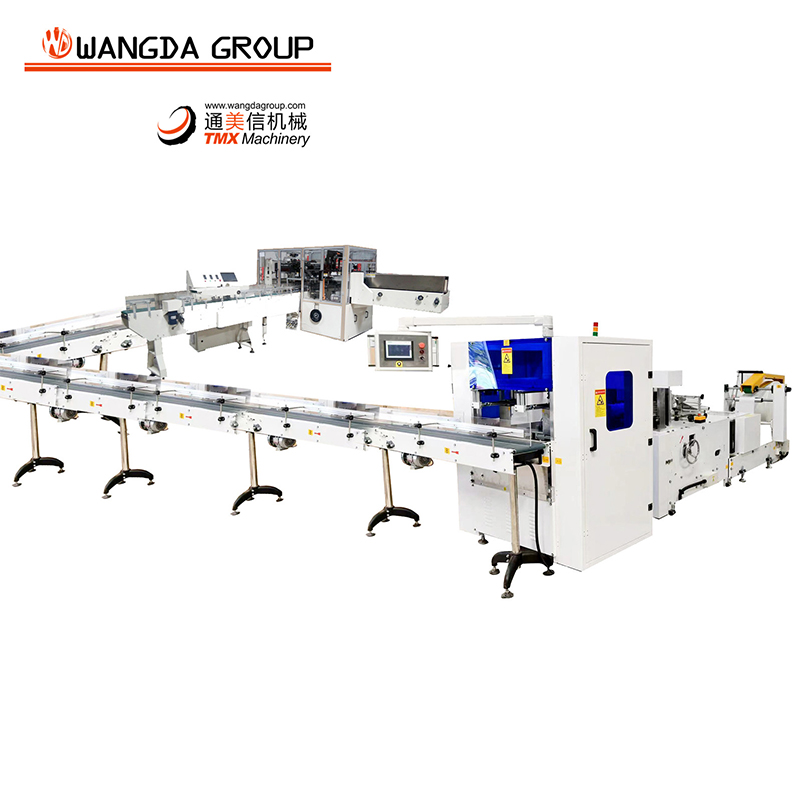
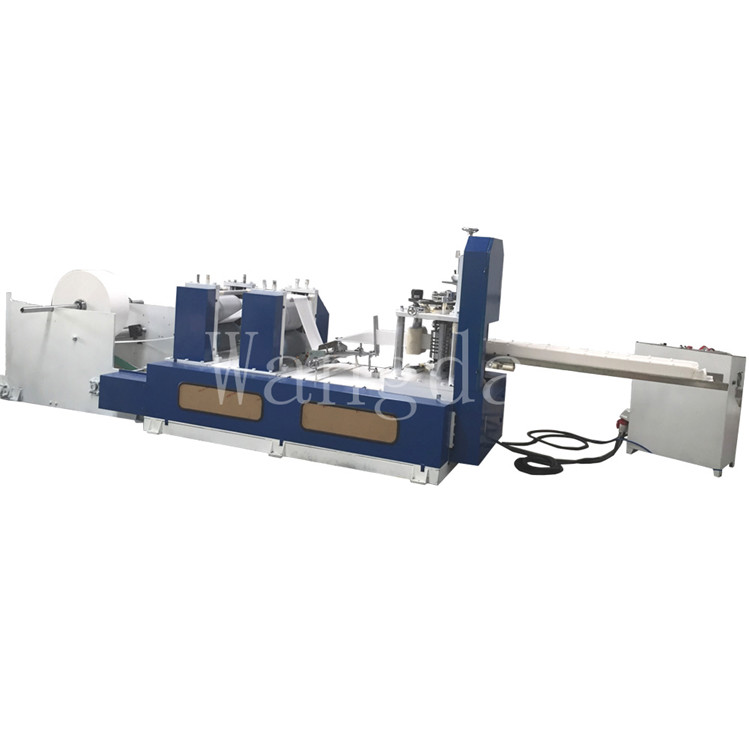
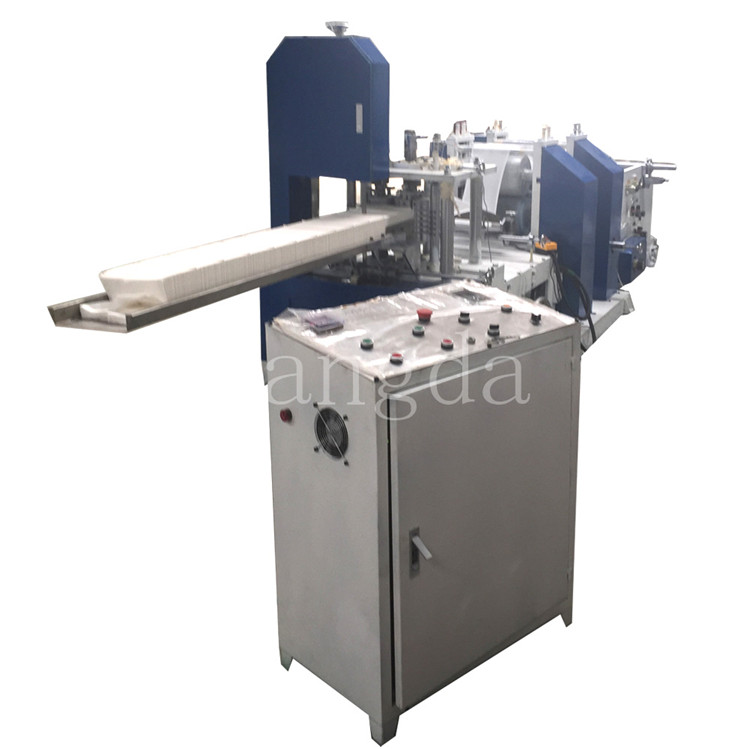
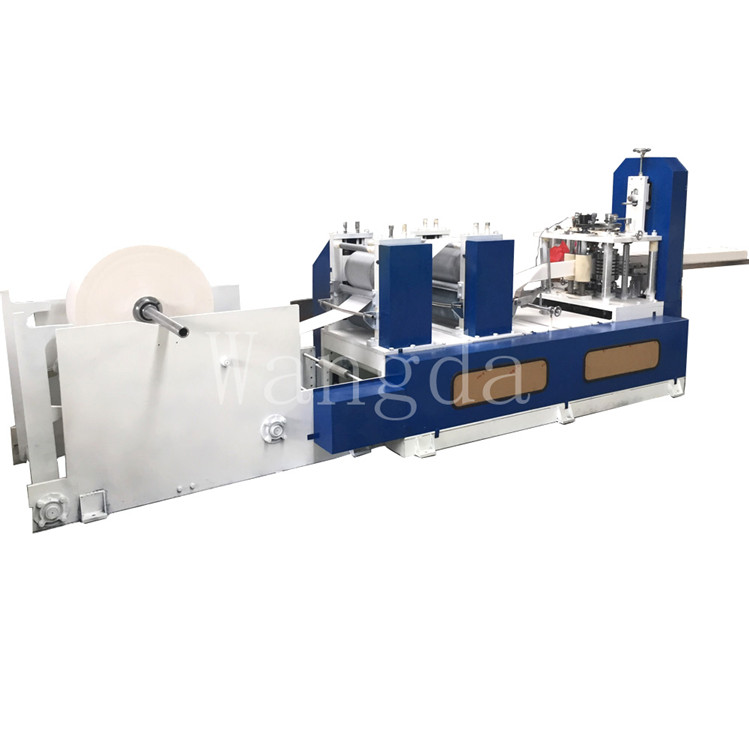
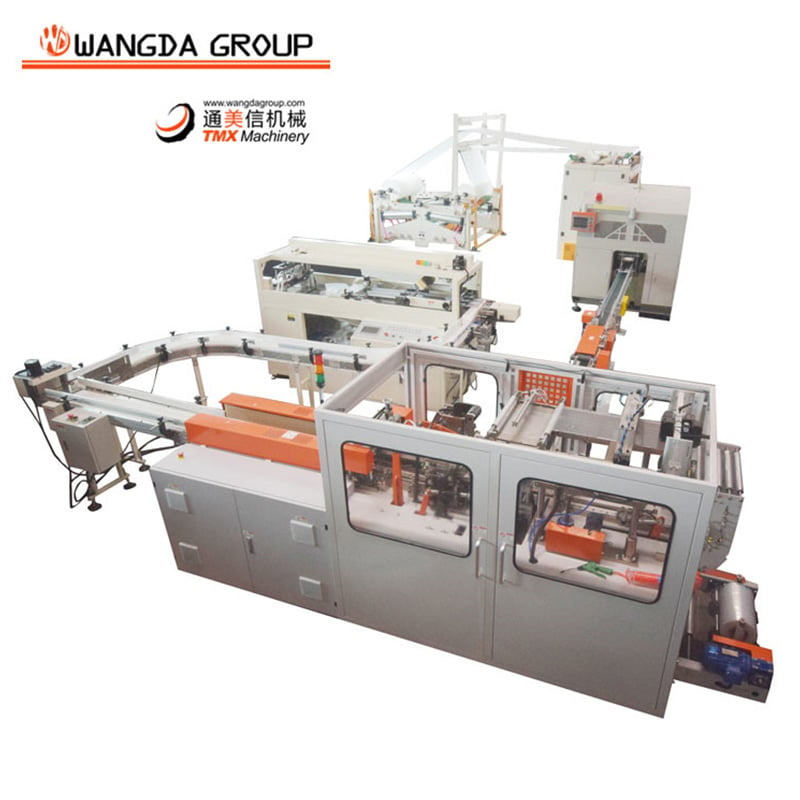
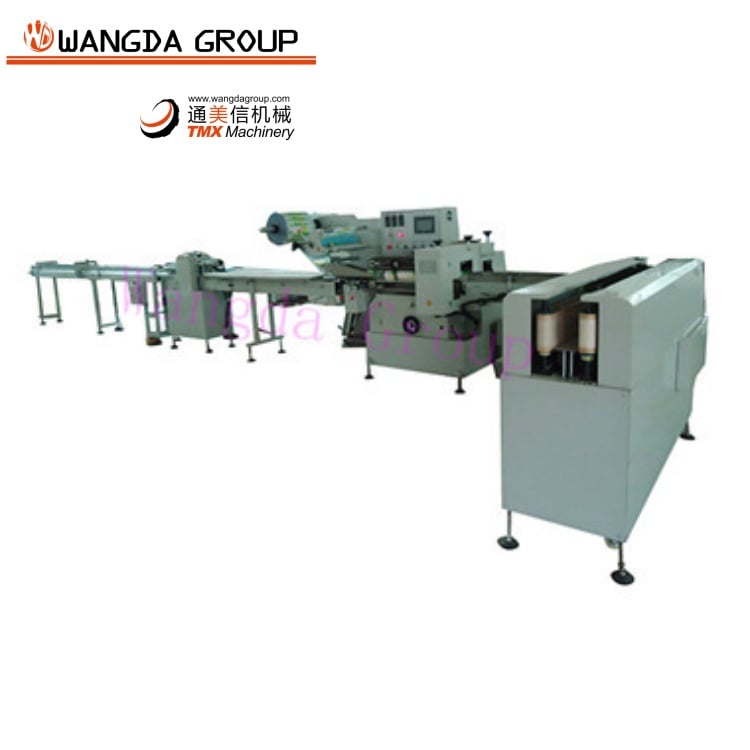
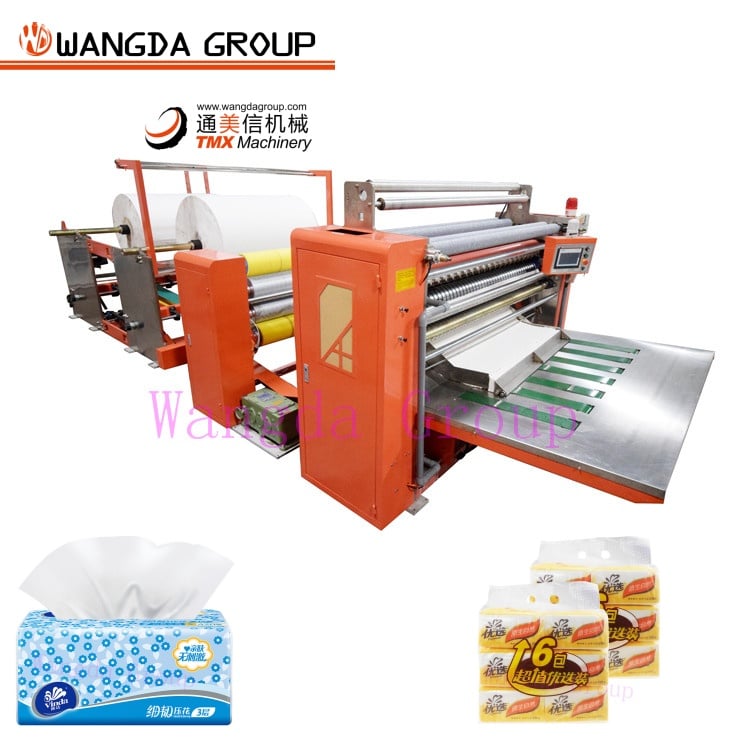
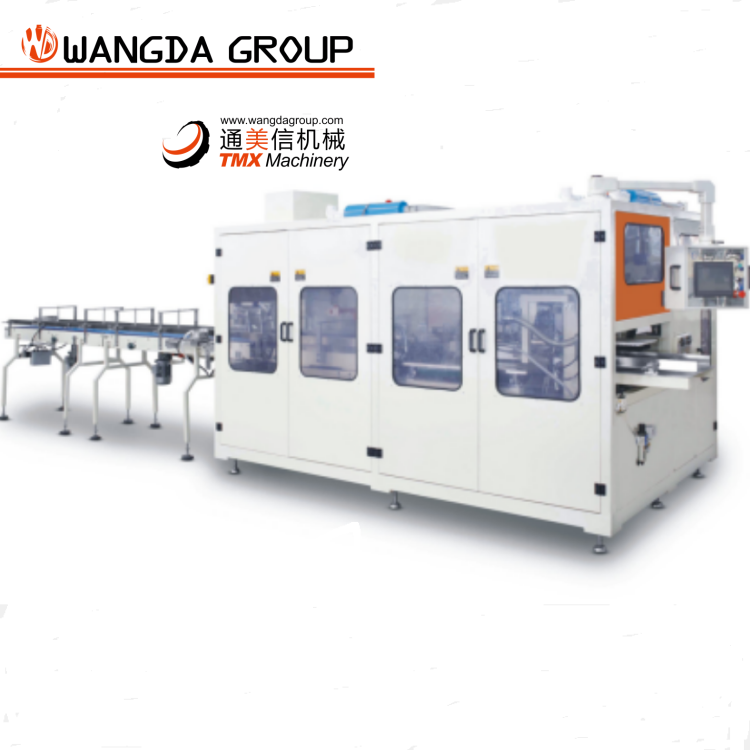
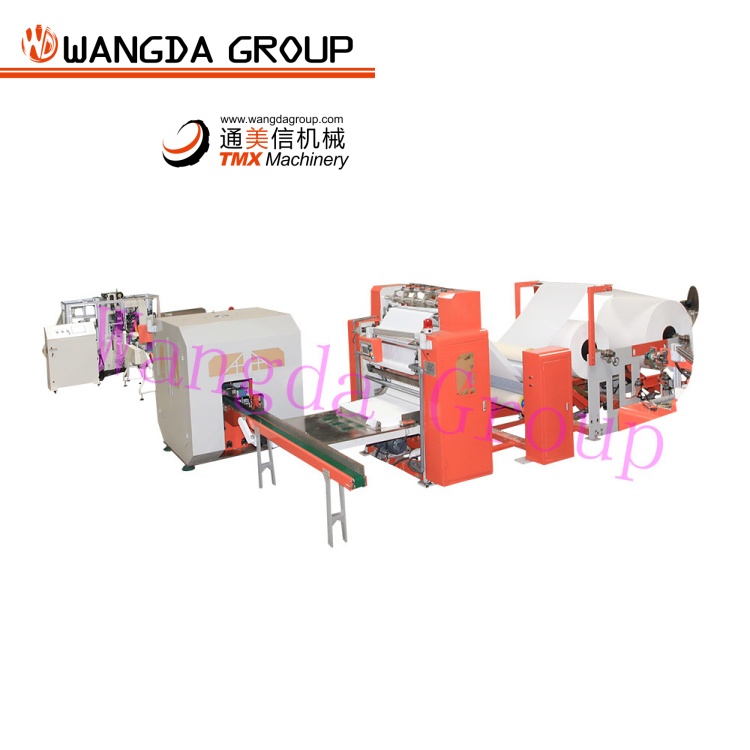
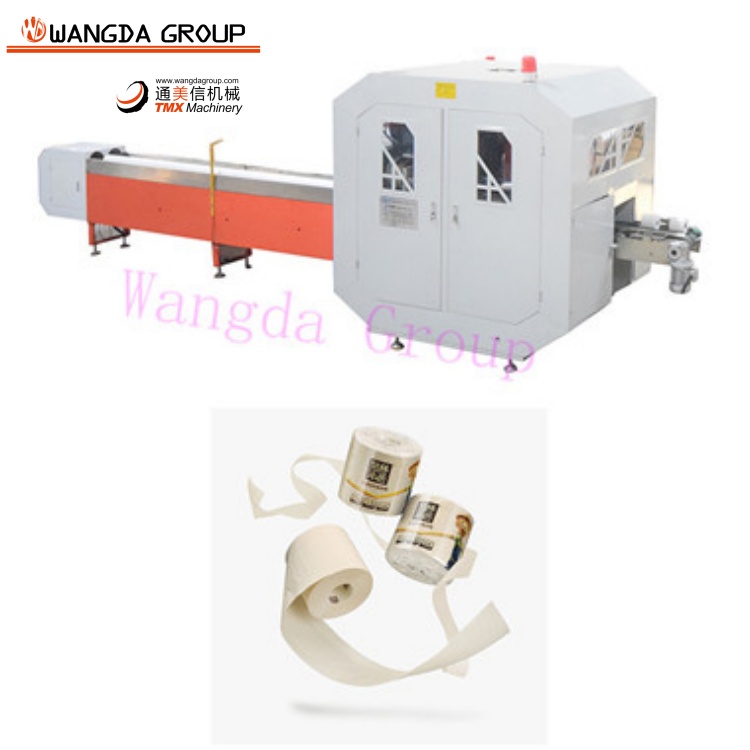
The napkin banane ki machine, or napkin-making machine, is a vital piece of equipment for manufacturers producing hygienic paper products such as napkins. As a B2B buyer, understanding the specifications, quality evaluation, installation, applications, and comparative analysis of these machines is crucial for making informed purchasing decisions. This article will provide you with essential insights and practical guidance to help you navigate the selection and acquisition process effectively.
When evaluating napkin banane ki machines, several key specifications are essential for ensuring efficient production.
Production Capacity: The machine's output capacity, typically measured in napkins per minute, is crucial for meeting demand. Higher capacities are beneficial for high-volume manufacturers.
Material Compatibility: These napkin paper machine should be compatible with various raw materials, including recycled paper and virgin pulp, depending on your production requirements. The choice of material affects the texture and quality of the final product.
Automation Level: Full-servo or semi-automatic systems can enhance production efficiency. Full-servo systems often provide better precision and less manual intervention, leading to reduced labor costs and higher consistency.
Machine Dimensions and Footprint: Consider the available space in your facility. Larger machines may require more room but can offer higher output, while compact designs may be more suitable for smaller operations.
Energy Consumption: Energy efficiency plays a significant role in operational costs. Machines designed to consume less power can lead to significant savings over time.
Quality Certifications: Look for machines certified by recognized quality standards, ensuring that the equipment meets industry benchmarks for safety and performance.

Before committing to a purchase, it's vital to evaluate the quality of napkin banane ki machines thoroughly. Here are some critical aspects to consider:
Material Quality: Assess the materials used in the machine’s construction. Sturdy, corrosion-resistant materials enhance durability and reduce maintenance costs.
Performance Testing: Request samples or demonstrations of the machine’s output. Observing the production process will help you evaluate the quality of the napkins produced, including thickness, softness, and size consistency.
Supplier Reputation: Research the manufacturer’s reputation in the industry. Reviews and testimonials from other B2B buyers can provide insights into the reliability and performance of their machines.
Warranty and Support: Ensure that the manufacturer offers a robust warranty and after-sales support. This is crucial for addressing any potential issues post-purchase.
Customization Options: Determine if the machine can be customized to meet your specific production needs. Custom features may enhance efficiency and output quality.
By focusing on these factors, you can make a more informed decision when selecting a napkin banane ki machine.

Proper installation of your paper napkin banane ki machine is essential for optimal performance. Here are best practices to ensure a successful setup:
Site Preparation: Before installation, ensure that the site is prepared according to the machine's specifications. This includes adequate space, electrical connections, and access to necessary utilities.
Professional Installation: Engage skilled technicians for the installation process. Their expertise can help avoid common pitfalls, such as incorrect alignment or faulty connections.
Testing Before Operation: Once installed, conduct thorough testing to ensure that all components function correctly. This includes checking the feeding system, cutting blades, and packaging sections.
Training for Operators: Provide comprehensive training for your operators. Understanding the machine’s operation will minimize errors and enhance production efficiency.
Regular Maintenance Schedule: Establish a maintenance schedule to keep the machine in optimal working condition. Regular checks can prevent downtime and prolong the machine’s lifespan.
By following these best practices, you can minimize installation-related issues and ensure that the machine operates efficiently from the outset.

Napkin banane ki machines serve various applications in the manufacturing sector. Understanding these applications can help you leverage the machinery effectively:
Food Service Industry: Restaurants, cafes, and catering services frequently use napkins. Machines designed for high-speed production can meet the large volume demands of this sector.
Event Management: Disposable napkins are essential for events. Machines capable of producing customized napkins for specific events (e.g., weddings, corporate functions) can enhance your product offering.
Retail Packaging: Retailers may require napkins with branding or specific designs. Machines that allow for customization can cater to this need, providing a competitive edge.
Hygiene Products: Beyond napkins, these machines can often be adapted to produce other hygienic paper products, making them versatile assets in manufacturing environments.
By understanding these applications, manufacturers can better position themselves to meet market demands and expand their product lines.
Wangda manufactures toilet tissue machines (including cutting and Toilet paper roll making machine) Kitchen towel machines (including cutting and packing) facial tissue machines (including cutting and packing) and nylon bag facial tissues machines. We also produce maxi roll rewinding as well as perforating machines.
Wangda has more than 20 years experience in the Toilet paper roll making machine of all kinds of tissue machines, we pay much attention to the features of the machine and its quality, as well as in addition, after sales and pre-sales services. We've sold machines in over 100 countries. This has resulted in many repeat orders and good reviews from our clients. Wangda has its own R and D departments. Our machine is based on the latest Germany Japanese, Japan and Italian technology, and is upgraded day by day. Our machines have been certified to ISO9002, CE, BV and other certifications. We offer turnkey projects that span from A to Z, not just machines.
Wangda has collaborated with various clients from home and abroad. We have cooperated with big groups from GCC countries such as Fine Hygienic from various nations, Nesto Hypermarket, Top One and Two hygienic producer B and G, the Meghna Groups from Bangladesh. Outnet Group of African countries. And as well, there are big European brands, American brands, Toilet paper machine brands we have cooperated for long years. We have several manufacturing facilities outside of the United States that you can visit and see our products. This is more convenient. Also you are warmly welcome for a visit to our factory and see our products on the spot. We welcome your enquiry anytime and hope to begin our mutual benefit story soon.
The sales and after-sales departments are very experienced and professional. Our team has worked in the field of hygienic products for over 10 years. We are aware of what our customers are looking for and are Tissue paper making machine of what makes them worry. Our clients are not just purchasing machines from us but also helping them earn a profit from the hygiene-related business. We provide our clients with the services after-sales they need.
When comparing different napkin banane ki machines, consider the following factors to determine which one aligns best with your business needs:
Cost vs. Features: Evaluate the price in relation to the features offered. A more expensive machine may provide higher efficiency and lower operational costs in the long run.
Energy Efficiency: Compare the energy consumption ratings of different models. Napkin making machine that consume less power can result in significant cost savings.
After-Sales Support: Consider the level of support provided by the manufacturer. Good after-sales service can minimize downtime and enhance production efficiency.
User Reviews: Look for user reviews and case studies that reflect real-world performance. Insights from other businesses can guide your decision-making process.
Availability of Spare Parts: Ensure that the machine you select has readily available spare parts. This can be crucial for maintenance and minimizing downtime in production.
By systematically comparing these factors, you can identify the most suitable napkin banane ki machine for your operational requirements, ensuring a sound investment that enhances productivity and efficiency.
Selecting the right napkin banane ki machine involves careful consideration of specifications, quality, installation practices, application scenarios, and comparative analysis. By following the guidelines outlined , you can make informed decisions that align with your manufacturing objectives and market demands.