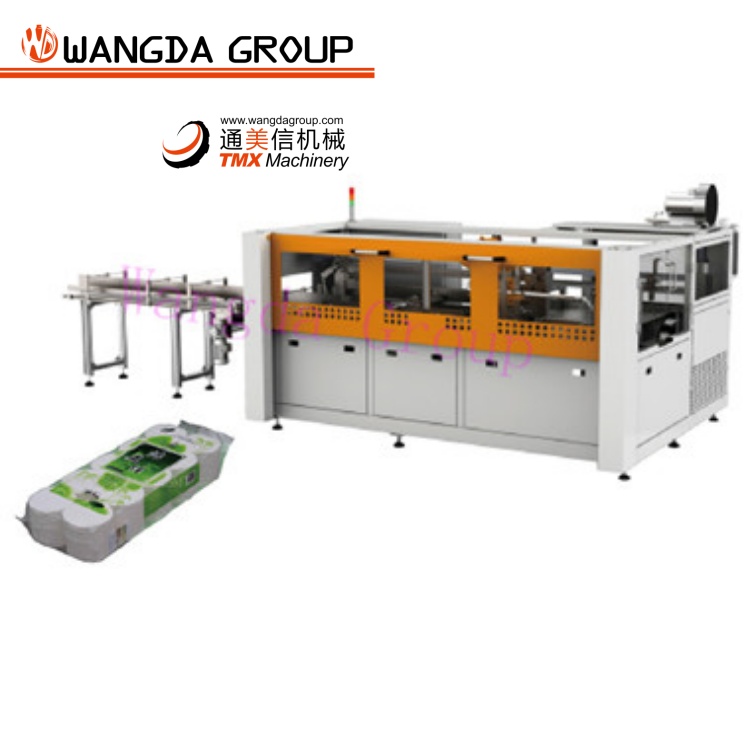
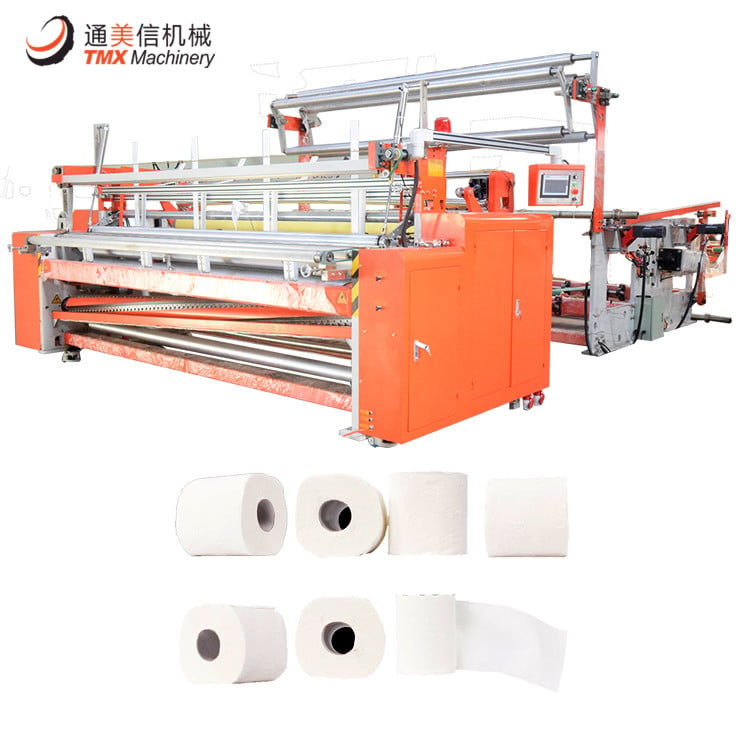
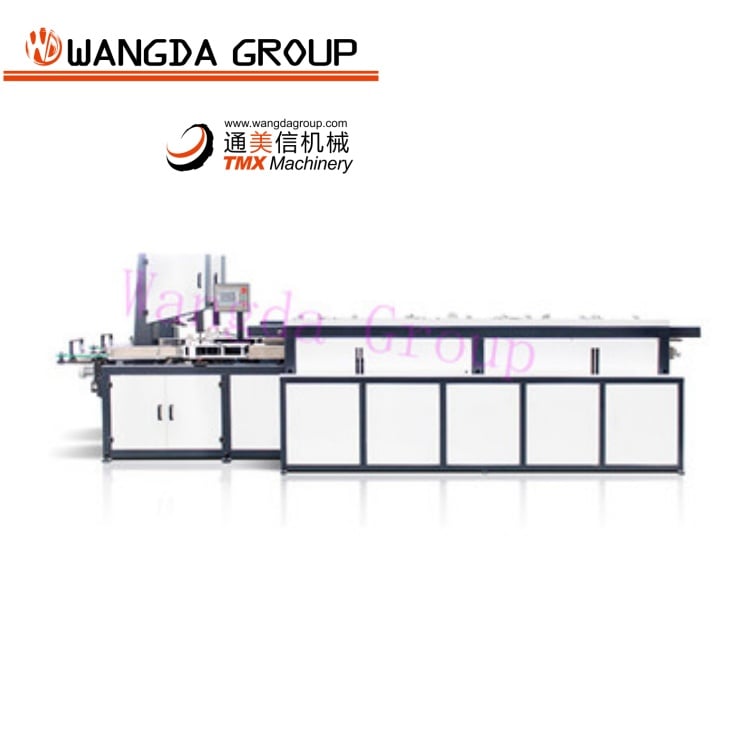
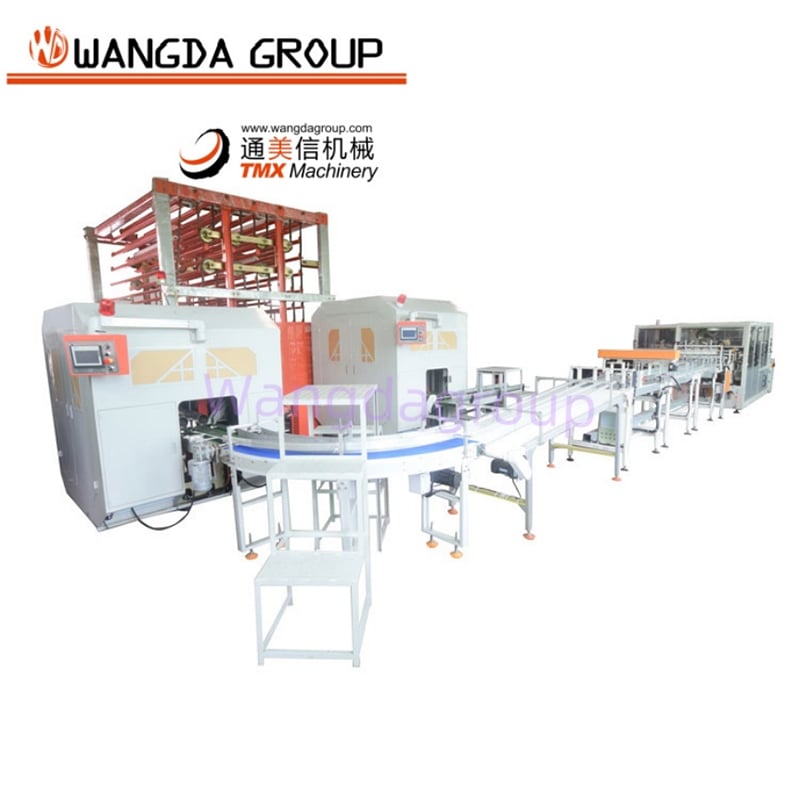
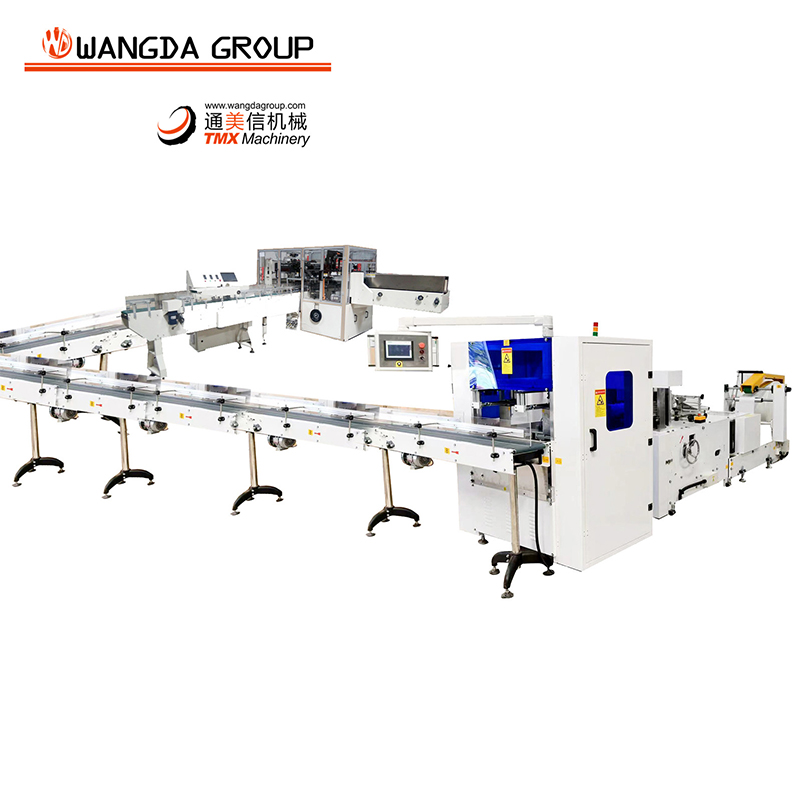
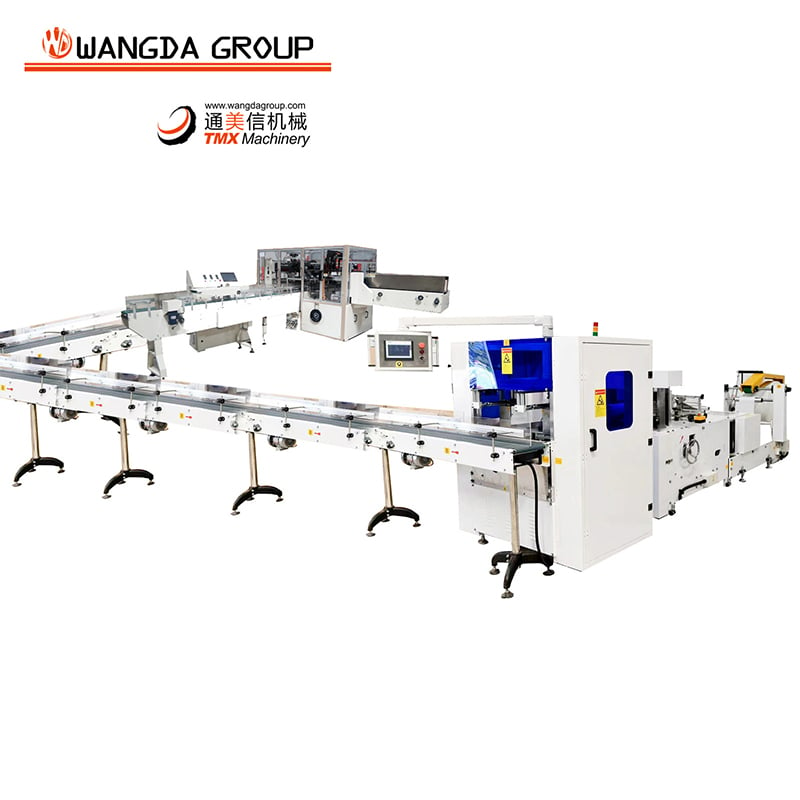
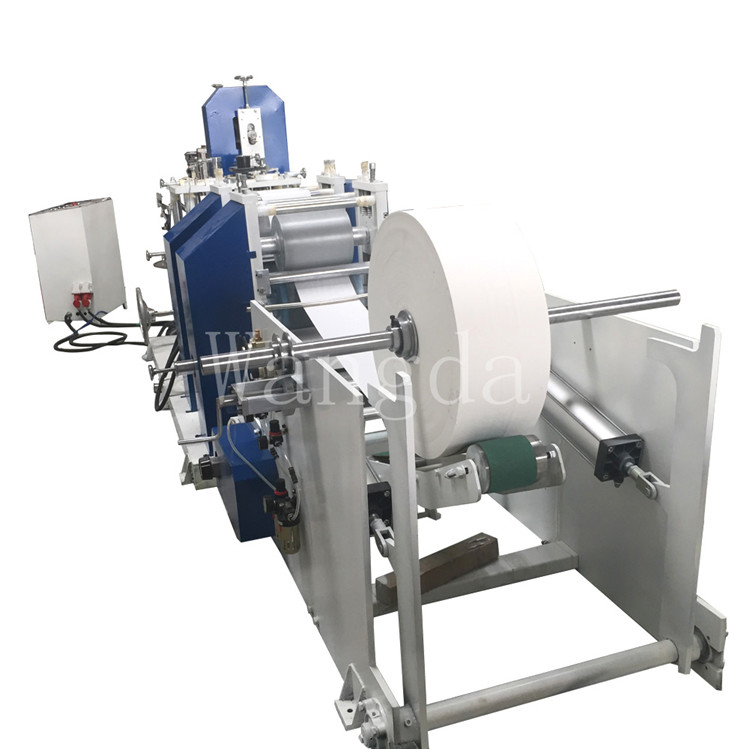
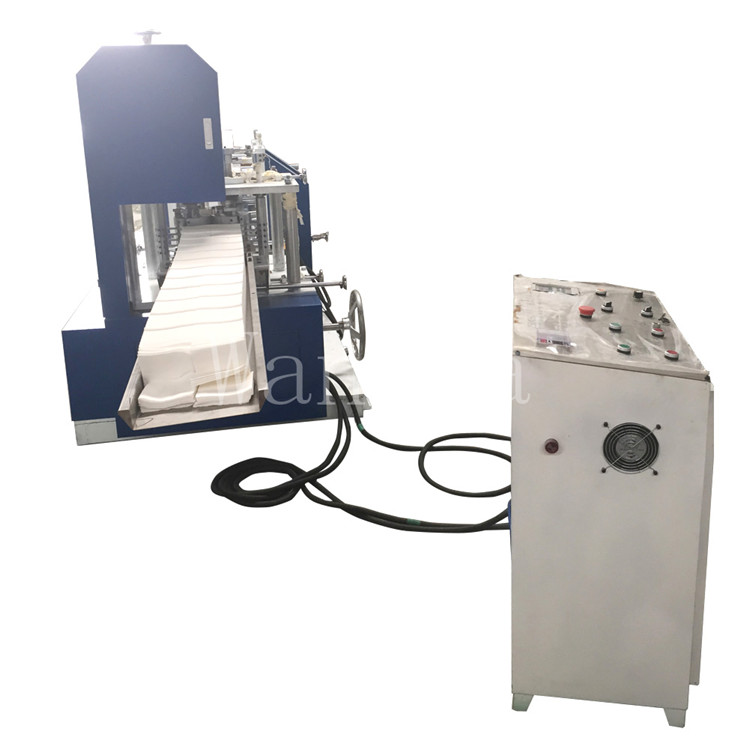
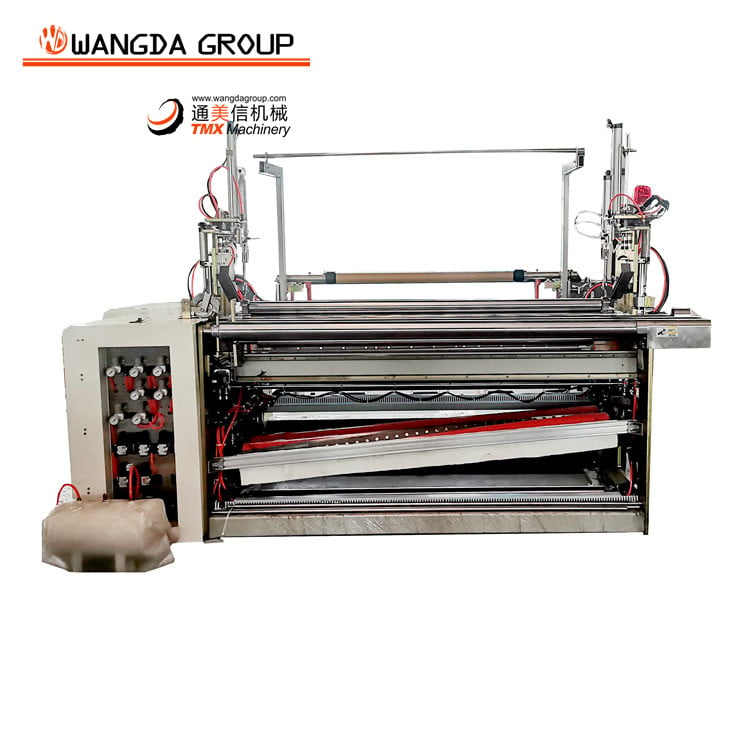
Fold tissue paper machines are essential for manufacturers producing high-quality hygienic paper products. They are designed to create various types of folded tissue papers used in everyday applications, from facial tissues to napkins. As a purchasing manager or distributor in the hygiene product industry, you may have concerns about the tissue paper machine performance, reliability, and cost-effectiveness. This article will guide you through selecting the right fold tissue paper machine, evaluating quality, installation guidance, common issues, and understanding the cost factors involved.
When selecting a fold tissue paper machine, consider your specific production needs, including volume, product variety, and quality standards. Key factors include the machine’s speed, which impacts output capacity, and the types of folds it can produce, such as C-fold, Z-fold, or interfolded designs. Additionally, assess the machine’s compatibility with the raw materials you plan to use, such as the thickness and type of paper.
Customization capabilities are also important. Depending on your target market, you may require a machine that can handle various paper grades or sizes. Look for machines that offer flexibility in settings and configurations, allowing you to adapt to changing market demands without needing substantial re-investment.
Finally, consider your supplier’s reputation and support services. A manufacturer with a strong track record, like Wangda Industrial Co., Limited, which specializes in high-quality, certified machinery, can provide valuable insights and support throughout the purchasing and installation process.

Quality evaluation in fold tissue paper machines involves examining several critical aspects. Start by reviewing the manufacturing process of the machine. High-quality machines typically utilize robust materials and precision engineering to ensure durability and consistent performance. Check for certifications that indicate compliance with international quality standards, which can assure you of the machine’s reliability and safety.
Next, focus on the machine’s specifications. Key specifications include the maximum production speed, the range of paper grammage it can handle, and the folding accuracy. You should also inquire about the machine’s operational efficiency, including energy consumption and waste generation. A machine that operates efficiently not only reduces production costs but also minimizes environmental impact.
Finally, assess the manufacturer’s quality control processes. A reputable manufacturer will conduct rigorous testing and inspections at various stages of production to ensure that the final product meets quality standards. Request documentation of these quality checks to ensure that you are investing in a reliable toilet tissue paper machine.

Proper installation of your fold tissue paper machine is crucial for optimal performance. Begin by reviewing the installation manual provided by the manufacturer. This document typically includes detailed instructions on the machine setup, required tools, and safety precautions.
Before installation, ensure that the designated area meets the machine's space and environmental requirements. This includes adequate ventilation, power supply specifications, and access to water if needed for specific operations. It’s advisable to have a qualified technician perform the installation to avoid potential issues that could arise from improper setup.
After installation, conduct a thorough inspection to confirm that all components are correctly assembled. Run initial tests to verify that the machine operates smoothly and produces the desired product quality. Document any discrepancies or issues during this phase and address them promptly.

Wangda Industrial Fold tissue paper machines may encounter several common issues that can affect production efficiency. One frequent problem is paper jams, which can occur due to improper alignment, incorrect paper size, or the quality of the raw material. Regular maintenance, including cleaning and lubrication of moving parts, can help minimize these occurrences.
Another common issue is inconsistent folding, which may result from mechanical wear or misadjustments. Ensure that operators are trained to regularly check and calibrate the machine settings. Keeping a log of maintenance activities can also help identify patterns that may indicate underlying problems.
Finally, monitor the machine for any unusual noises or vibrations during operation. These can be signs of mechanical failure or misalignment. Addressing these issues quickly can prevent further damage and downtime.
Wangda is a highly professional and knowledgeable sales staff and after-sales team, 80% of the team has been in Toilet tissue machine for more than 10 years in our company in this hygiene-conscious product industry. Our team has a wealth of experience in the daily use of paper tissue machines, related packing machines and many other Hygienic products machines We have a wide range of professional expertise in this field, we are aware of what our customers wants, we worry about what our customers worry about. We not just sell the machines to our clients, but we help our customers earn money through this business of hygienic products, to provide the lifelong after-sale services to our customers at the right time.
Wangda manufactures Toilet roll manufacturing machine tissue machines (including cutting and packing), kitchen towels machines (including cutting and packing), facial tissue machines (including cutting and packing) bags of nylon facial tissues machines. We also manufacture maxi roll rewinding equipment as well as perforating machines.
Wangda has collaborated with various clients from home and abroad. We have cooperated with big groups from GCC countries such as Fine Hygienic from various nations, Nesto Hypermarket, Top One and Two hygienic producer B and G, the Meghna Groups from Bangladesh. Outnet Group of African countries. And as well, there are big European brands, American brands, Toilet paper machine brands we have cooperated for long years. We have several manufacturing facilities outside of the United States that you can visit and see our products. This is more convenient. Also you are warmly welcome for a visit to our factory and see our products on the spot. We welcome your enquiry anytime and hope to begin our mutual benefit story soon.
Wangda has more than 20 years experience in the Toilet paper roll making machine of all kinds of tissue machines, we pay much attention to the features of the machine and its quality, as well as in addition, after sales and pre-sales services. We've sold machines in over 100 countries. This has resulted in many repeat orders and good reviews from our clients. Wangda has its own R and D departments. Our machine is based on the latest Germany Japanese, Japan and Italian technology, and is upgraded day by day. Our machines have been certified to ISO9002, CE, BV and other certifications. We offer turnkey projects that span from A to Z, not just machines.
When considering the investment in a Wangda Industrial fold tissue paper machine, several cost factors come into play. The initial purchase price is just one part of the total cost of ownership. Other factors include installation costs, operator training, and ongoing maintenance expenses.
Energy consumption is another significant cost factor. Machines with higher energy efficiency ratings can save you money in the long run, particularly in high-volume operations. Additionally, consider the cost of raw materials and how the machine’s efficiency may impact your overall production costs.
Finally, factor in potential downtime costs. A reliable facial tissue paper machine with a good support system can minimize production interruptions, while cheaper, less reliable machines may lead to higher long-term costs. Ensuring that your investment aligns with your business goals and production needs will help you make a more informed purchasing decision.
By understanding these aspects, you can make a more informed decision about your investment in a fold tissue paper machine and ensure it meets your operational requirements effectively.