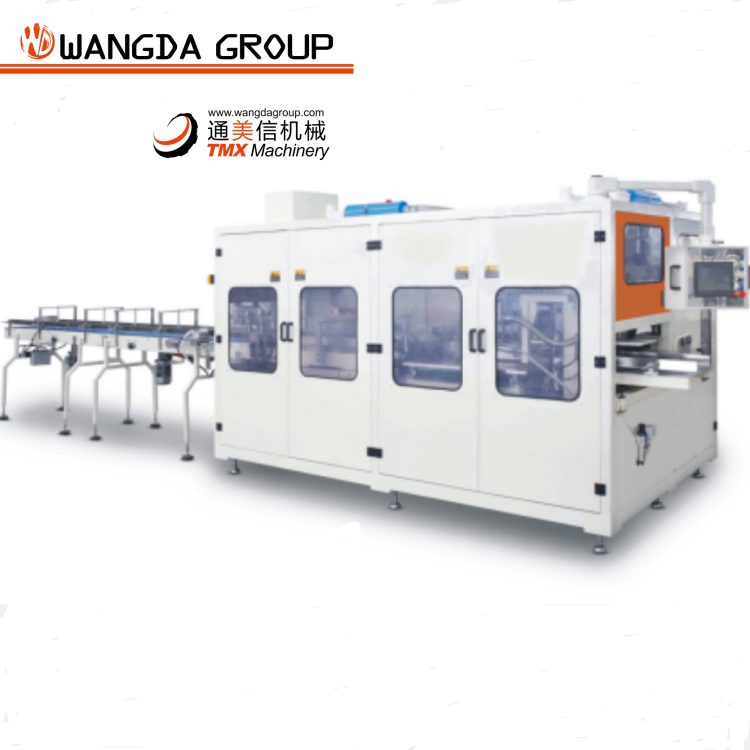
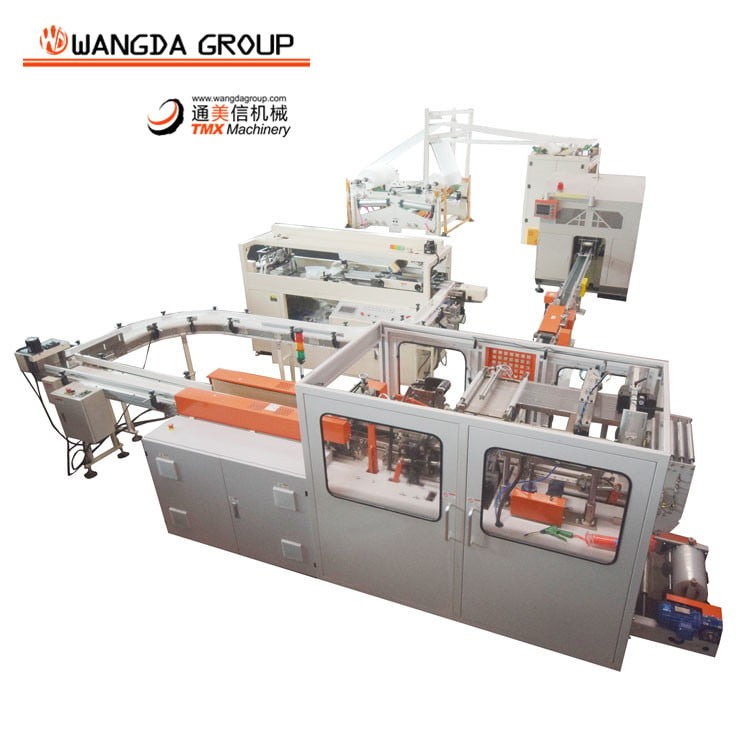
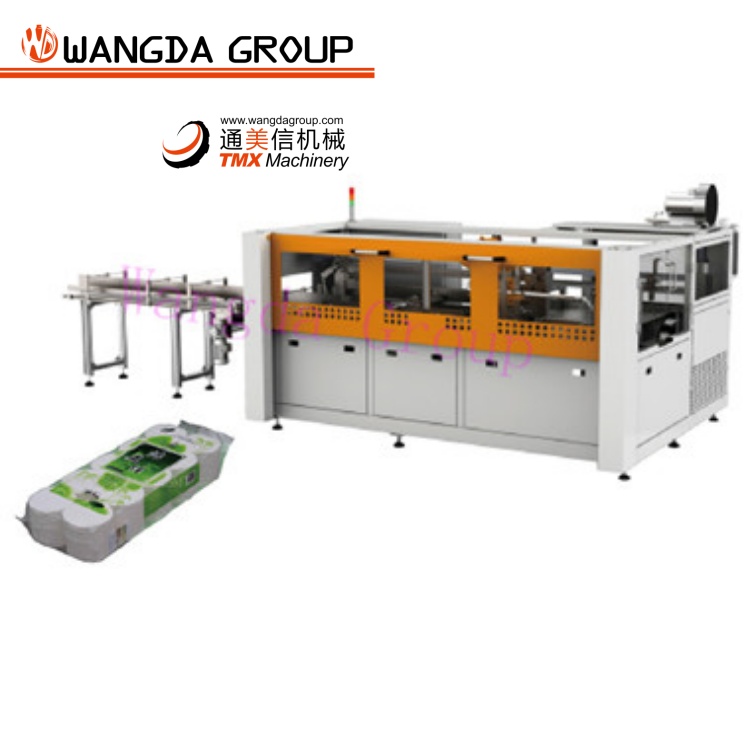
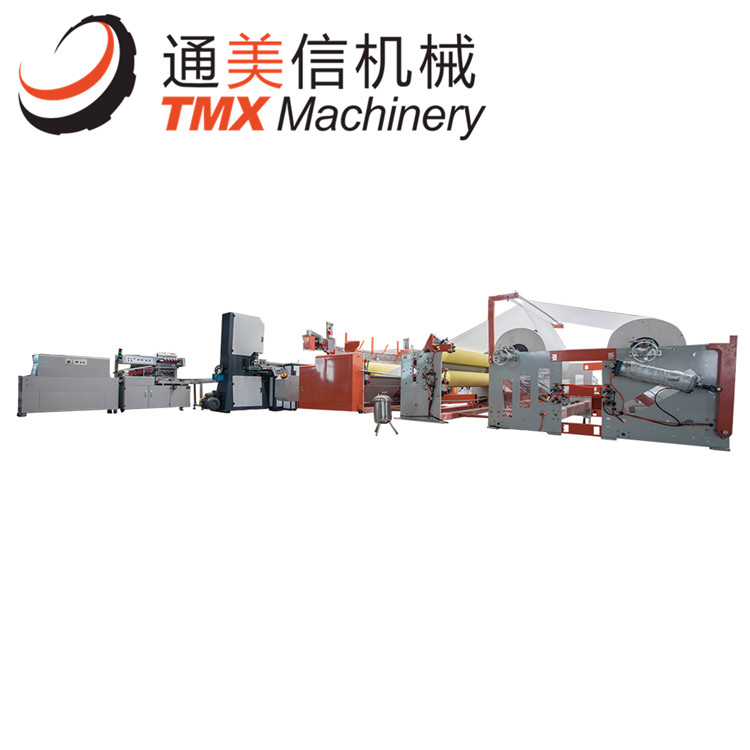
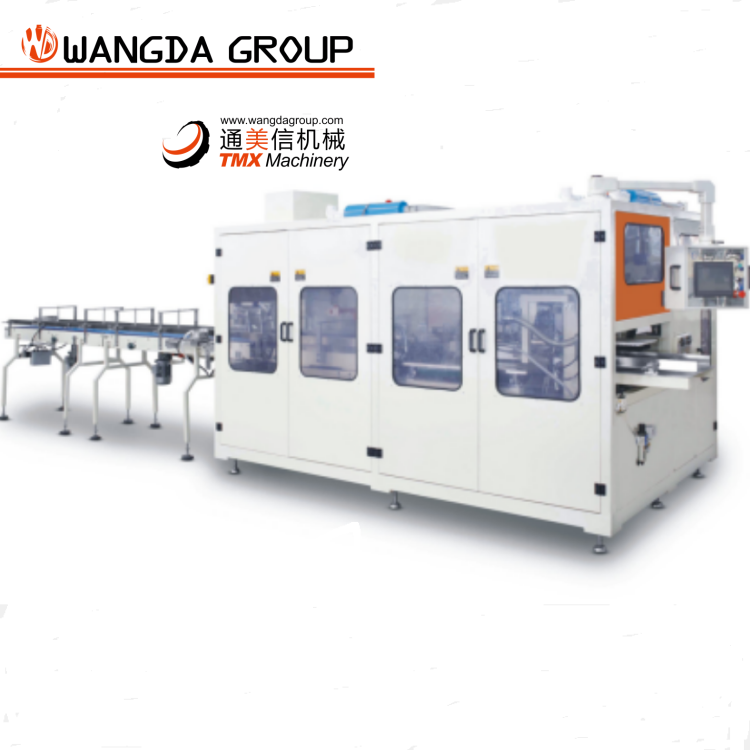
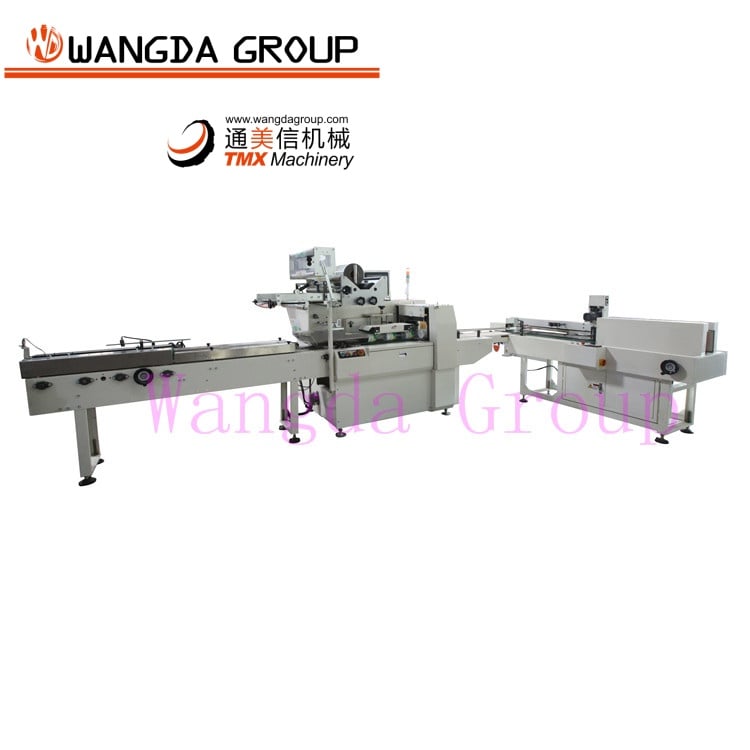
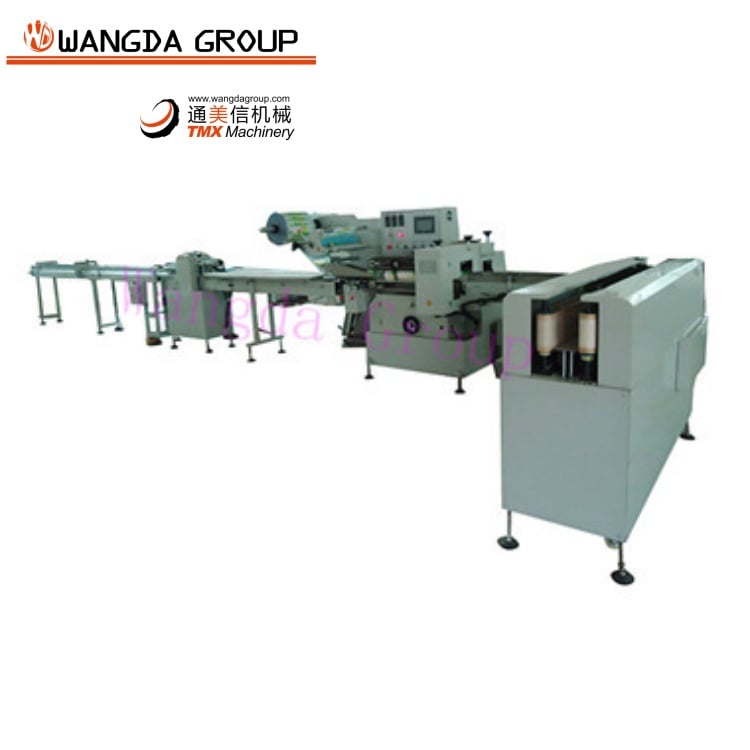
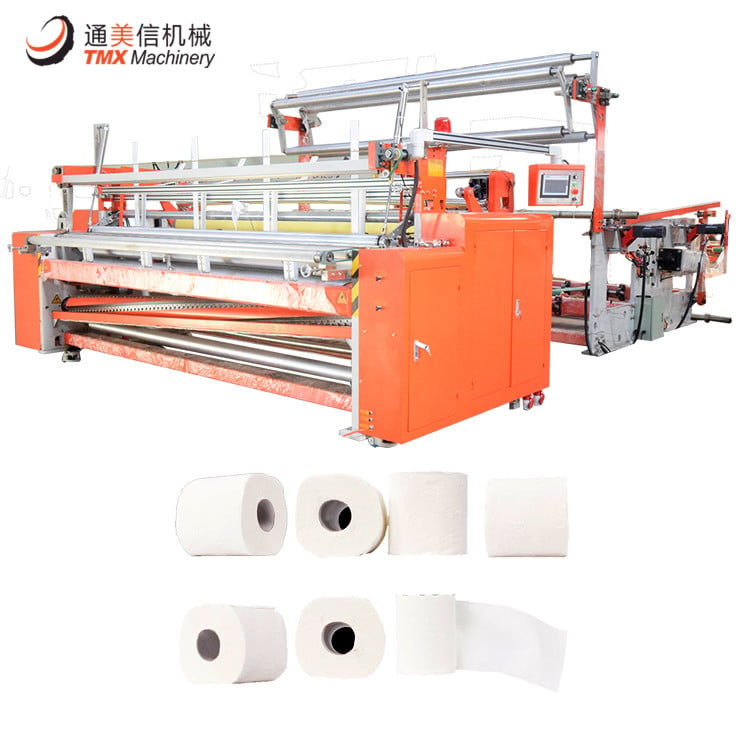
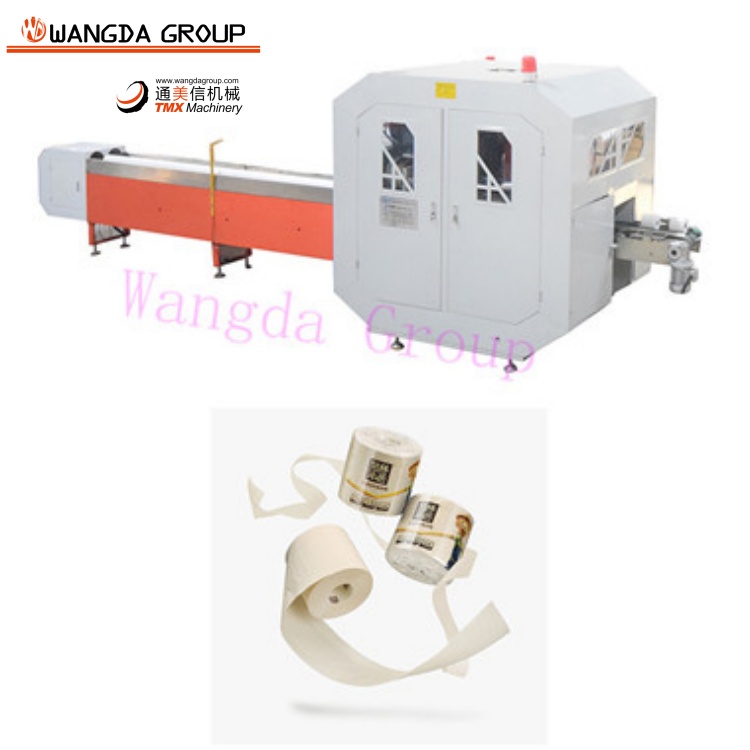
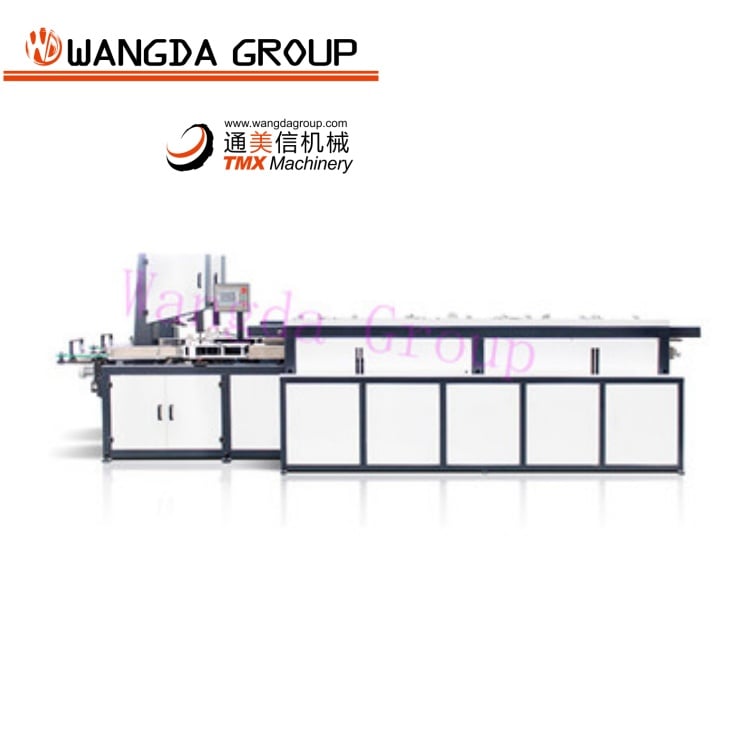
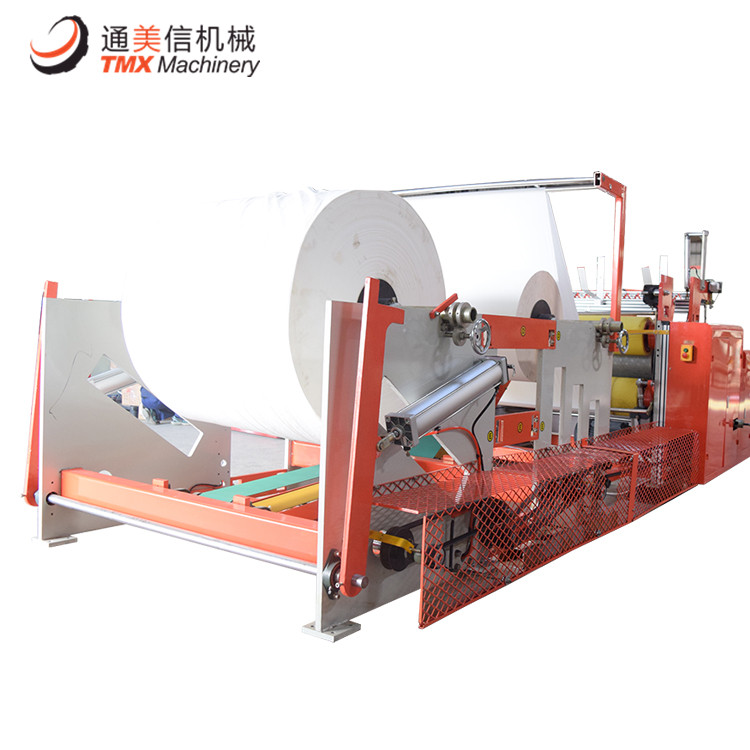
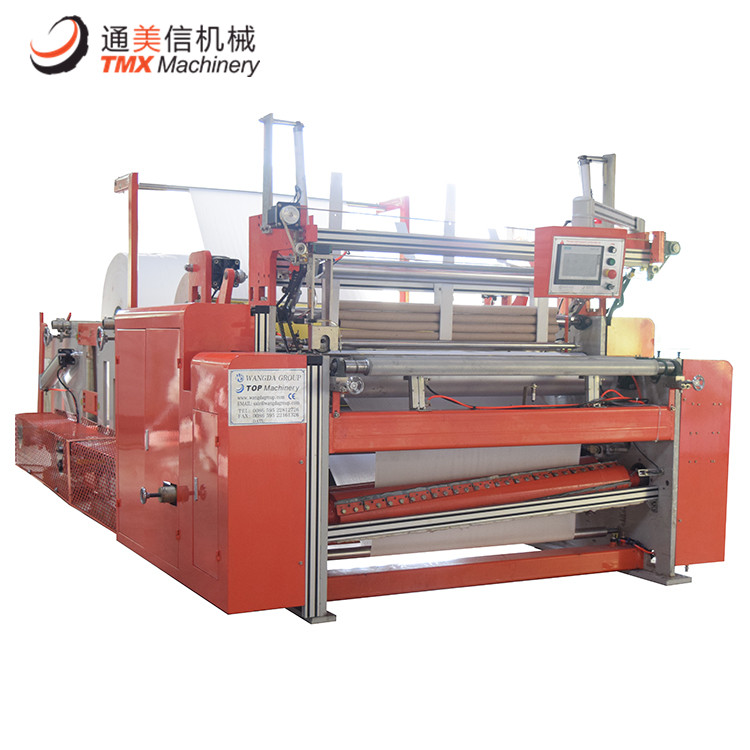
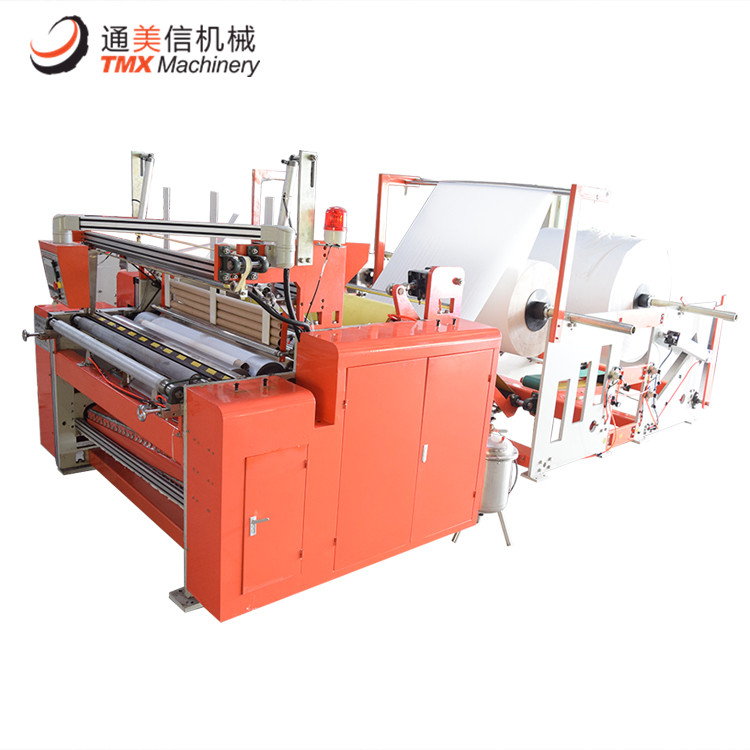
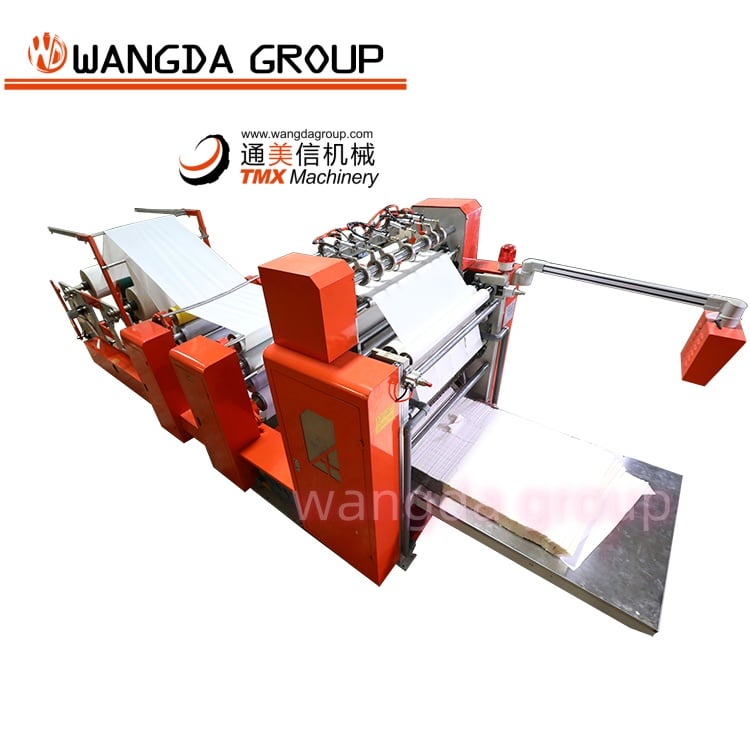
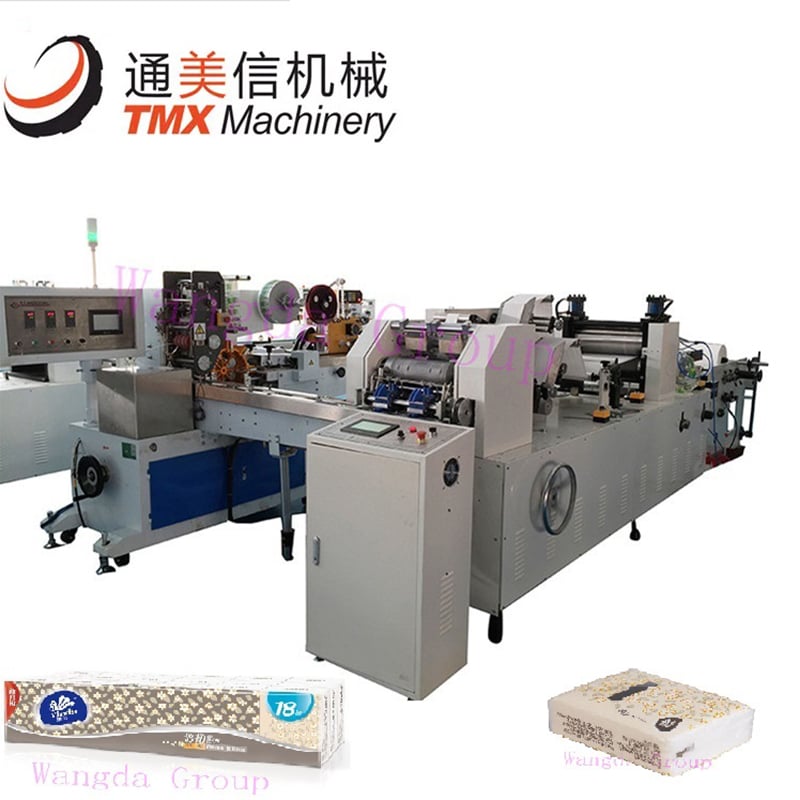
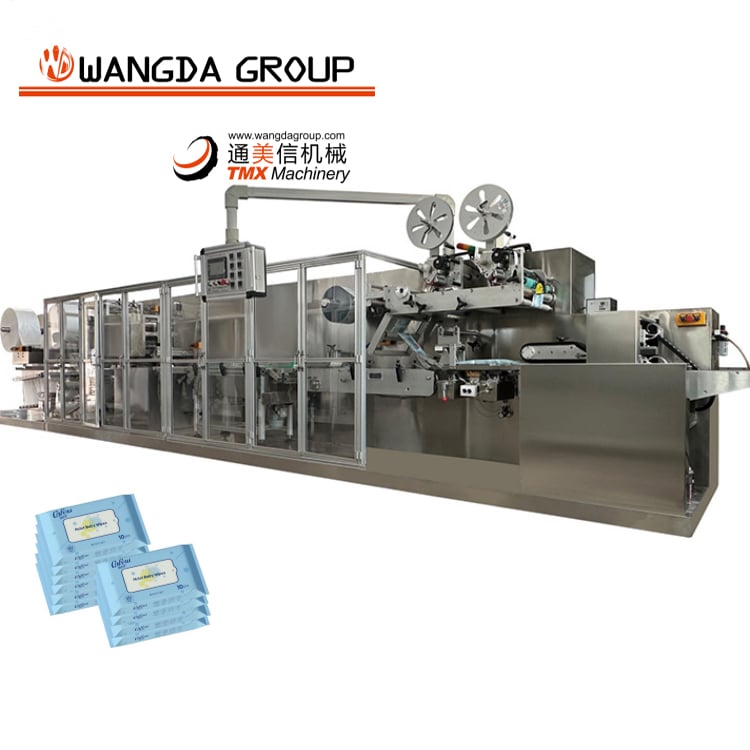
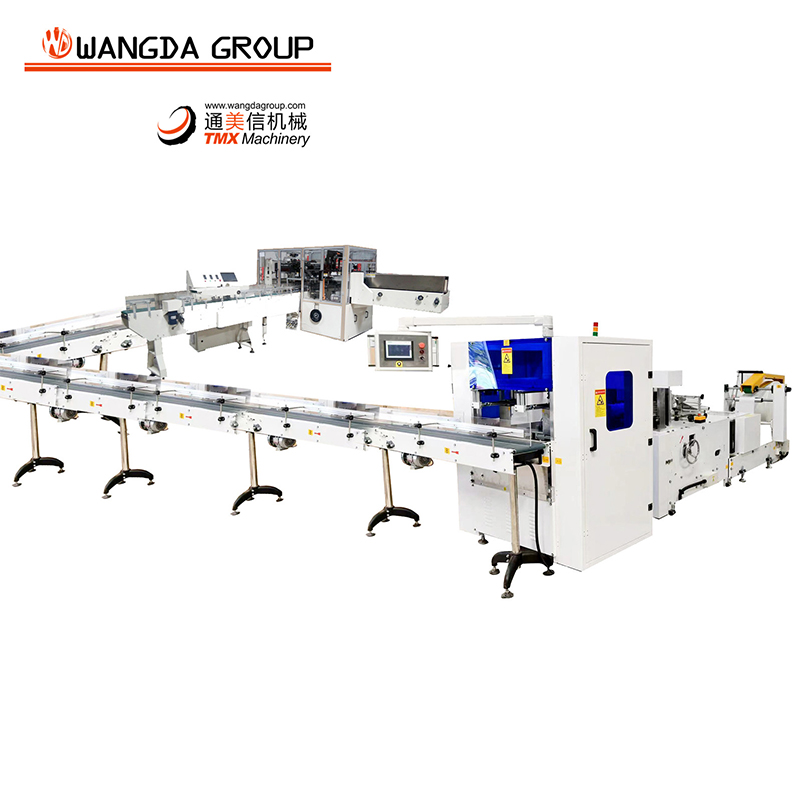
The machine for making toilet roll is an essential piece of equipment in the production of everyday hygiene products. For purchasing managers and other B2B buyers, selecting the right machine involves understanding various specifications, costs, and operational factors. This article will provide insights into key considerations for evaluating toilet roll production equipment, including crucial specifications, cost factors, application uses, common operational issues, and how to compare different models effectively.
When evaluating machines for making toilet rolls, several specifications are critical for ensuring optimal performance and product quality. Key specifications include:
Production Capacity: This refers to the number of rolls produced in a given timeframe. Buyers should align this capacity with their market demand to avoid overproduction or shortages.
Material Compatibility: The machine must be compatible with various paper types, including recycled papers and different grades of tissue. tissue paper machine price affects the final product's quality and cost.
Automation Level: Full-servo production lines offer enhanced precision and reduced labor costs, making them an attractive option for manufacturers looking to optimize operations.
Dimensions and Footprint: Understanding the machine's size is vital, especially for facilities with limited space. It’s essential to consider the layout of the production area when choosing equipment.
Energy Consumption: Efficient machines can significantly reduce operational costs. Buyers should inquire about energy usage and any available energy-saving features.
Quality Control Features: Look for machines equipped with sensors and monitoring systems that ensure consistent product quality, reducing the likelihood of defects in the final rolls.
These specifications should be tailored to specific production needs, ensuring that the chosen machine aligns with both current operations and future growth.
The cost of a machine for making toilet roll can vary widely based on several factors:
Initial Purchase Price: This includes the base cost of the machine, with additional costs for optional features or upgrades that may enhance production capabilities.
Operational Costs: Consider ongoing costs such as maintenance, energy consumption, and labor. Fully automated machines may have higher upfront costs but lower operational costs over time.
Material Costs: The type and quality of paper used in production will impact overall costs. Buyers should assess the price of raw toilet tissue paper making machine and their availability to ensure consistent supply.
Customization Needs: Custom features or modifications to standard machines can increase costs. Buyers should clearly define their needs upfront to avoid unexpected expenses.
Export Duties and Shipping Costs: For international buyers, these can significantly affect the total cost of acquiring machinery. Understanding these factors will help in budget planning.
By analyzing these cost factors thoroughly, purchasing managers can make informed decisions that align with their company's financial goals.

Toilet roll making machines have diverse applications across multiple industries:
Hygiene Products: The primary application is producing toilet paper, which is a staple in both residential and commercial settings, including hotels, restaurants, and offices.
Healthcare: In hospitals and clinics, toilet paper is essential for maintaining hygiene standards. Machines that produce rolls with higher absorbency and softness are particularly valuable in this sector.
Food Services: Restaurants and catering companies require hygienic paper products for customer use. toilet roll machines capable of producing decorative or branded toilet rolls can also serve this market.
Retail: Supermarkets and convenience stores rely on efficient production to meet consumer demand. The ability to produce rolls in various sizes and packaging can enhance retail opportunities.
Export Markets: Manufacturers exporting to regions such as the Middle East, Africa, and Asia can benefit from machines that cater to local preferences in product specifications.
Understanding these applications helps buyers select machines that best fit their target markets and customer needs.

Operational challenges can arise with toilet roll production machinery, and being aware of these can help prevent downtime:
Paper Jam: This is a common issue in production lines. Regular maintenance and proper threading techniques can minimize the risk of jams.
Quality Variations: Inconsistent product quality may arise from improper settings or worn-out parts. Implementing regular quality checks and replacing worn components can address this.
Mechanical Failures: Unexpected breakdowns can halt production. Investing in high-quality machinery and establishing a maintenance schedule can significantly reduce these occurrences.
Calibration Issues: Machines need regular calibration to ensure they are producing rolls to specification. Operators should be trained to perform these adjustments as needed.
Material Incompatibility: Using incorrect paper types can lead to poor product quality. Buyers should ensure that the chosen machine is compatible with the materials they intend to use.
By addressing these common issues proactively, manufacturers can maintain smooth operations and high product quality.
Wangda manufactures toilet tissue machines (including cutting and Toilet paper roll making machine) Kitchen towel machines (including cutting and packing) facial tissue machines (including cutting and packing) and nylon bag facial tissues machines. We also produce maxi roll rewinding as well as perforating machines.
We've Toilet tissue machine with many clients both in the United States as well as abroad.
Wangda has over 20 years of experience manufacturing all sorts of Tissue making machine, we focus on the machine functions and quality and additionally, we provide after-sales and pre-sales services. We have sold machines in over 100 countries. This has earned us repeated orders and positive feedback from our customers. Wangda is our own R and D departments. Our machines are based on advanced Germany, Japan and Italian technology and is updated day by day. Our machines have passed ISO9002, CE, BV and other certifications. We provide turnkey projects all the way from A to Z that includes more than machines.
Wangda is a highly professional and knowledgeable sales staff and after-sales team, 80% of the team has been in Toilet roll manufacturing machine for more than 10 years in our company in this hygiene-conscious product industry. Our team has a wealth of experience in the daily use of paper tissue machines, related packing machines and many other Hygienic products machines We have a wide range of professional expertise in this field, we are aware of what our customers wants, we worry about what our customers worry about. We not just sell the machines to our clients, but we help our customers earn money through this business of hygienic products, to provide the lifelong after-sale services to our customers at the right time.
When comparing various models of toilet roll machines, buyers should consider the following factors:
Specifications Alignment: Evaluate each machine's specifications against the company’s production needs. This includes capacity, automation level, and material compatibility.
Cost-Benefit Analysis: Analyze not only the purchase price but also the long-term operational costs. A lower initial cost might lead to higher expenses later due to inefficiency.
Supplier Reputation: Research the manufacturer’s track record, focusing on customer reviews and industry reputation. A reliable supplier can provide better support and service.
Customization Options: Determine if the machines can be customized to fit specific production requirements. Customizable features can enhance operational efficiency.
Technical Support and Training: Assess the level of support provided by the manufacturer, including training for operators. Comprehensive support can ensure smoother operations post-purchase.
Warranty and Maintenance Services: Check the warranty terms and available maintenance packages. A robust warranty can provide peace of mind and protect against unexpected costs.
By carefully considering these factors, purchasing managers can make informed decisions that lead to successful procurement of toilet roll making machines.