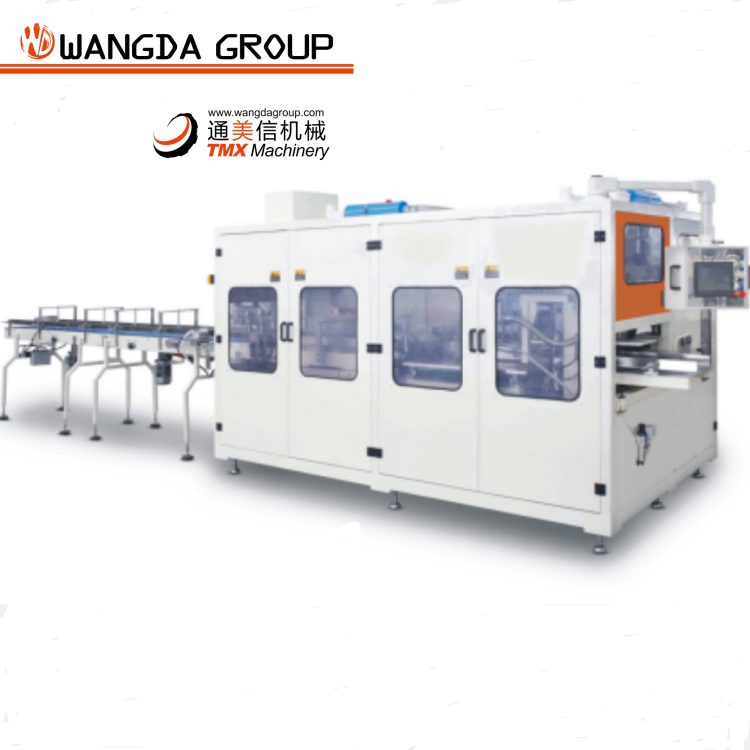
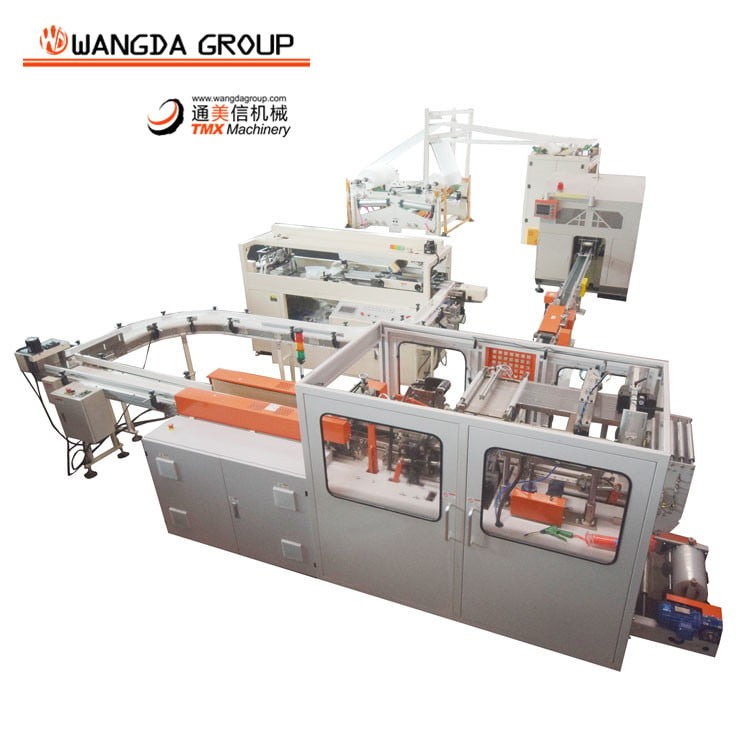
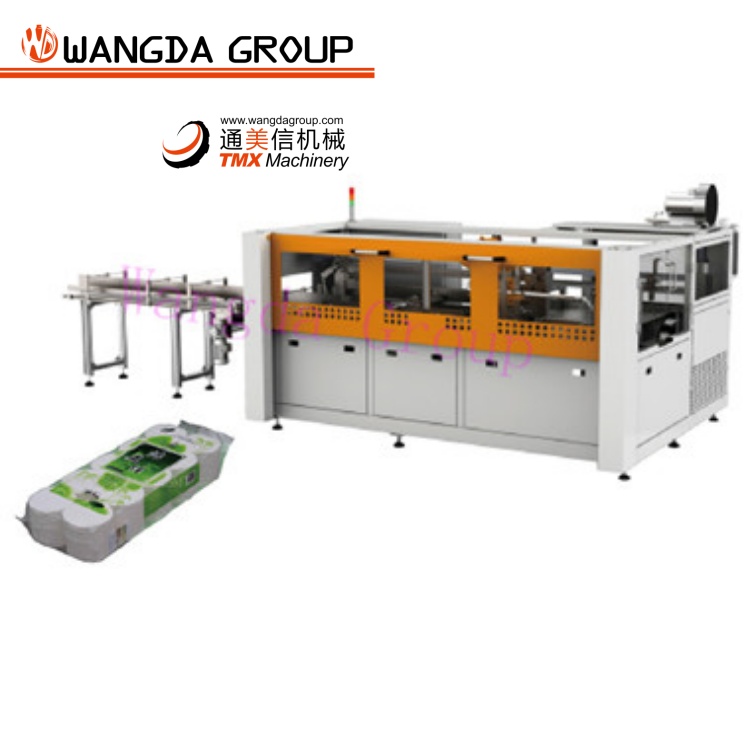
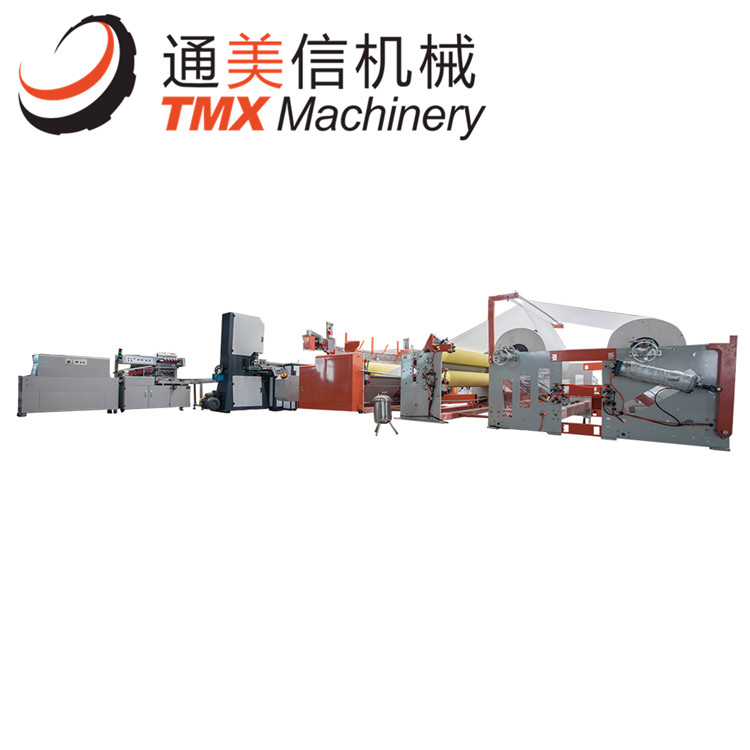
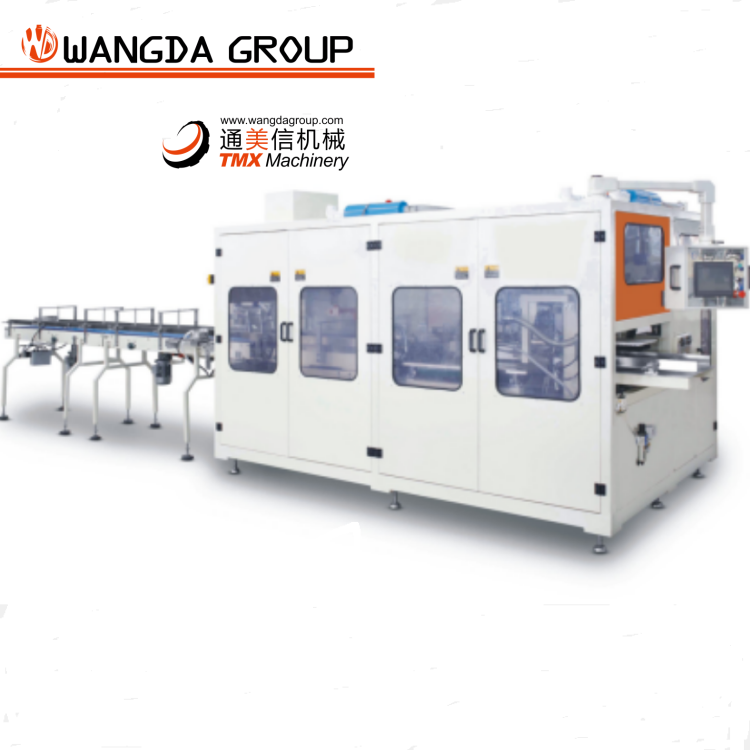
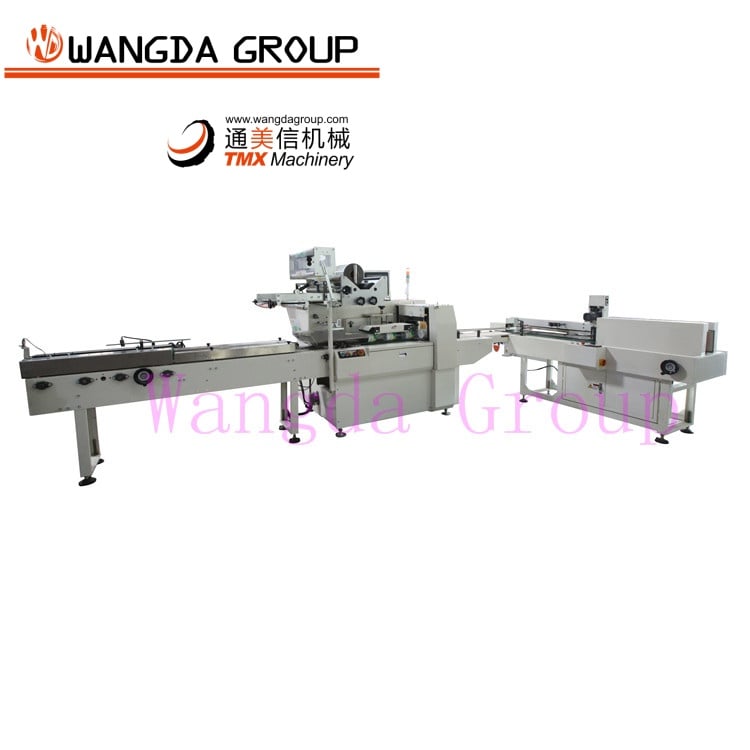
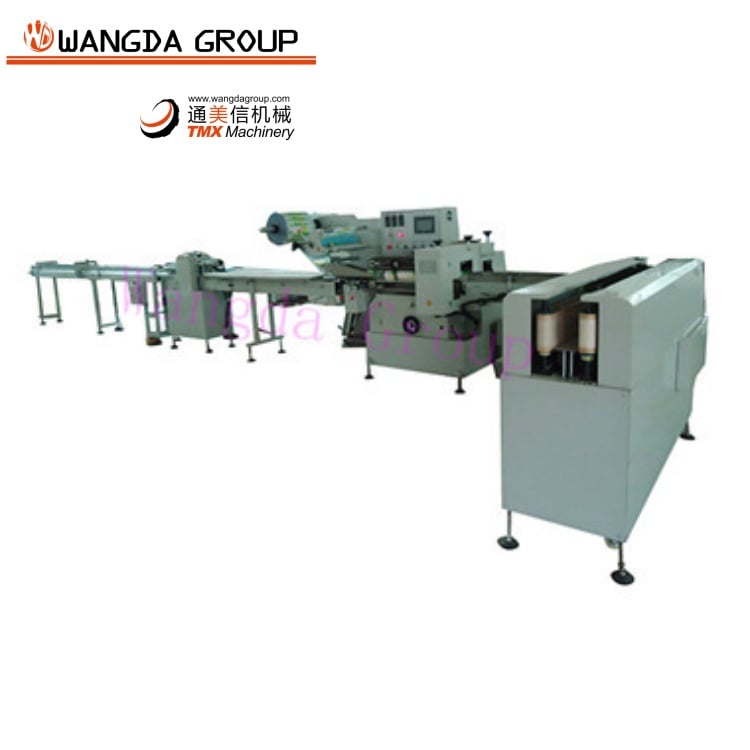
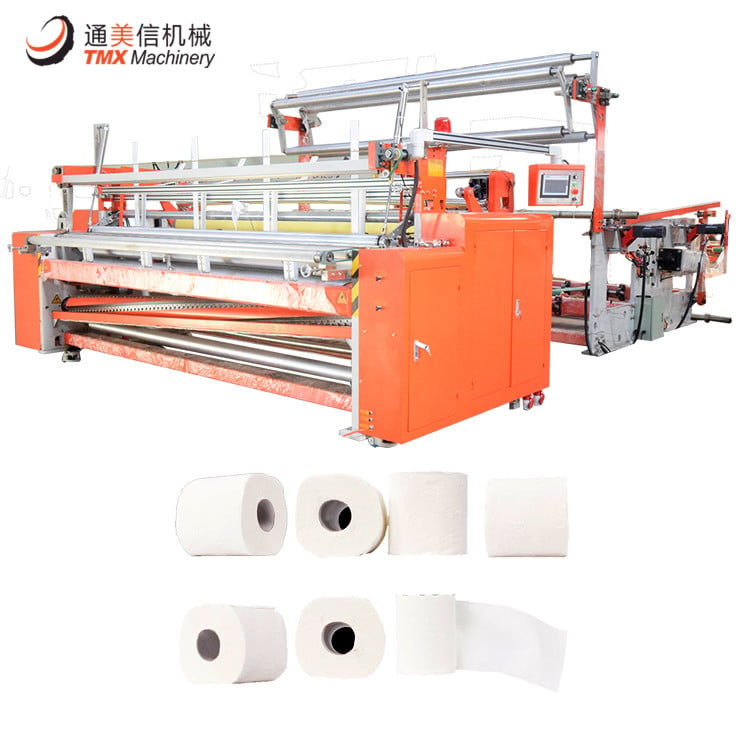
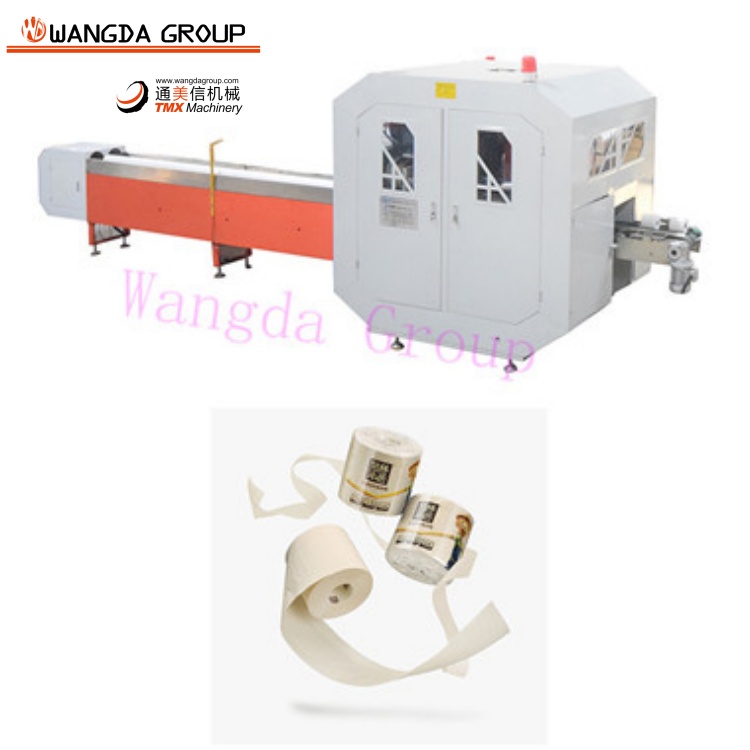
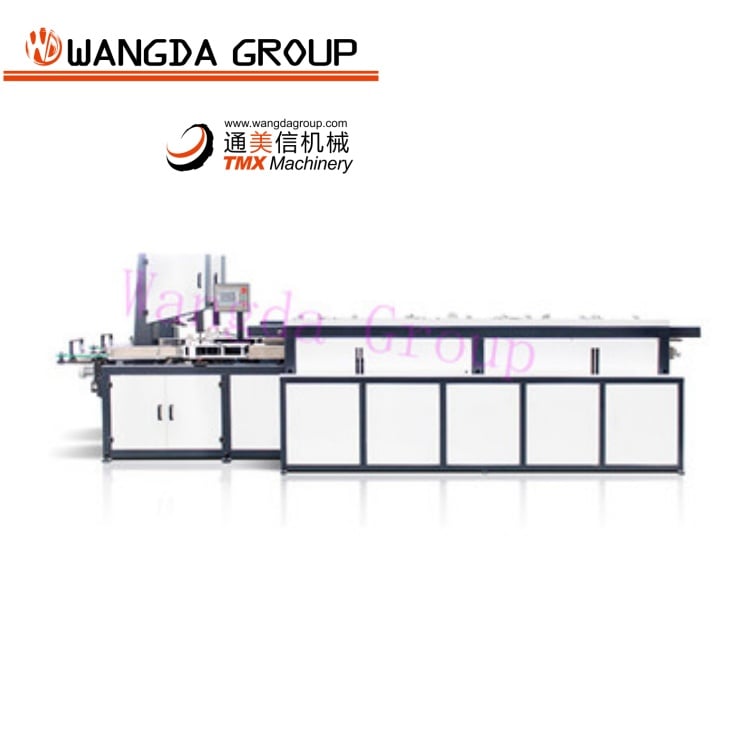
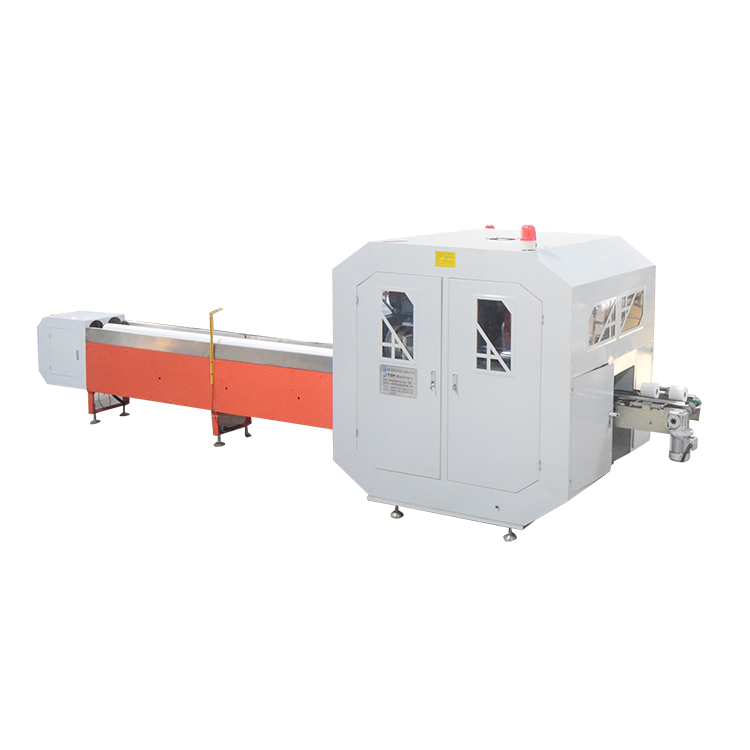
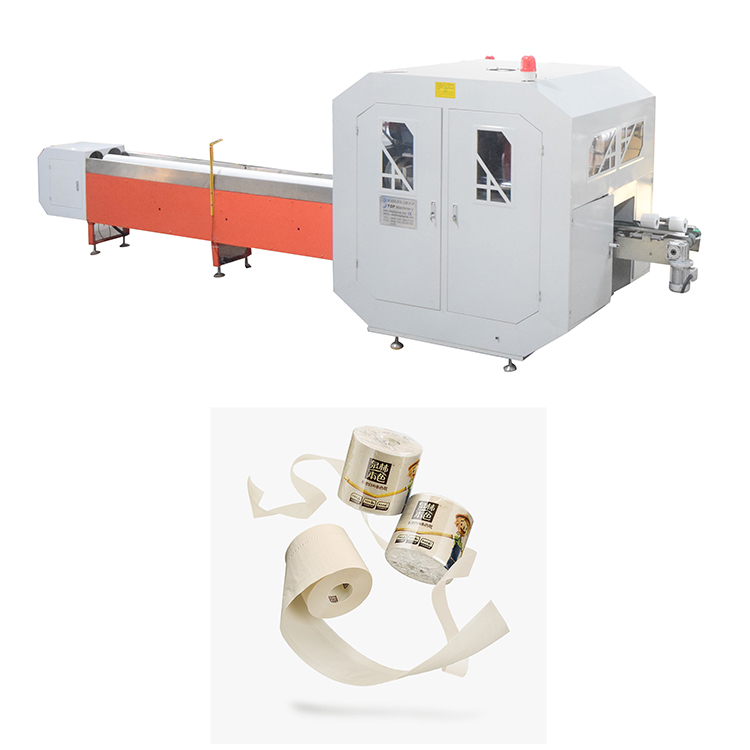
In the world of hygienic product manufacturing, a fully automatic toilet roll making machine stands out as a vital component for businesses aiming to optimize production efficiency and meet market demands. As a purchasing manager or product manager, you may have concerns about the machine's specifications, installation requirements, and overall efficiency. This article will provide you with insights into choosing the right machine, understanding its key specifications, installation needs, applications, and how to maximize production efficiency through advanced technology.
When selecting a fully automatic toilet roll making machine, it is essential to consider several factors to ensure it meets your production needs. First, evaluate the machine's production capacity, which often varies depending on speed, size, and configuration. A machine that produces 200 to 600 rolls per minute is typical, but your choice should align with your specific output requirements.
Next, consider the materials your machine will work with. High-quality raw materials, such as recycled or virgin paper, can impact the machine's performance and the final product's quality. Ensure that the machine can handle the specific paper grades you plan to use.
Additionally, assess the machine's customization capabilities. Some manufacturers, including Wangda Industrial Co., Limited, offer tailored solutions that can accommodate unique production processes or specific product designs. tissue paper making machine flexibility can be crucial in a competitive market.
Lastly, analyze the total cost of ownership, which includes not just the purchase price but also maintenance, operational efficiency, and potential energy costs. A well-designed machine may have a higher upfront cost but can lead to substantial savings over time through reduced waste and lower energy consumption.

Understanding the key specifications of fully automatic toilet roll making machines is crucial for making an informed purchase. Here are some essential specifications to consider:
Production Speed: The speed of the machine, measured in rolls per minute (RPM), directly impacts productivity. Machines typically range from 200 to 600 RPM, and selecting the right speed is critical based on your production needs.
Paper Width: The width of the paper roll the machine can handle is vital, as it determines the types of products you can manufacture. Standard widths range from 1 to 4 meters, so ensure that the chosen machine can accommodate your specific requirements.
Core Diameter: The inner diameter of the toilet paper roll core affects the machine's design and the finished product's compatibility with dispensers. Common core diameters include 38mm and 50mm, and your choice should align with market standards.
Power Consumption: Energy efficiency is a significant factor in operating costs. Look for tissue paper manufacturing machine that optimize power usage while maintaining high productivity levels.
Automation Features: Advanced automation features such as touch screen controls, remote monitoring, and integrated quality control systems can greatly enhance operational efficiency and reduce labor costs.
By carefully evaluating these specifications, you can select a toilet roll making machine that aligns with your production goals and operational capabilities.

Installing a fully automatic toilet roll making machine requires careful planning to ensure optimal operation. Here are some key considerations for the installation process:
Space Requirements: Ensure that you have sufficient space in your facility to accommodate the machine and any auxiliary equipment, such as paper storage and packing machines. Consider the layout for smooth material flow and operator access.
Foundation and Structural Support: The machine must be anchored to a solid foundation that can support its weight and operational vibrations. Consulting with structural engineers may be necessary to assess load-bearing capabilities.
Utilities and Connections: Installation requires connections to electrical, water, and air supply systems. Ensure that your facility is equipped with the necessary utilities to support the machine's operation, including voltage specifications and safety measures.
Training and Setup: Collaborate with the manufacturer for training sessions on machine operation and maintenance. Proper training is essential for operators to maximize the machine's functionality and longevity.
Compliance and Safety Regulations: Verify that the installation meets local safety and regulatory standards. toilet paper machine may include fire safety measures, electrical codes, and environmental regulations.
By addressing these installation requirements, you can minimize downtime and ensure a smooth transition to full production.

Fully automatic toilet roll making machines are versatile and can be utilized in various applications across different markets. Here are some common applications:
Household Use: The primary application is producing toilet paper for residential use, catering to household needs. Machines can produce rolls of varying sizes and ply counts to meet consumer preferences.
Commercial Use: Businesses such as hotels, restaurants, and offices require bulk toilet paper supplies. Fully automatic machines can efficiently produce high volumes, ensuring that commercial establishments maintain stock levels.
Export Markets: Companies involved in the international trade of hygiene products benefit from fully automatic machines as they can meet the increasing global demand for toilet paper, particularly in regions like the Middle East, Asia, and Africa.
Customization for Branding: Some manufacturers offer customization options, allowing businesses to produce private-label toilet paper with unique branding, which is increasingly popular in retail markets.
Understanding these applications helps in selecting a machine that not only meets production requirements but also caters to specific market demands.
We've Toilet paper roll making machine with many clients both in the United States as well as abroad.
Our after-sales and sales teams are extremely Toilet paper manufacturing machine and skilled. About 80% of our team has been working in the field of hygienic products for over 10 years. We understand what our customers want and what they worry. Our customers aren't only purchasing our machines We also assist them to profit in this business of hygienic items. We provide our customers with the services after-sales they need.
Wangda manufactures toilet paper machines and toilet paper cutting machines Toilet paper packing machines, kitchen towel cutting machines, kitchen towel cutting machines. Kitchen towel packing machines. Tissue paper manufacturing machine facial tissue cutting machines, facial tissue packing machines, box drawing facial tissue machine, nylon bag facial tissue machines, maxi roll rewinding machines, napkin paper machines, serviette making machines, napkin paper packing machines, pocket tissue machines, pocket tissue packing machines, wet wipe folding machines as well as packing machines, and the list goes on. We also supply all related materials for these hygienic products.
Wangda has more than 20 years of experience manufacturing tissue machines. We pay attention to the quality of machines, their function as well as pre and post sales service. We've sold machines to over 100 countries. This has resulted in numerous orders and good feedback from our customers. Our R and D department is a part of Wangda. We have our own R and D departments. Our machines are constantly upgraded and are incorporating the latest technology of Germany, Japan, and Italy. They have received ISO9002, CE and BV certifications. We offer turnkey projects that span from Toilet paper machine that includes more than machines.
To enhance the efficiency of fully automatic toilet roll making machines, it is essential to leverage advanced production technologies. Here are some strategies to consider:
Servo Technology: Machines equipped with servo motors provide precise control over movements, improving production speed and reducing waste. This technology allows for faster adjustments during production runs, leading to overall efficiency gains.
Quality Control Systems: Integrated quality control systems can monitor production in real time, ensuring that the finished product meets predefined quality standards. This reduces the need for rework and enhances customer satisfaction.
Energy-Efficient Designs: Machines designed with energy efficiency in mind can significantly reduce operational costs. Look for features such as variable frequency drives (VFDs) that optimize energy consumption based on the machine's operational needs.
User-Friendly Interfaces: Modern machines often include intuitive control panels that simplify operation and troubleshooting. This can significantly reduce the learning curve for new operators and enhance productivity.
Preventive Maintenance Programs: Implementing a preventive maintenance program can help identify potential issues before they affect production. Regular servicing ensures that the machine operates at peak performance, extending its lifespan and reducing downtime.
By incorporating these advanced technologies and practices, businesses can significantly improve the efficiency and effectiveness of their toilet roll production processes.
understanding the key aspects of fully automatic toilet roll making machines is crucial for making informed purchasing decisions. By focusing on specifications, installation requirements, applications, and technology, buyers can optimize their production processes and better meet market demands.