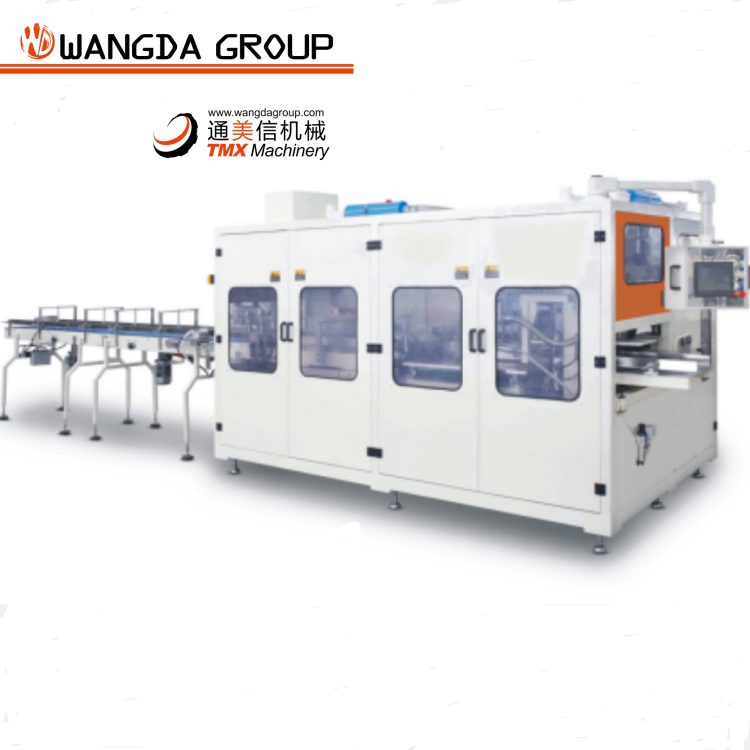
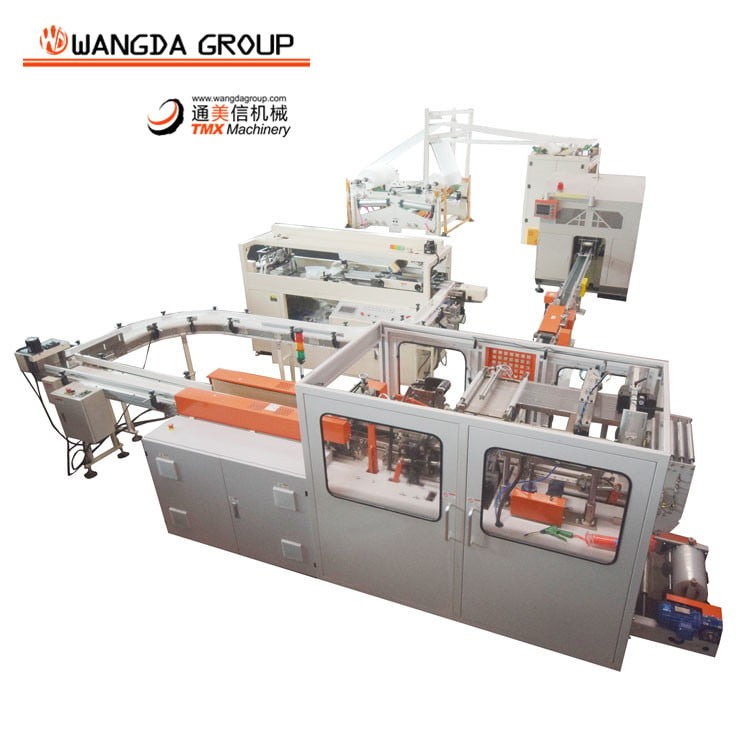
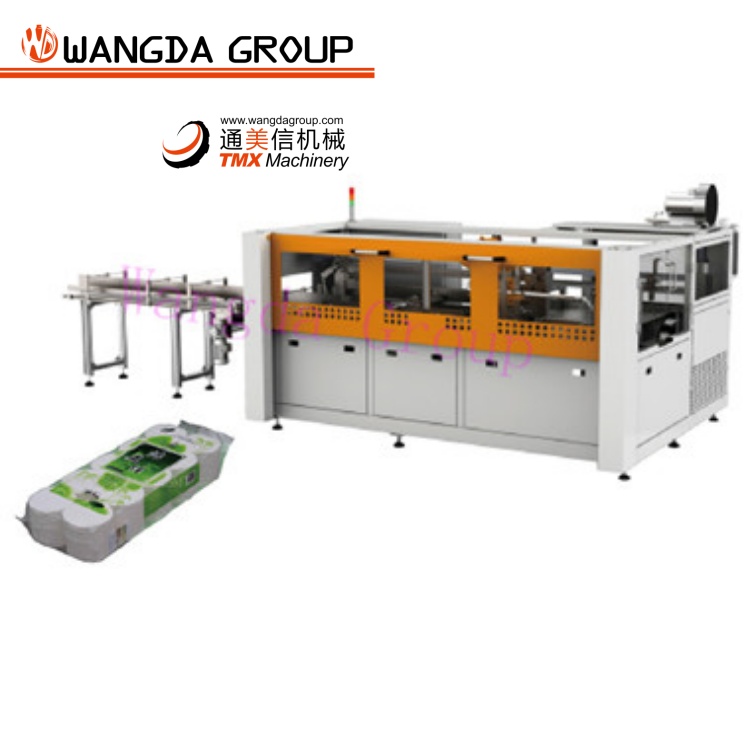
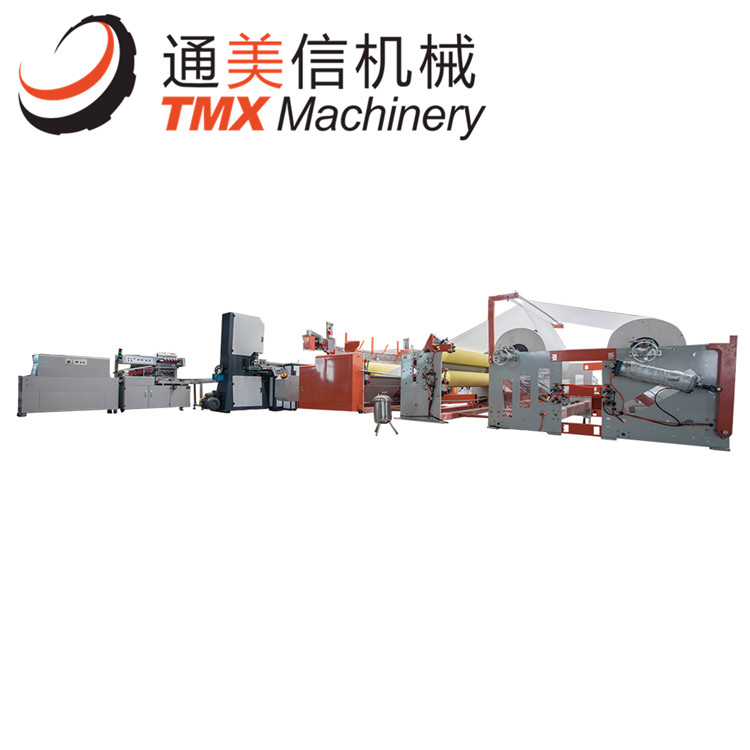
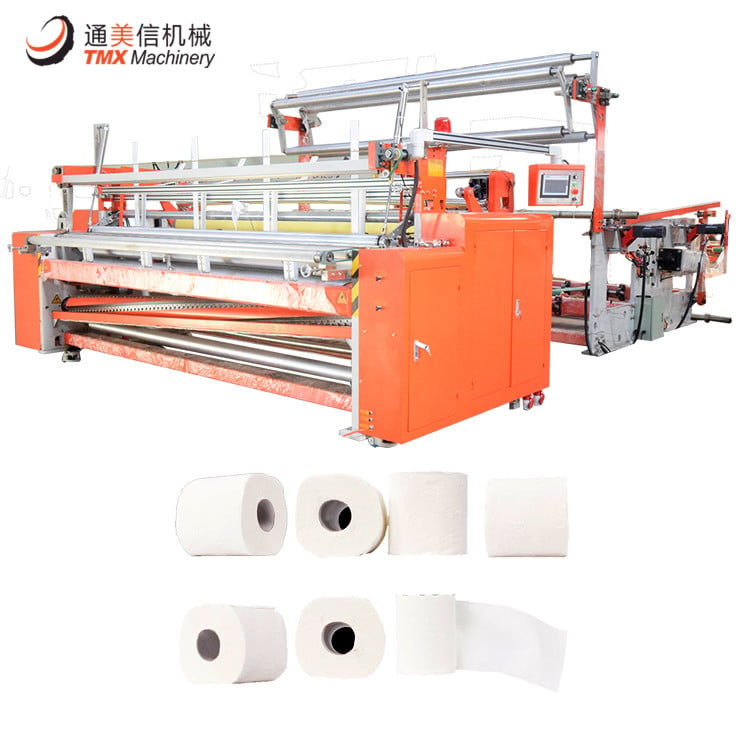
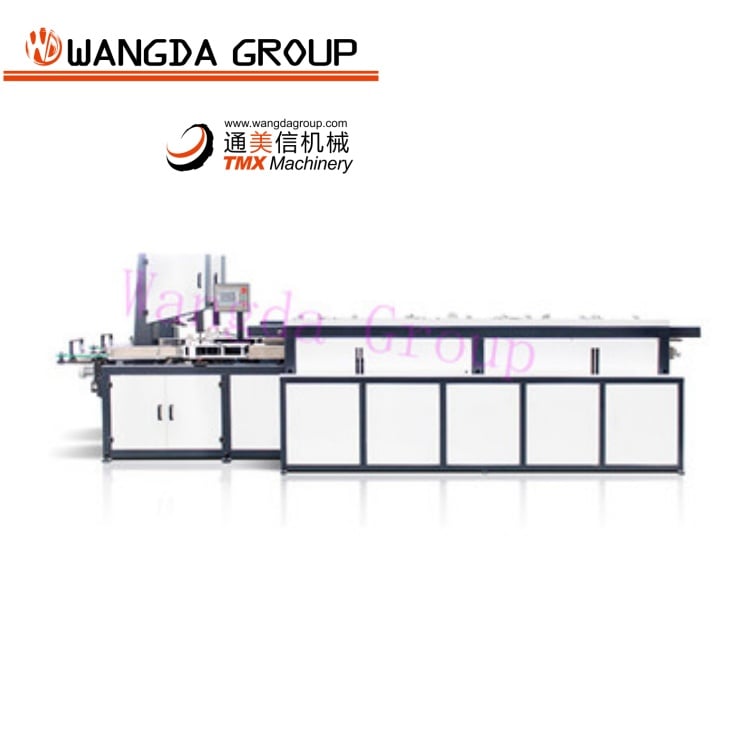
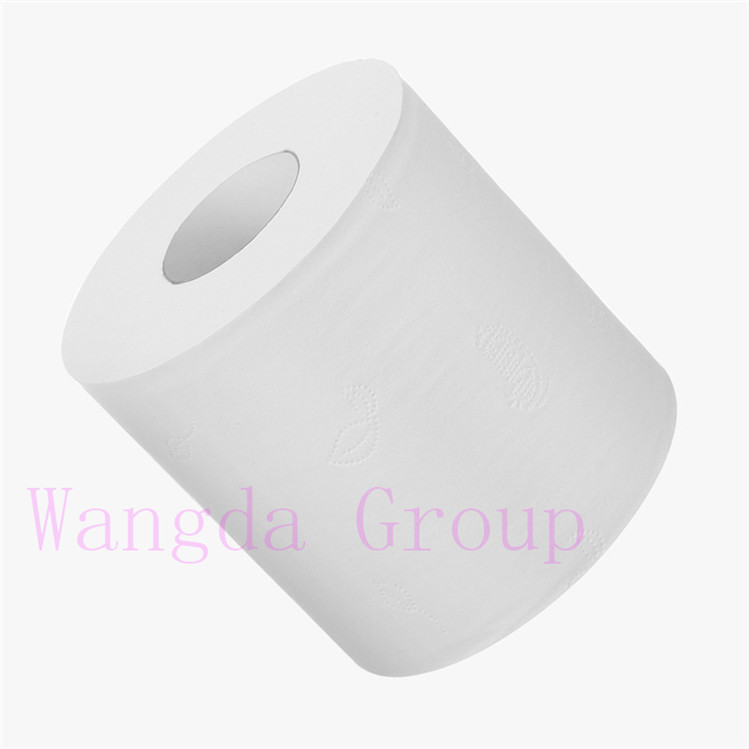
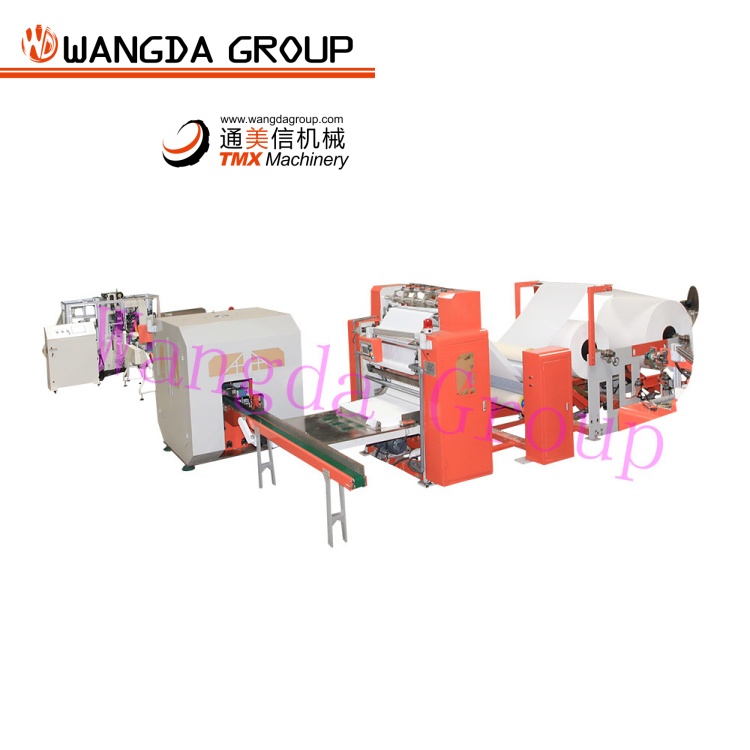
Investing in a toilet paper making machine is a critical decision for businesses in the hygiene product manufacturing sector. The cheapest toilet paper making machine can offer a viable entry point for companies looking to enter or expand within this industry. However, potential buyers often have concerns regarding machine specifications, supplier reliability, and operational efficiency. This article aims to provide a comprehensive guide on evaluating toilet paper making machines, helping you make informed purchasing decisions.
When assessing toilet paper making machines, several key specifications should be prioritized:
Production Capacity: Evaluate the machine's output per hour to ensure it meets your production demands. This is essential for matching your production levels with market demand.
Material Compatibility: Machines should be compatible with various paper grades, such as recycled paper or virgin pulp. Confirm the machine's specifications to ensure it handles the materials you plan to use.
Automation Level: Consider whether a full-servo or semi-automatic machine fits your operational workflow. Full-servo machines, like those produced by Wangda Industrial Co., provide higher efficiency and reduced labor costs.
Dimensions and Footprint: Ensure the machine fits your production space. The overall size can impact installation costs and workflow efficiency.
Energy Consumption: An energy-efficient machine can lead to significant savings over time. Look for machines with lower energy requirements that do not compromise on performance.
Quality Control Features: Machines equipped with integrated quality control systems ensure consistent product quality. This feature is vital for maintaining customer satisfaction and compliance with industry standards.

Finding trustworthy suppliers for affordable toilet paper making machines requires diligence. Start by researching manufacturers with a strong reputation in the industry. Consider the following sources:
Industry Trade Shows: Attending trade shows allows you to see machinery in action and meet suppliers face-to-face. This can provide insight into the manufacturer's capabilities and product offerings.
Online Marketplaces and B2B Platforms: Websites like Alibaba or Made-in-China allow you to compare multiple suppliers and read reviews from previous customers. Look for suppliers with verified certifications.
Referrals and Recommendations: Connect with industry peers who have purchased similar equipment. Their experiences can guide you in selecting reputable suppliers.
Manufacturer Websites: Investigate manufacturers like Wangda Industrial Co., which specialize in hygienic product machinery and provide detailed product information and customer support.
Local Distributors: Sometimes, local distributors can offer competitive rates and support services, making them a viable option for purchasing machinery.

When comparing budget-friendly toilet paper making machines, focus on the following features:
Cost vs. Features: Analyze the trade-offs between cost and features. Sometimes, a slightly more expensive machine may offer features that result in lower operational costs.
Maintenance Requirements: Evaluate the maintenance needs of each machine. Machines that require fewer repairs and less frequent servicing can save you money in the long run.
Warranty and Support: A robust warranty and good customer support are essential. They can save costs associated with unexpected breakdowns and repairs.
Customization Options: Some manufacturers offer customization to meet specific production needs. This could be beneficial if you plan to diversify your product range.
Warranty Period and Service Agreements: Look for machines with extended warranty periods and service agreements, providing peace of mind regarding potential issues.
By carefully comparing these features, you can find a budget-friendly machine that meets your operational needs without sacrificing quality.

Proper installation is crucial for the efficient operation of toilet paper making machines. Here are key points to consider:
Site Preparation: Ensure the installation site is prepared with adequate space, electrical connections, and ventilation. This will prevent operational disruptions after installation.
Professional Installation: Leveraging the expertise of professional installers can ensure that the machine is set up correctly, adhering to manufacturer specifications. This can also minimize errors that could lead to costly downtime.
Training for Operators: Provide thorough training for operators on how to use the machine effectively. This can include understanding the control panel, troubleshooting common issues, and proper maintenance practices.
Testing Protocols: Establish a testing protocol post-installation to ensure the machine operates as expected. This includes running initial test batches and making adjustments as necessary.
Regular Maintenance Schedule: Implement a regular maintenance schedule to keep the machines in optimal condition. This includes cleaning, lubricating moving parts, and checking for wear and tear.
By following these installation guidelines, businesses can ensure their new toilet paper making machine operates efficiently and effectively from day one.

Wangda has Toilet roll manufacturing machine with various clients both from home and abroad. We have worked with large companies from GCC countries such as Fine Hygienic across different nations, Nesto Hypermarket, Top one and two hygienic producer Band G, the Meghna Groups of Bangladesh. Outnet Group from African countries. And as well, there are big European brand, American brands, Latin American brands we have cooperated for a great number of years. We have several factories outside of the United States that you can visit to look at our products which is more efficient. Also you are invited to come to our factory to see our products on the spot. We will be happy to answer your questions at any time, and we hope to begin our mutual benefit story right away.
Wangda has more than 20 years experience in the production of various tissue machines. We take great care of the machines' functions and the quality, and additionally, we provide after-sales and pre-sales services. We've sold machines to over 100 countries, which has resulted in many repeat orders and good reviews from our clients. Wangda has its own R and D departments. Our machines are based on advanced Germany, Japan and Italian technology and is updated day by day. Our machines has passed Toilet roll manufacturing machine, CE, BV and many more certifications. What we supply is not only machines. What we supply is turnkey projects from A-Z. can accept customized requests for these tissue machines.
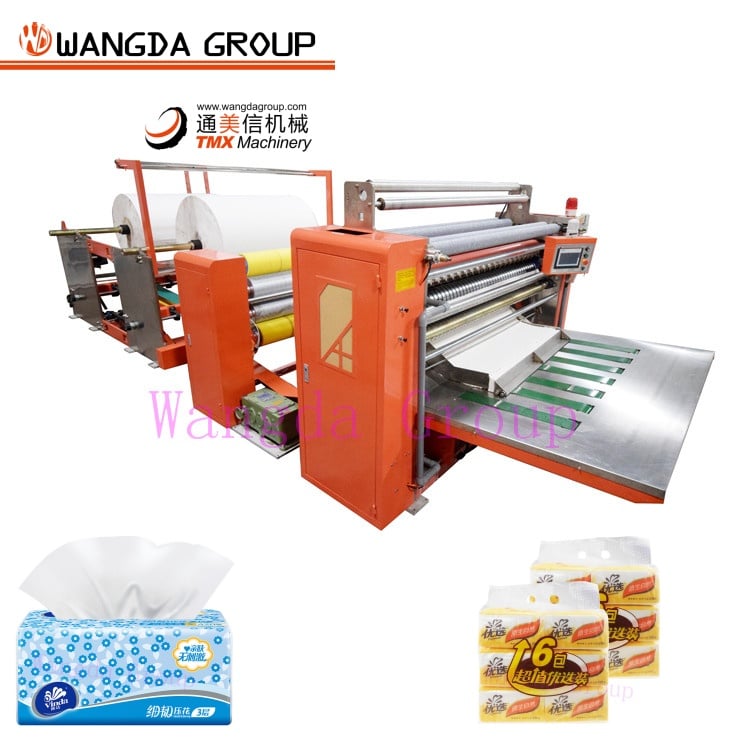
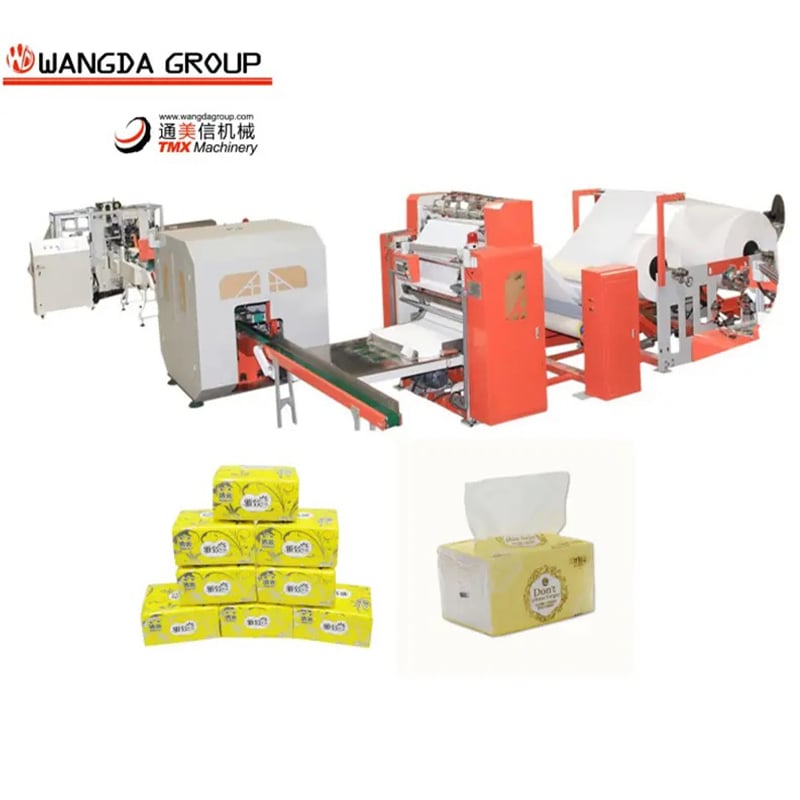
Wangda manufactures toilet tissue machines (including cutting and packing), Tissue paper machine (including cutting and packing), facial tissue machines (including cutting and packing) as well as nylon bag facial tissues machines. We also produce maxi roll rewinding as well as perforating machines.
Wangda is a highly professional and knowledgeable sales staff and after-sales team, 80% of the team has been in Tissue paper manufacturing machine for more than 10 years in our company in this hygiene-conscious product industry. Our team has a wealth of experience in the daily use of paper tissue machines, related packing machines and many other Hygienic products machines We have a wide range of professional expertise in this field, we are aware of what our customers wants, we worry about what our customers worry about. We not just sell the machines to our clients, but we help our customers earn money through this business of hygienic products, to provide the lifelong after-sale services to our customers at the right time.
Toilet paper production can present various challenges. Here are some common problems and their potential solutions:
Web Breaks: This can occur due to improper tension adjustments or poor-quality raw materials. To resolve this, ensure that the tension is properly calibrated and use high-quality paper stock.
Quality Inconsistencies: Variations in thickness or texture can arise from machine settings or raw material quality. Establish strict quality control measures and adjust machine settings as necessary.
Downtime Due to Maintenance: Unexpected machine failures can lead to costly downtime. Regular maintenance checks and having spare parts readily available can mitigate this risk.
Packaging Issues: Machines may sometimes fail to pack the finished product properly. Ensure that the packaging equipment is compatible with your production line and regularly inspected for functionality.
Operator Errors: Mistakes during operation can lead to inefficiencies. Training operators thoroughly and implementing standard operating procedures can minimize errors.
By proactively addressing these common production problems, companies can maintain a steady output and product quality, ultimately leading to satisfied customers and profitable operations.