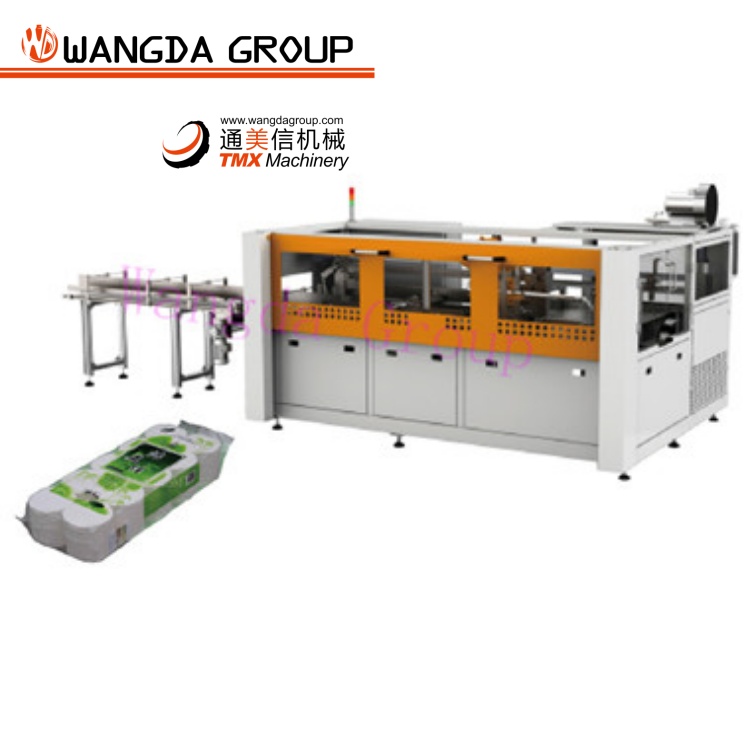
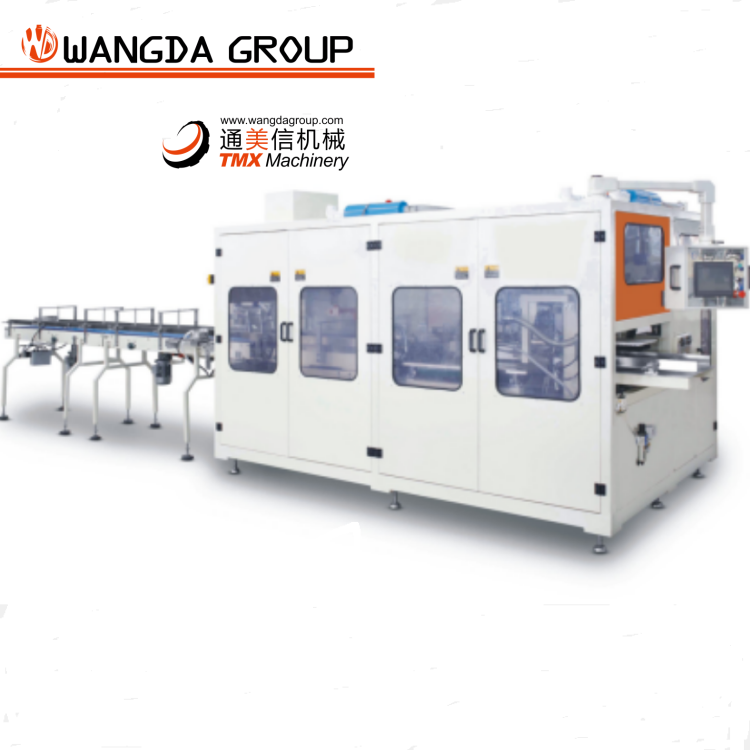
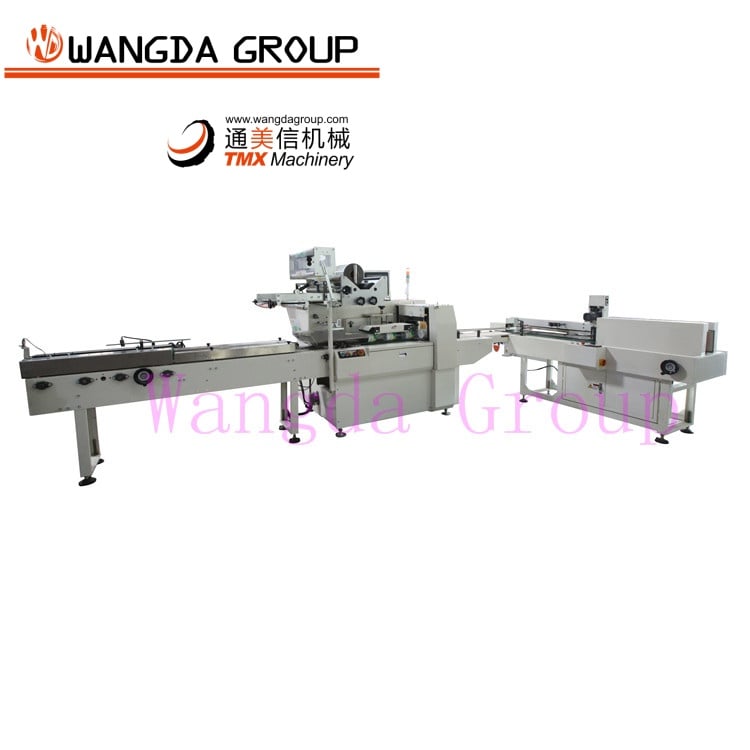
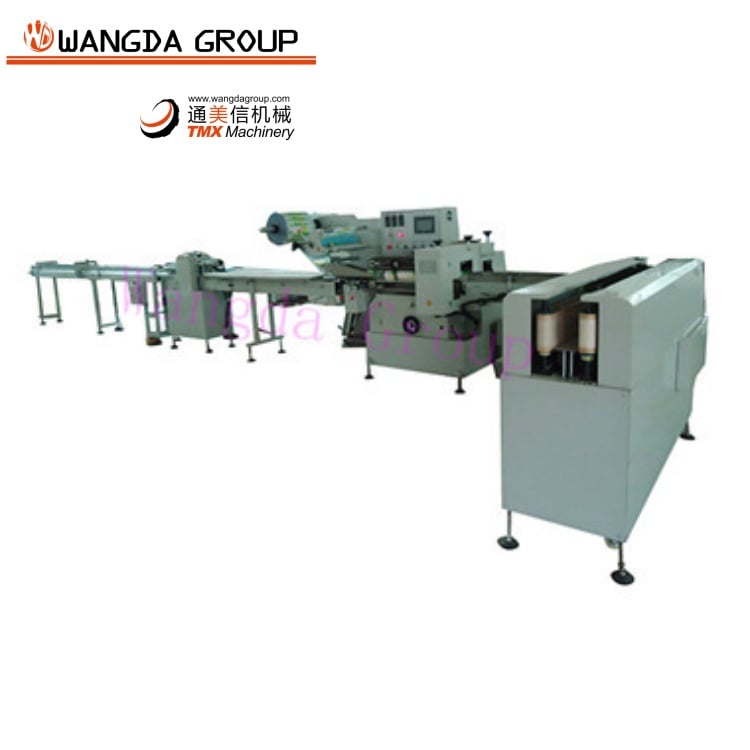
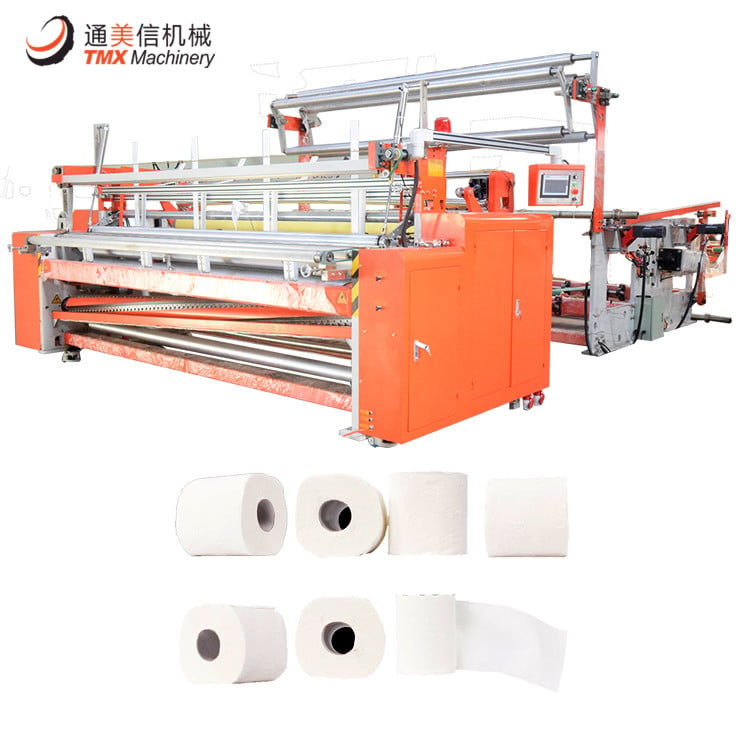
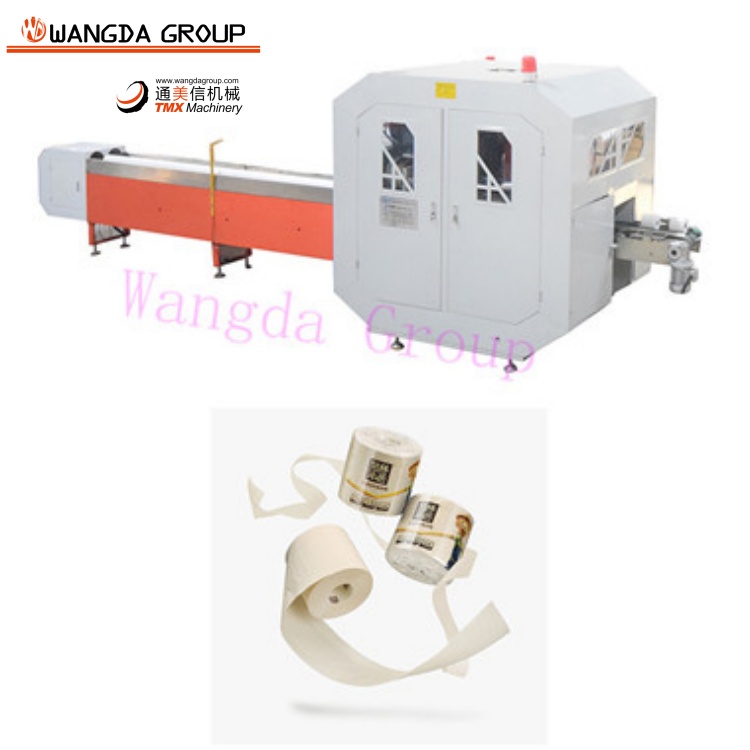
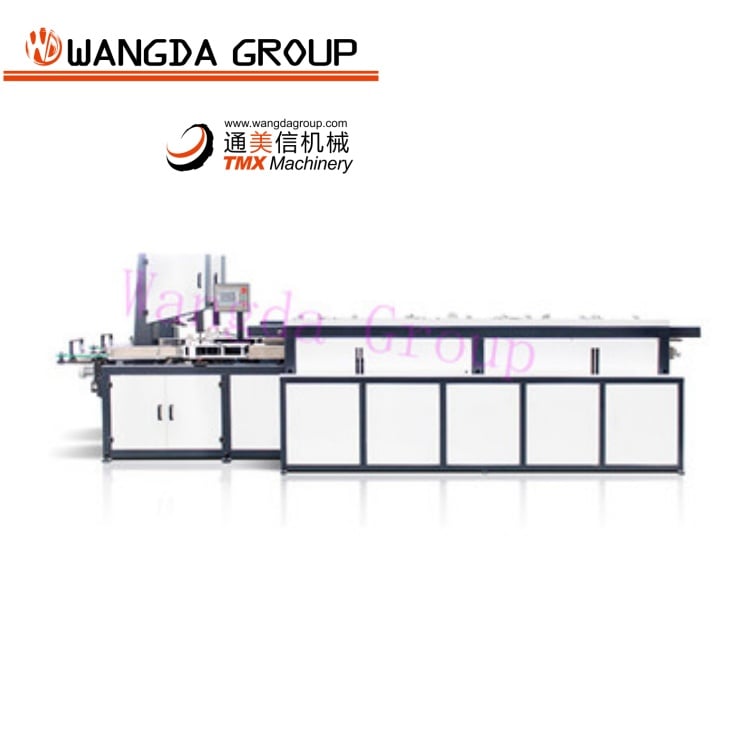
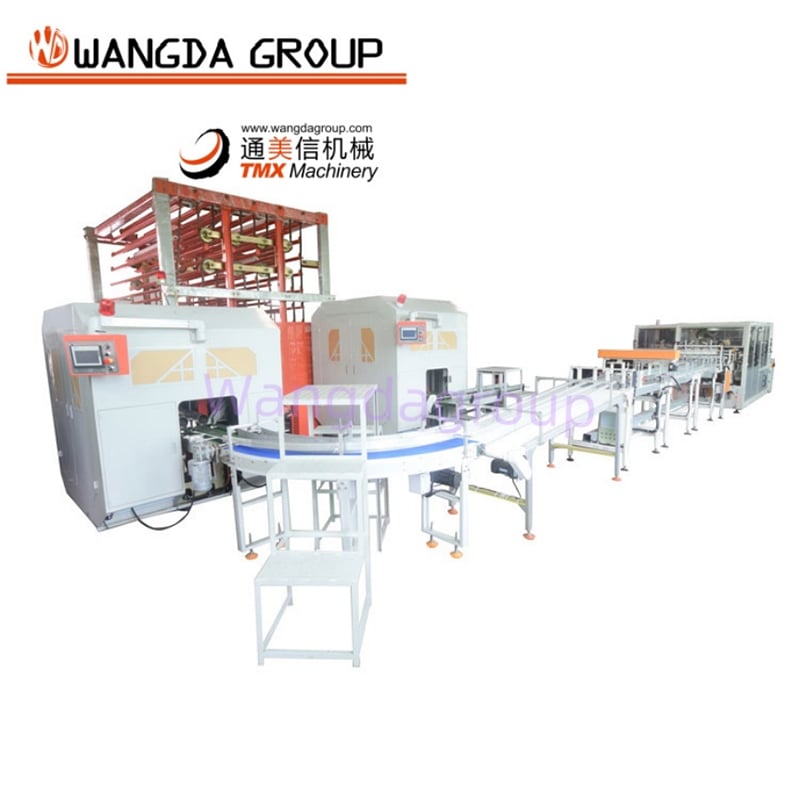
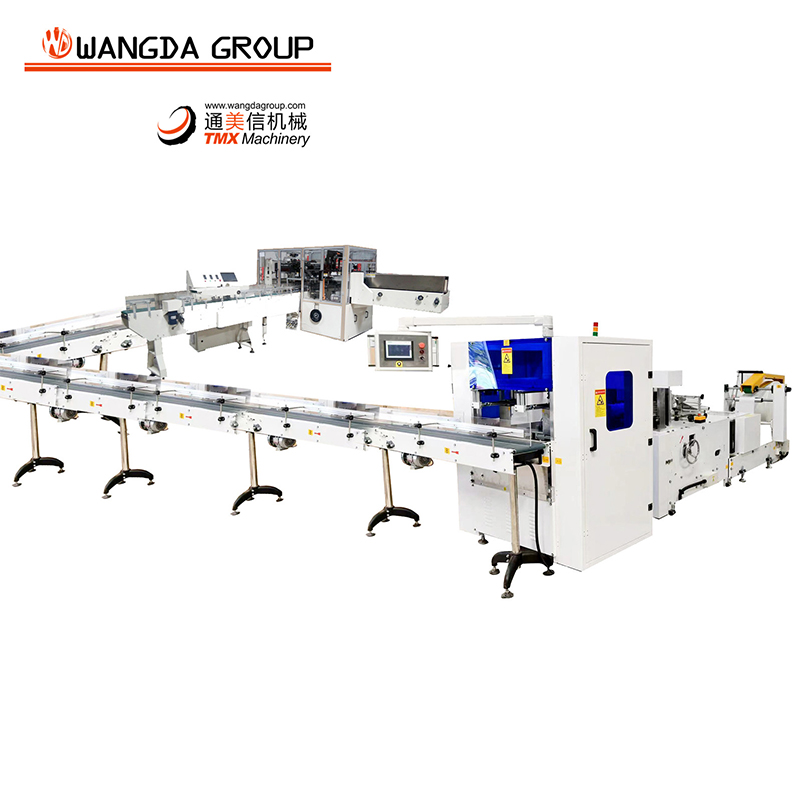
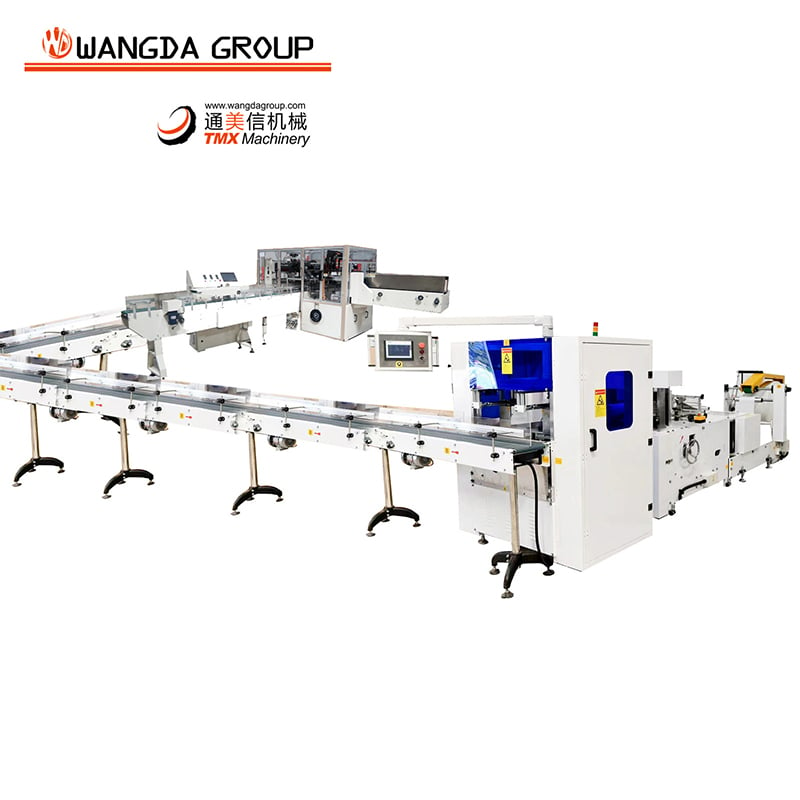
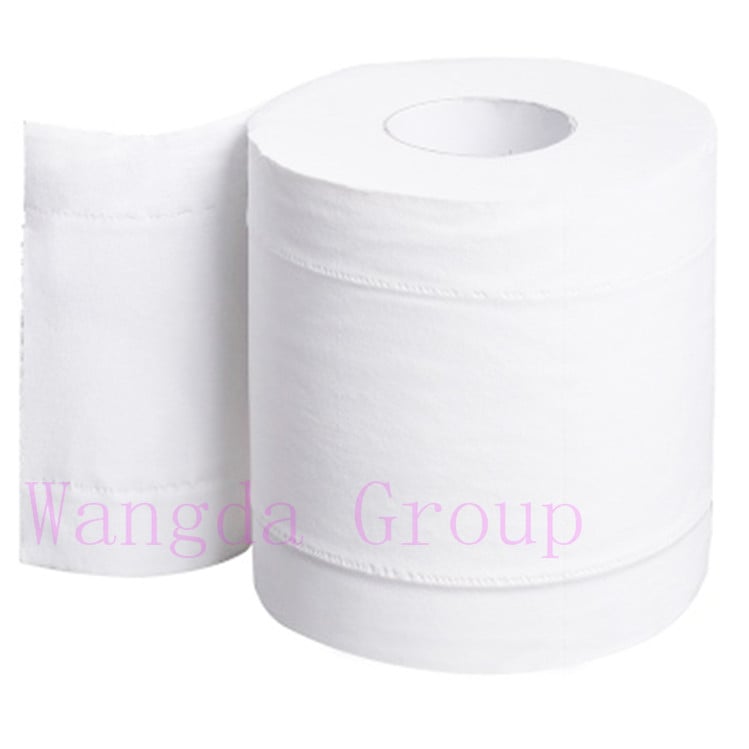
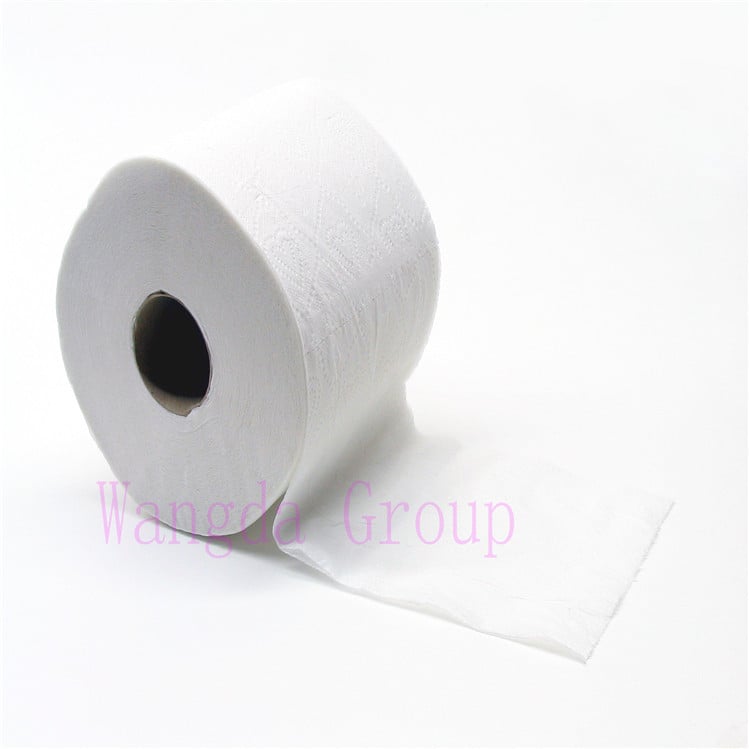
Investing in a cheap toilet paper making machine can be a strategic move for businesses looking to enter or expand in the hygiene product market. However, buyers must carefully assess various factors beyond just the initial purchase price. This article will guide you through essential considerations such as key specifications, quality control measures, installation guidance, cost factors, and common production issues. By understanding these elements, purchasing managers, distributors, and engineers can make informed decisions that align with their operational needs and budget constraints.
When evaluating cheap toilet paper making machines, key specifications are critical to ensuring optimal performance and product quality. Here are some essential factors to consider:
Production Capacity: Determine the machine's output per hour. This will depend on your business's demand and help you gauge whether the machine meets your production goals.
Material Specifications: The choice of raw materials such as the type and thickness of paper affects the quality of the final product. Ensure the machine can handle various paper grades to meet market needs.
Technology Type: Full-servo toilet paper making machine offer higher precision and efficiency, while semi-automatic models may be more cost-effective. Understand the balance between technology and your budget.
Dimensions and Footprint: Ensure the machine fits within your facility's layout. Consider the space required for operation and maintenance access.
Energy Efficiency: Look for machines that consume less power and have features that optimize energy use, as this can significantly affect operating costs over time.
Customization Options: Some manufacturers offer customization to tailor the machine to specific production requirements, such as size variations or packaging needs.
Evaluating these specifications helps ensure that the machine not only fits your budget but also meets your production requirements effectively.

Quality control is paramount in the production of toilet paper, as it directly influences customer satisfaction and compliance with industry standards. For cheap toilet paper making machines, consider the following quality control measures:
Material Verification: Ensure that the raw materials used are of the correct specifications. Inferior materials can lead to product defects, which may result in costly reworks.
In-Process Monitoring: Implement regular checks during the production process to identify potential issues early. This includes monitoring paper thickness, texture, and strength.
Final Product Testing: Before the mass production run, conduct tests on sample batches to ensure they meet quality standards. This can include absorbency tests, surface smoothness checks, and durability assessments.
Supplier Certification: Collaborate with manufacturers that have established quality management systems and certifications. This adds a layer of trust regarding the machine's operational reliability.
Feedback Mechanism: Establish a system for collecting feedback from production personnel to identify recurring issues and areas for improvement.
Adopting robust quality control processes ensures a consistent and reliable production flow, minimizing waste and maximizing profitability.
Proper installation of a cheap toilet paper making machine is crucial for optimal performance. Here are steps to ensure a successful installation:
Site Preparation: Before the installation, ensure that the site is prepared with adequate electrical and plumbing setups. This includes checking power supply specifications to match the machine's requirements.
Professional Installation: Engage qualified technicians for the installation process. Their expertise can help avoid common pitfalls that may arise from improper setup.
Calibration: Once installed, the automatic toilet paper making machine should be calibrated according to the manufacturer’s specifications. This ensures that all components function correctly and the output meets quality standards.
Training: Provide training for your operational staff on how to use and maintain the machine. This includes understanding emergency protocols and troubleshooting basic issues.
Documentation: Keep all installation documentation and manuals readily available. This information is vital for future reference and maintenance work.
Following these installation guidelines helps ensure that the machine operates smoothly from the outset, minimizing downtime and production delays.

While the initial purchase price is a significant factor, several other cost considerations can influence the total investment in toilet paper production machinery:
Operating Costs: Evaluate the machine's energy consumption, maintenance requirements, and the cost of raw materials. These ongoing expenses can significantly impact the overall cost of ownership.
Warranty and Support: Assess the warranty offered by the manufacturer and the availability of technical support. This can save costs related to repairs and downtime.
Shipping and Installation Costs: Factor in transportation and installation costs as these can vary widely based on location and machine complexity.
Customization Expenses: If you require custom features for your machine, ensure to include those costs in your budget. Customization can enhance product quality but may also lead to higher upfront costs.
Financing Options: Explore financing alternatives that can ease the initial financial burden. Some suppliers may offer leasing options that allow for lower upfront costs while providing access to modern equipment.
By considering these cost factors, buyers can better understand the total financial impact of their investment and make informed purchasing decisions.
Wangda has more than 20 years experience in the production of various tissue machines. We take great care of the machines' functions and the quality, and additionally, we provide after-sales and pre-sales services. We've sold machines to over 100 countries, which has resulted in many repeat orders and good reviews from our clients. Wangda has its own R and D departments. Our machines are based on advanced Germany, Japan and Italian technology and is updated day by day. Our machines has passed Toilet roll manufacturing machine, CE, BV and many more certifications. What we supply is not only machines. What we supply is turnkey projects from A-Z. can accept customized requests for these tissue machines.
We've Toilet tissue machine with many clients both in the United States as well as abroad.
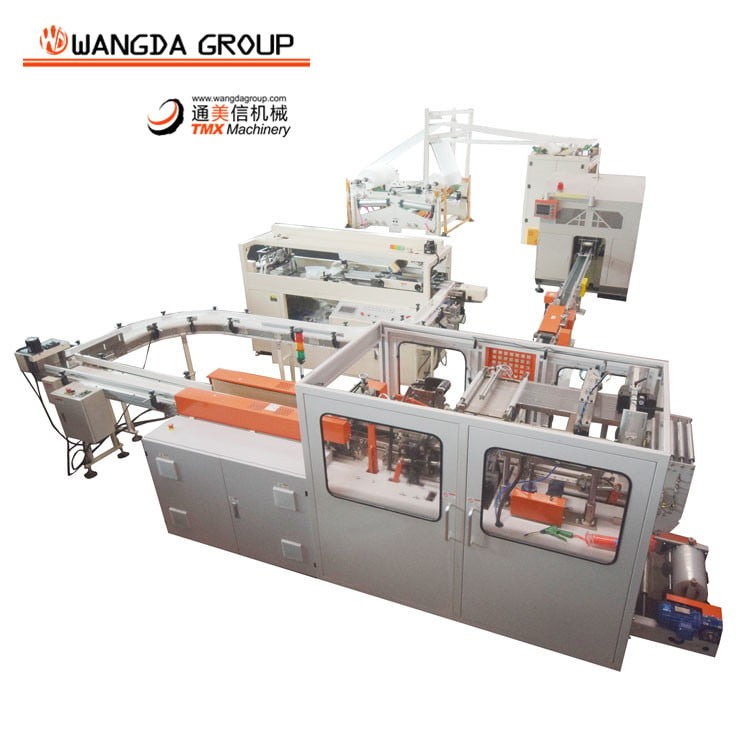
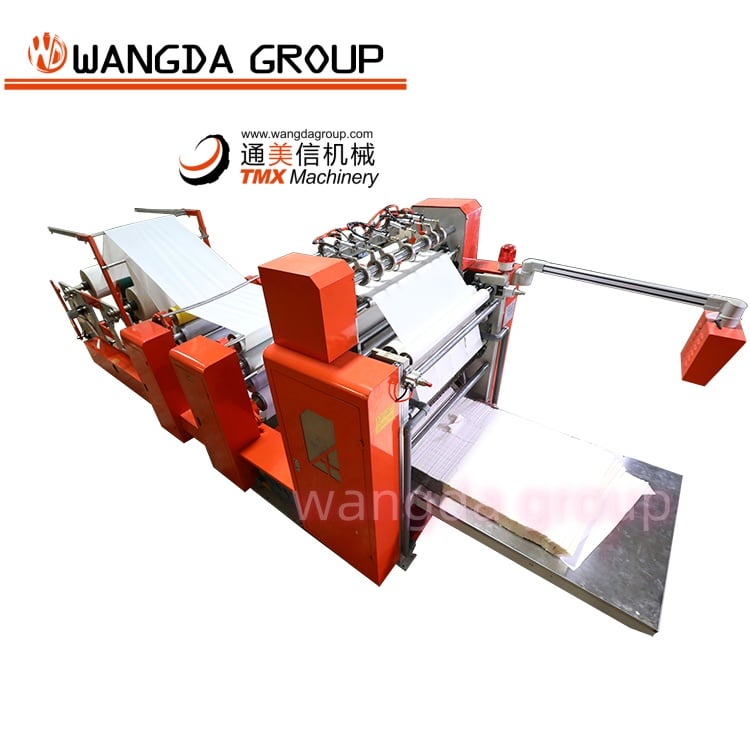
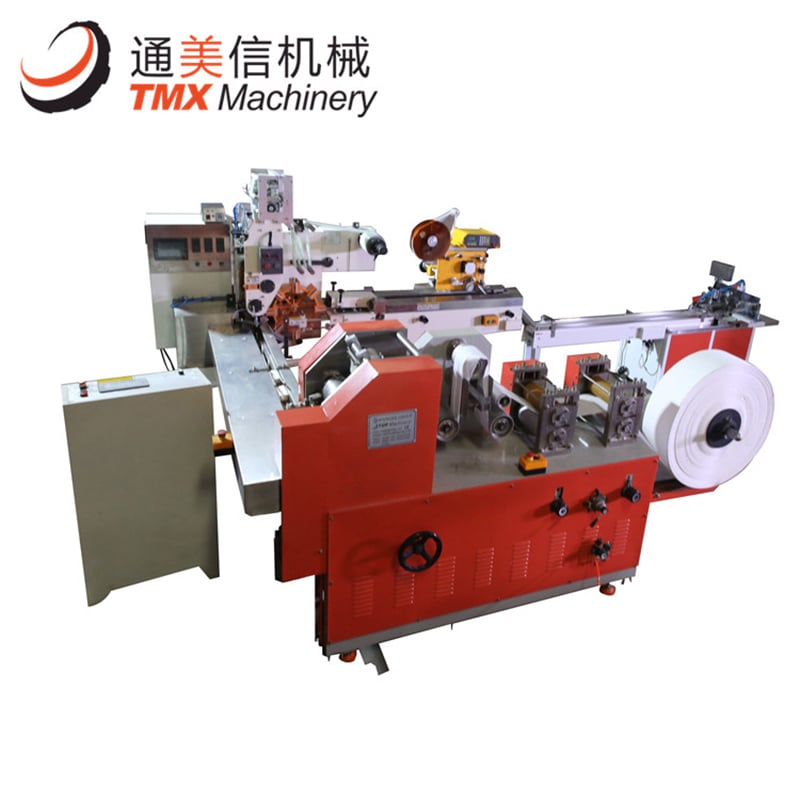
Wangda manufactures toilet tissue machines (including Toilet paper manufacturing machine and packing) Kitchen towel machines (including cutting and packing) facial tissue machines (including cutting and packing), nylon bag facial tissues machines. We also manufacture maxi roll rewinding machines as well as perforating machines.
Wangda is a highly professional and knowledgeable sales staff and after-sales team, 80% of the team has been in Toilet tissue machine for more than 10 years in our company in this hygiene-conscious product industry. Our team has a wealth of experience in the daily use of paper tissue machines, related packing machines and many other Hygienic products machines We have a wide range of professional expertise in this field, we are aware of what our customers wants, we worry about what our customers worry about. We not just sell the machines to our clients, but we help our customers earn money through this business of hygienic products, to provide the lifelong after-sale services to our customers at the right time.
Despite advancements in technology, common issues can arise during toilet paper production. Here are some prevalent problems and their potential solutions:
Paper Jam: This can occur due to improper alignment or the use of inferior raw materials. Regular maintenance checks and the use of high-quality materials can help mitigate this issue.
Inconsistent Quality: Variations in thickness or texture can arise from machine calibration issues. Regularly calibrating the machine and conducting quality checks will ensure consistency.
High Waste Rates: Excessive waste during production can result from incorrect machine settings or poor-quality materials. Conducting thorough tests on raw materials and ensuring correct fully automatic toilet paper making machine settings can reduce waste.
Downtime Due to Maintenance: Frequent breakdowns can be a significant issue. Implementing a routine maintenance schedule and training staff in basic troubleshooting can help minimize downtime.
Packaging Issues: Inadequate packaging may lead to product damage during transport. Ensure that the packaging system is compatible with the production line and meets industry standards for durability.
By understanding these common problems and their solutions, businesses can enhance their operational efficiency and product quality, leading to a more successful production process.