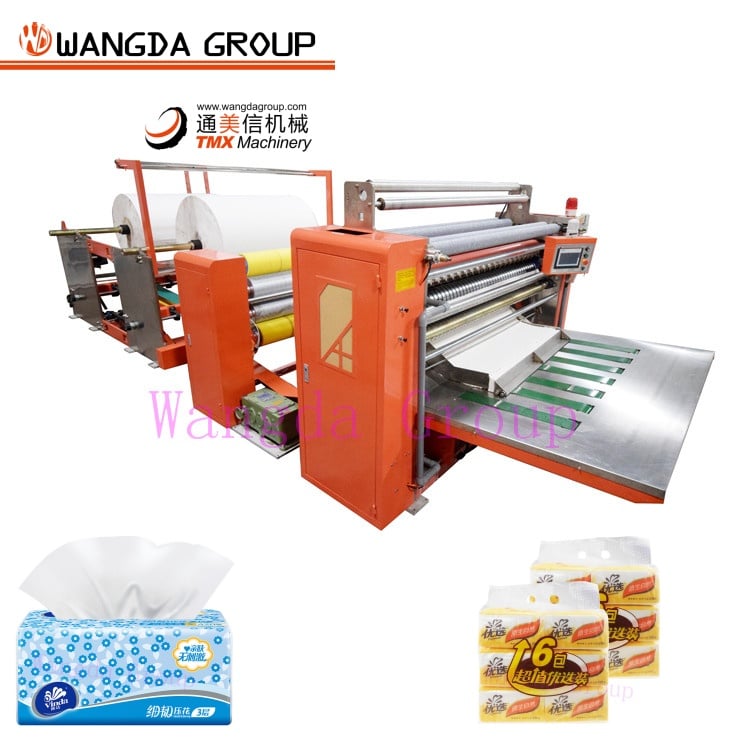
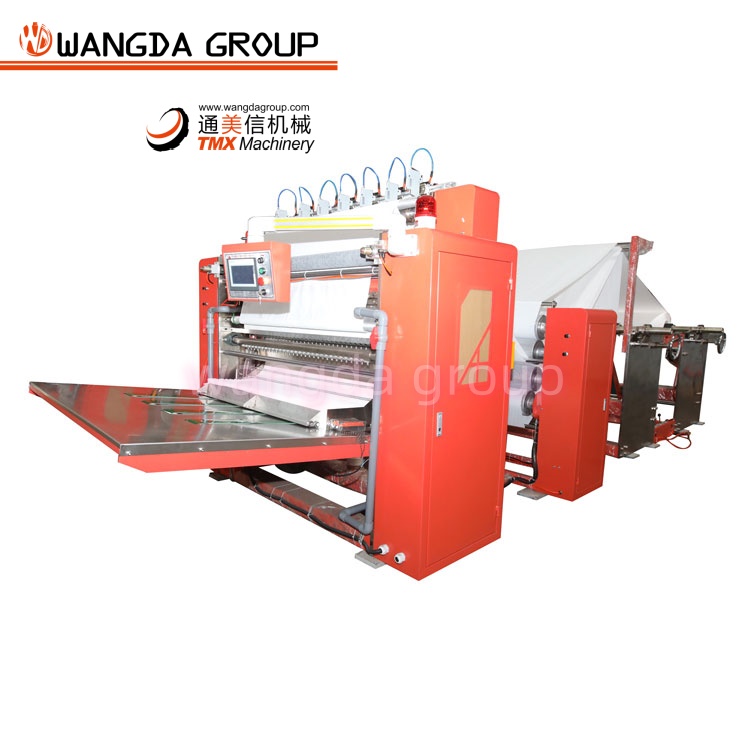
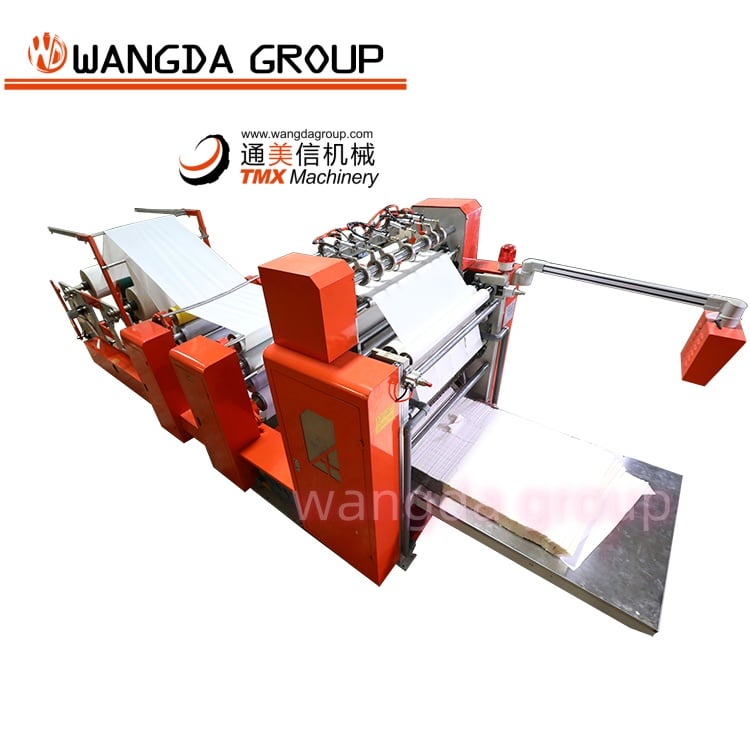
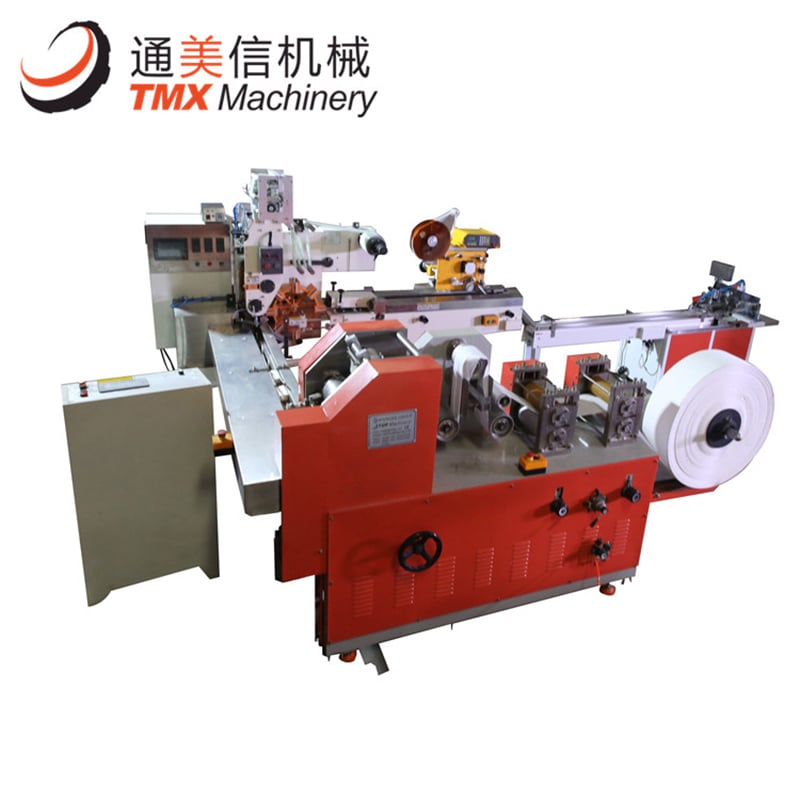
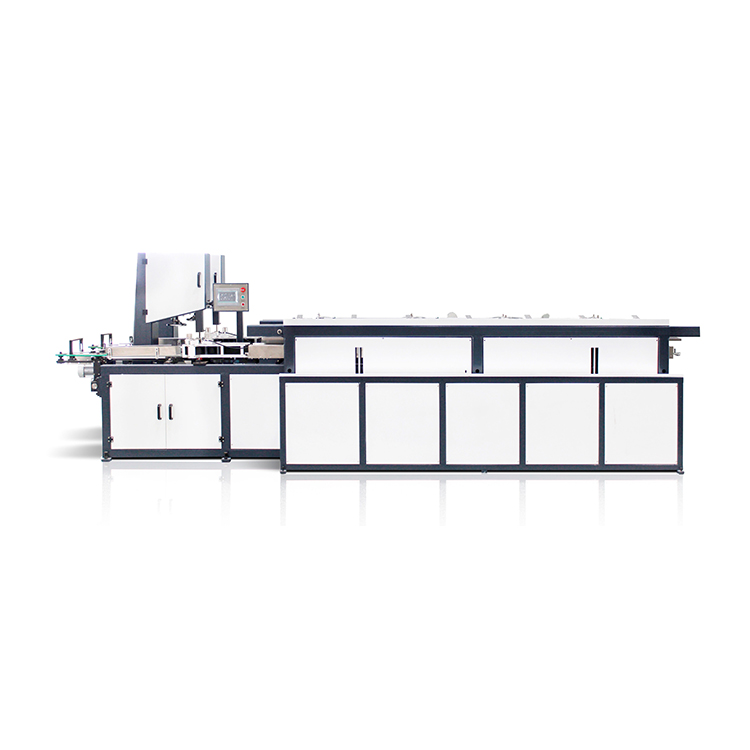
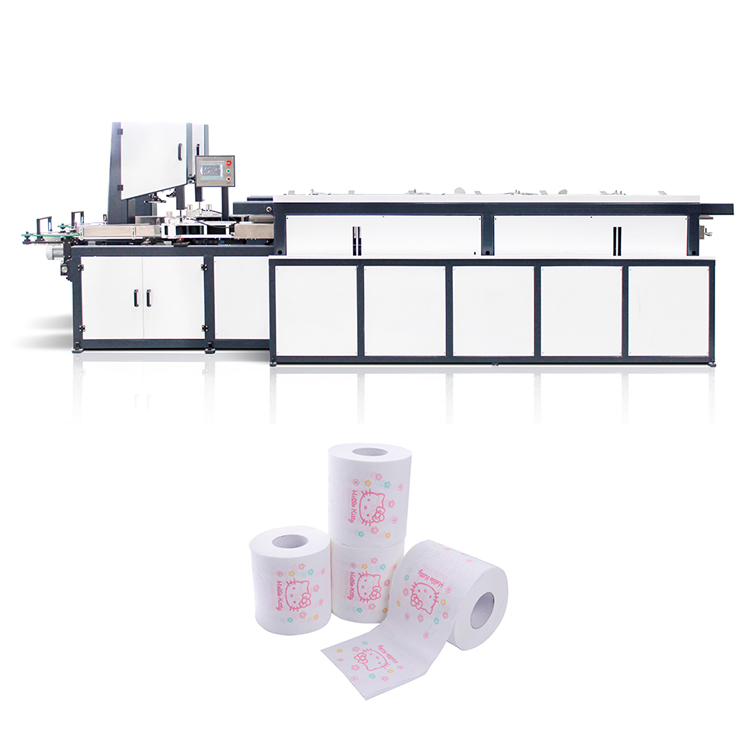
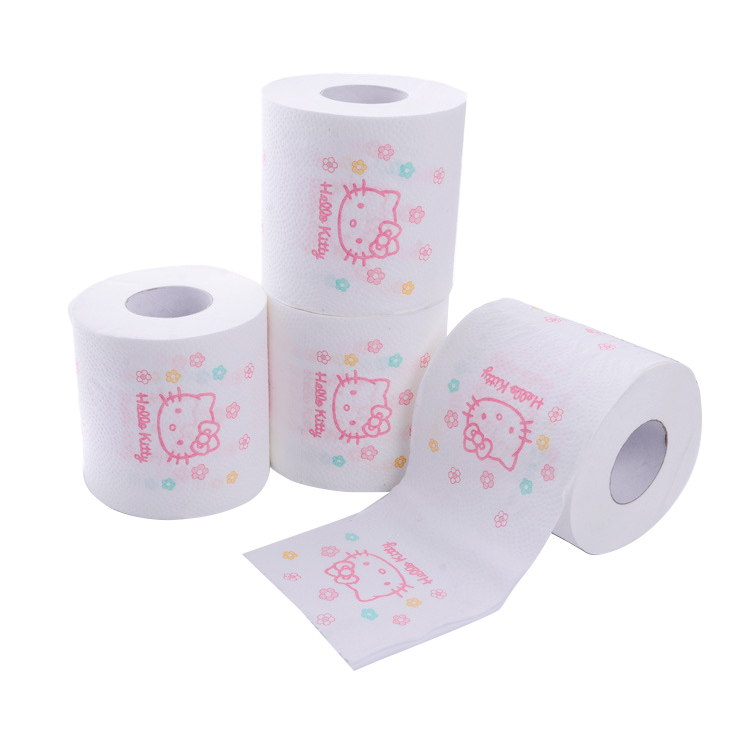
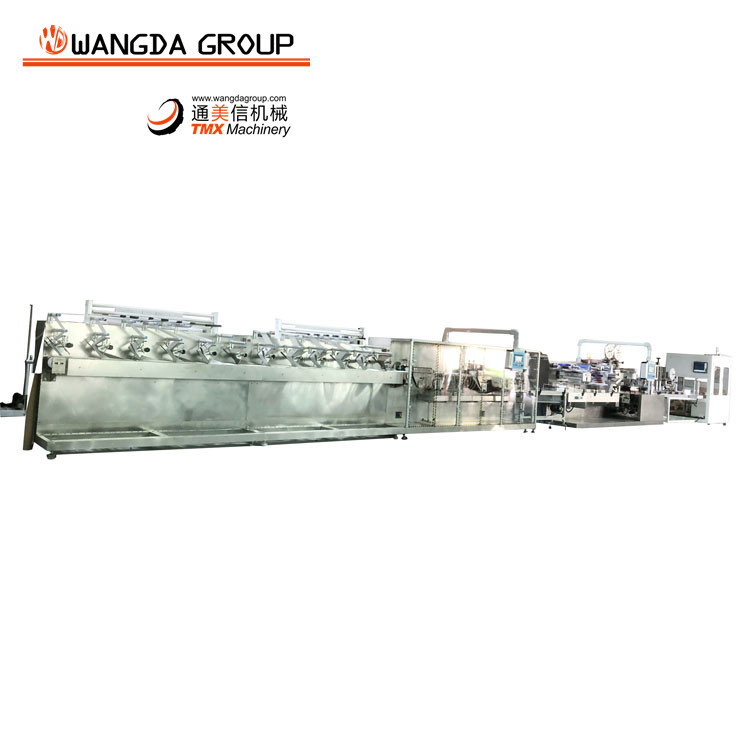
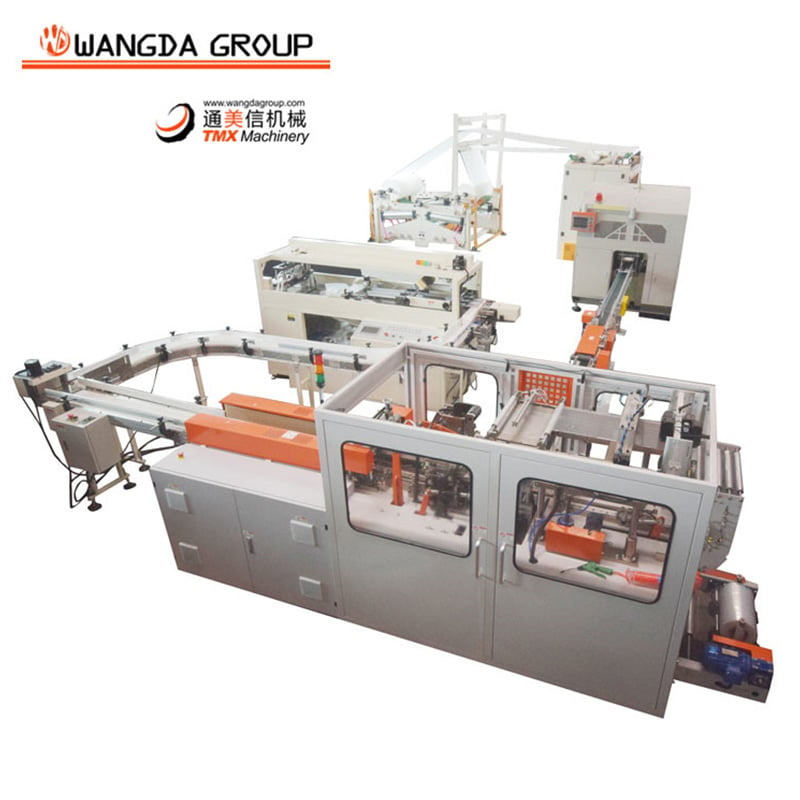
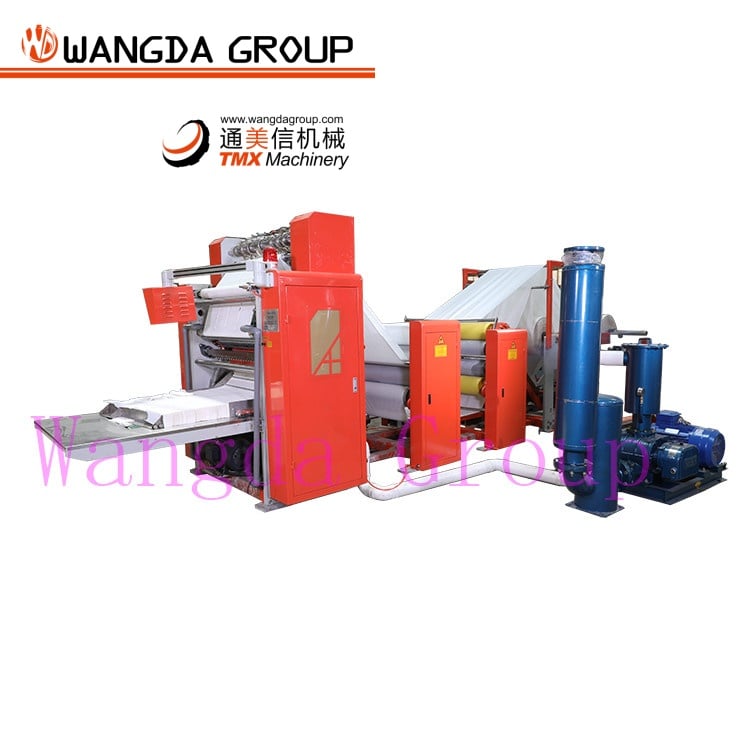
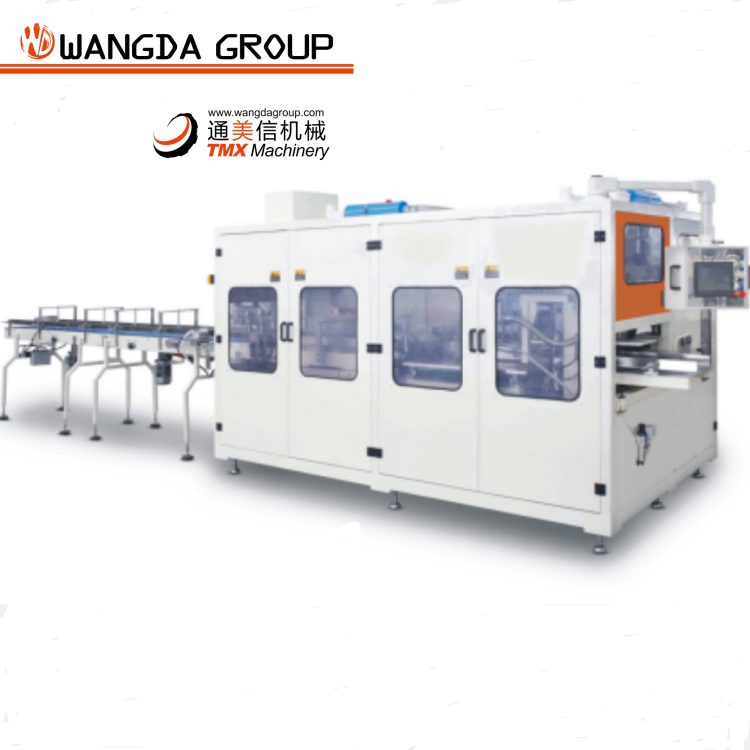
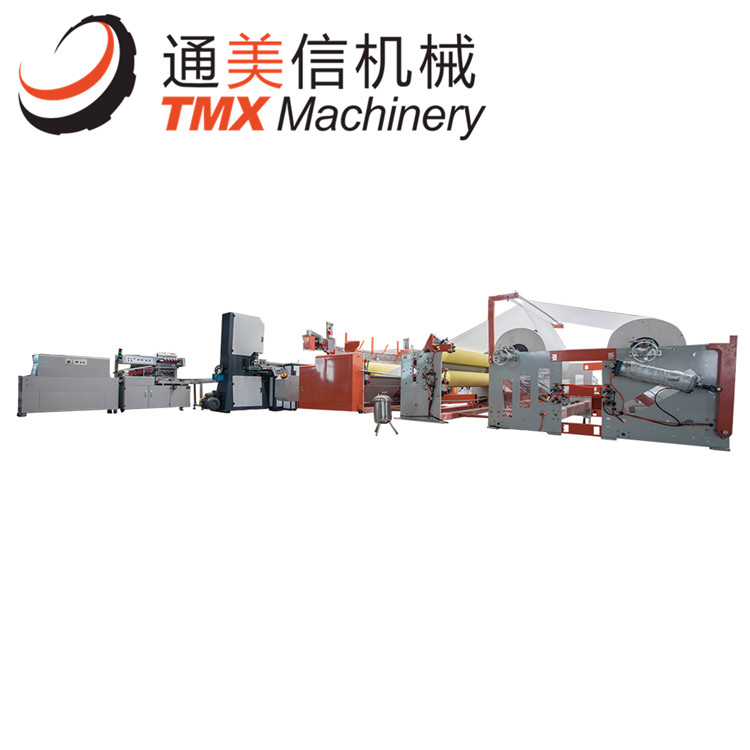
A crescent former tissue machine is a pivotal piece of equipment in the production of tissue products, such as facial tissue, napkins, and toilet paper. For B2B buyers, particularly those in manufacturing, understanding the specifications, capabilities, and installation processes of these machines is crucial for making informed purchasing decisions. This article will address key considerations when selecting a crescent former tissue paper machine, helping buyers to evaluate their options effectively.
Selecting the right crescent former tissue machine involves several critical factors. First and foremost, buyers should evaluate the production capacity of the machine, as this will impact operational efficiency and meeting customer demands. The tissue machine with higher output rates may be necessary for larger operations.
Additionally, the machine's compatibility with existing production lines is essential. Buyers should consider the dimensions and layout of their facilities to ensure that the new equipment can be integrated seamlessly. Features such as automation levels and energy efficiency should also be assessed, as these can significantly affect long-term operational costs.
Another important aspect is the quality of the final product. Machines that allow for precise control over parameters such as sheet thickness and moisture content can enhance product quality. Buyers should request samples of the tissue produced by the machine to evaluate its performance and suitability for their specific applications.

When comparing crescent former tissue machines, there are several key specifications buyers should focus on:
Production Speed: Measured in meters per minute, this determines how quickly the machine can produce tissue products. Higher speeds are ideal for large-scale operations.
Sheet Width: The width of the tissue sheets produced should align with market requirements. The automatic tissue machine can often be customized to produce various widths.
Basis Weight Range: This specification indicates the weight of the tissue produced per unit area, typically measured in grams per square meter (gsm). Buyers should select machines that can accommodate the basis weight suitable for their product lines.
Energy Consumption: Efficiency ratings can help buyers understand the operating costs. Machines that consume less energy while maintaining production quality can lead to substantial savings.
Automation Features: Full-servo systems offer improved precision and reduced labor costs, making them a valuable consideration for buyers looking to enhance productivity.
Understanding these specifications allows buyers to assess which machines align best with their production goals and operational constraints.

When evaluating crescent former tissue machines for bulk orders, several comparison strategies can help buyers make informed decisions. Start by gathering detailed specifications from multiple suppliers, focusing on production capacities, energy efficiencies, and technological advancements.
Requesting demonstrations or trial runs can provide insight into the machine's performance in real-world conditions. Buyers should also seek feedback from current users to understand the reliability and maintenance needs of different models.
Pricing structures should be transparent, including any additional costs related to installation, training, and after-sales support. Buyers should consider not only the initial cost but also the total cost of ownership, which includes maintenance and operational expenses over time.
Finally, it’s advisable to evaluate the supplier’s reputation and track record. A reliable manufacturer, such as Wangda Industrial Co., Limited, known for producing high-quality, certified machinery, can offer peace of mind regarding product performance and customer service.
Installing a crescent former tissue machine can present various challenges that buyers should be prepared for. One common issue is the alignment of the machine with existing production equipment. Buyers should ensure that installation teams have detailed facility layouts to avoid misalignment that could hinder production efficiency.
Another challenge is the power supply and utility requirements. It's critical to verify that the facility can accommodate the machine's electrical and water demands. Any discrepancies can lead to operational delays or increased costs.
Finally, training staff on the new machine's operation is essential. Insufficient training can result in operational inefficiencies and increased downtime. Buyers should work with suppliers to arrange comprehensive training programs tailored to their team's needs.
Tissue paper machine has a very experienced with a long-standing sales team as well as an after-sales staff, 80% of the team has worked for more than 10 years in our business in this hygienic product industry. Our team members have a lot of experience working with daily-use paper tissue machines, related packing machines and so on hygienic product machines We are experts in a range of information in this area, we know what our clients need, and worry about the things that make they are concerned about. We don't only sell machines to our customers, we also assist our customers to make profit from this hygienic business, to provide the lifelong after-sales service to our customers on time.
Wangda has over 20 years of manufacturing tissues machines. We pay close attention to the quality of machines, their function and pre and post sales service. We have sold machines in more than 100 countries, which has won us many repeat orders and good reviews from our clients. Wangda has our own R and D departments. Our machines are based on advanced Germany Japanese, Japan and Italian technology and is keeping updated day by day. Our machines have been certified to ISO9002, Tissue paper manufacturing machine, BV and others certifications. We offer turnkey solutions that span from A to Z Not just machines.
We've worked with many clients, both Tissue paper machine home and abroad.
Wangda produces toilet tissue machines (including cutting and packing) kitchen towels machines (including cutting and packing) facial tissue machines (including cutting and packing) bags of Toilet paper making machine facial tissue machines. We also make maxi roll rewinding devices as well as perforating machines.
The total cost of a crescent former tissue machine encompasses several factors beyond the initial purchase price. Key considerations include:
Customization Requirements: Machines that require specific features or modifications to meet unique production needs may incur additional costs.
Shipping and Installation Fees: Depending on the machine's size and complexity, transportation and setup can significantly influence the overall price.
Warranty and Maintenance Plans: Buyers should evaluate the terms of warranties offered by suppliers and consider investing in extended maintenance plans to minimize future repair costs.
Energy Efficiency: While more energy-efficient machines may have a higher upfront cost, they can lead to lower operating expenses over time. Buyers should factor these long-term savings into their cost analysis.
By thoroughly understanding these cost factors, buyers can make more informed decisions that align with their budgetary constraints and production goals.
Selecting the right crescent former tissue machine requires careful consideration of specifications, installation challenges, and cost factors. By being well-informed, buyers can enhance their operational efficiency and meet the demands of their market effectively.