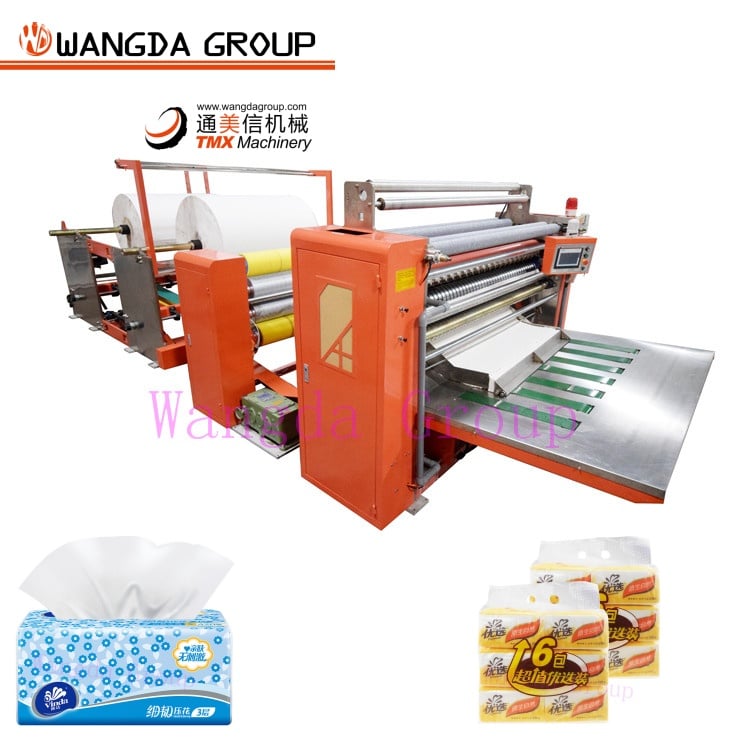
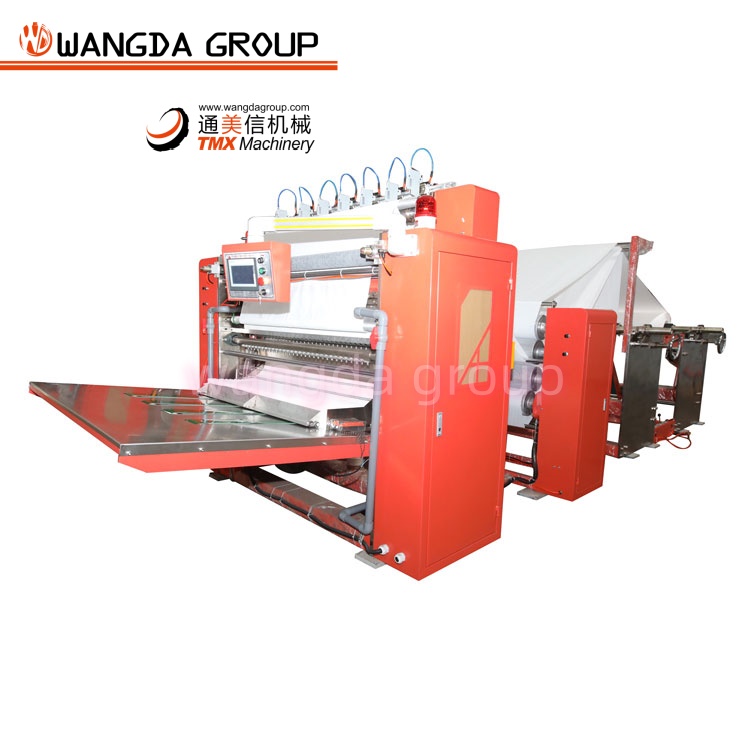
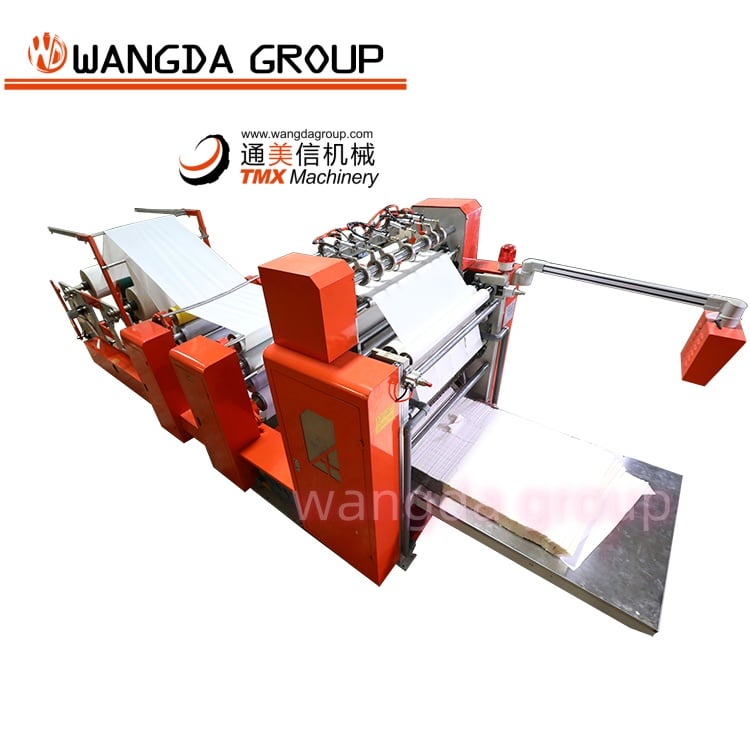
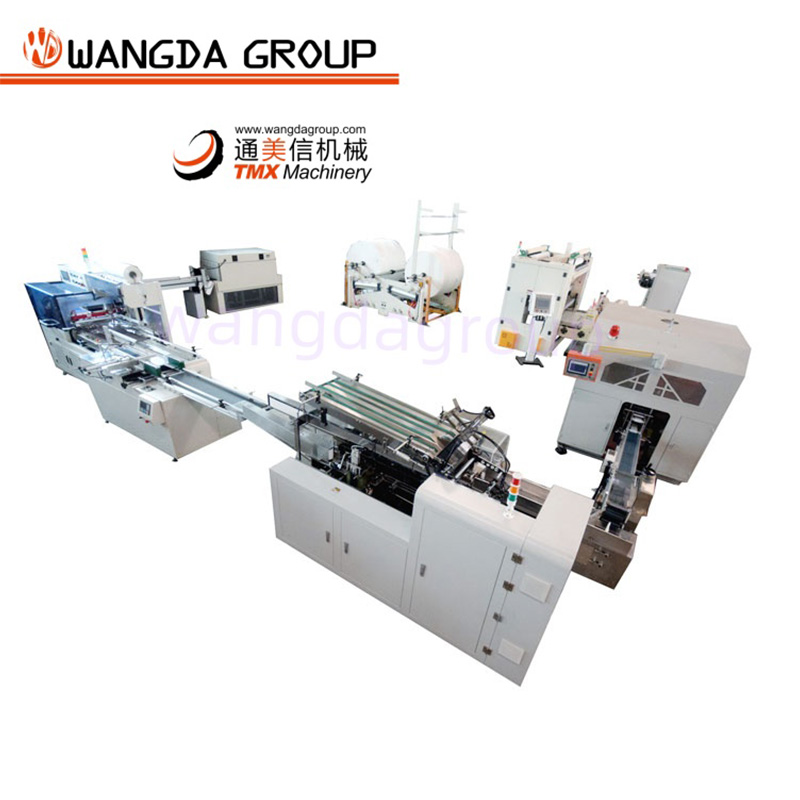
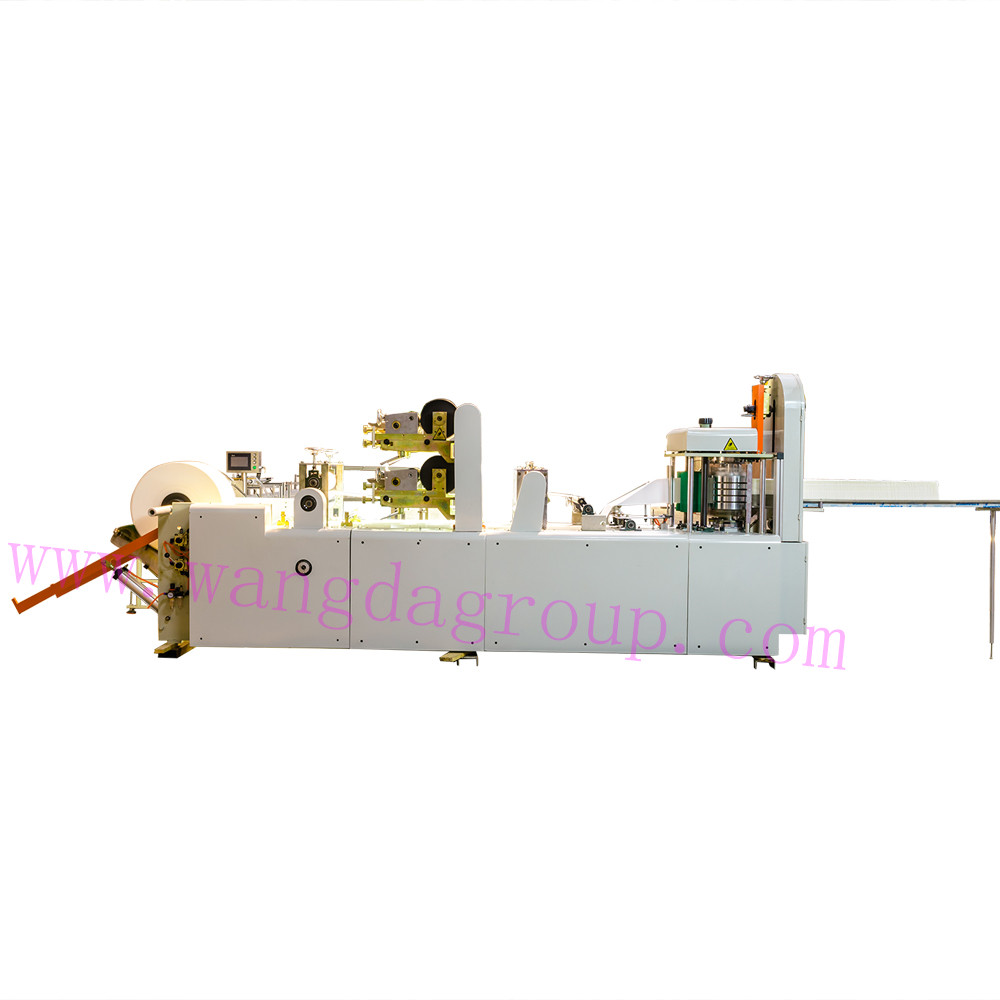
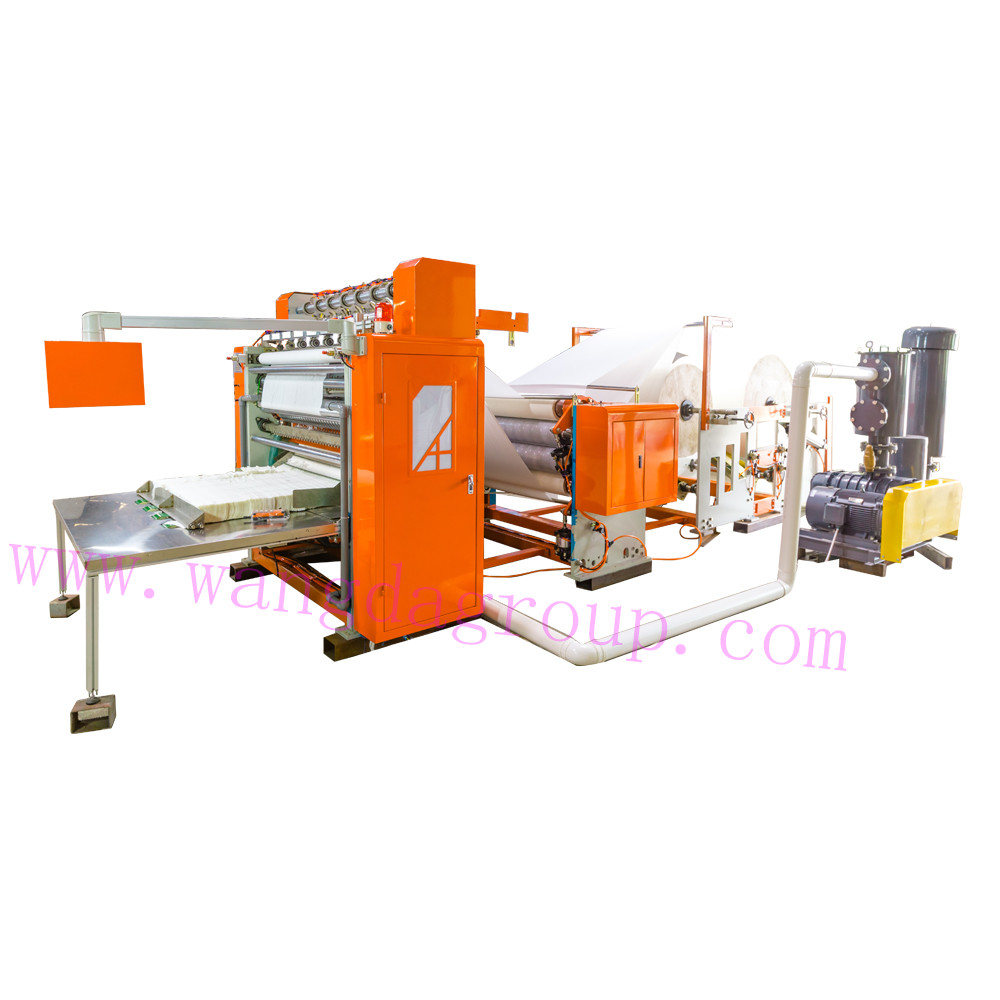
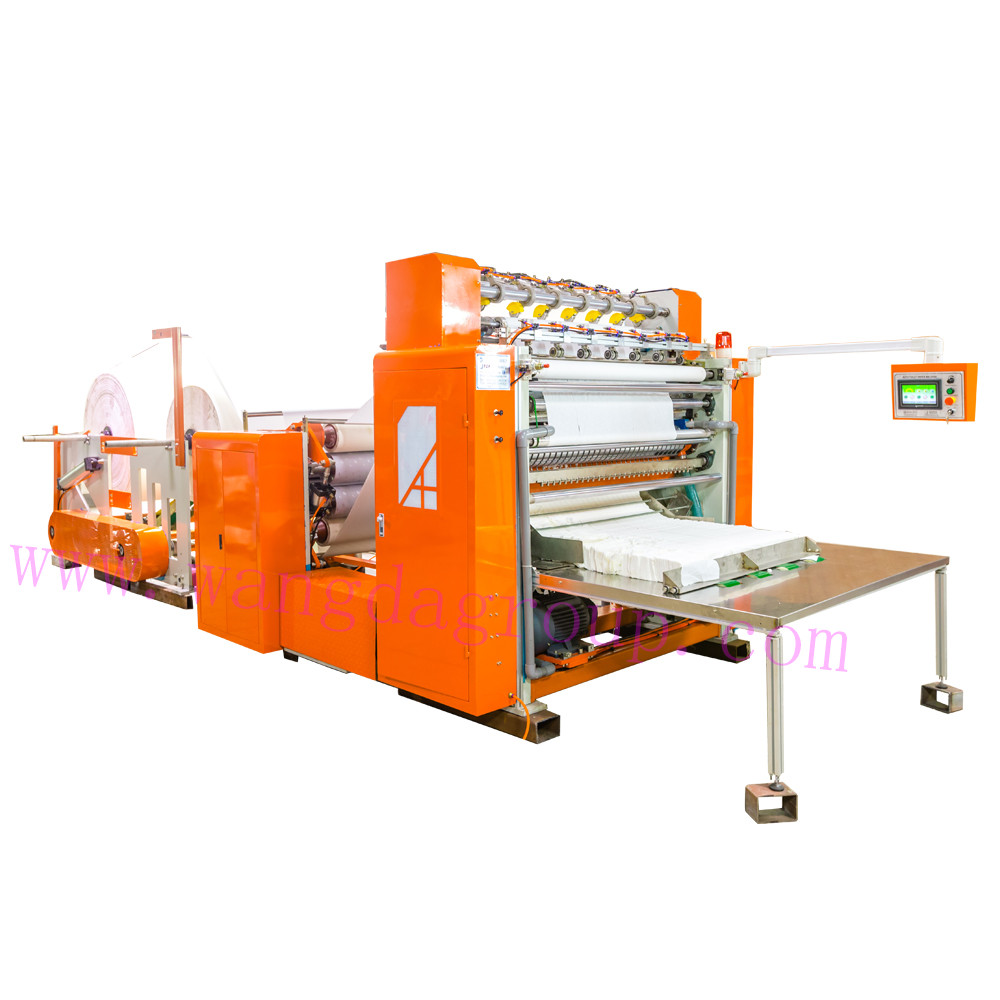
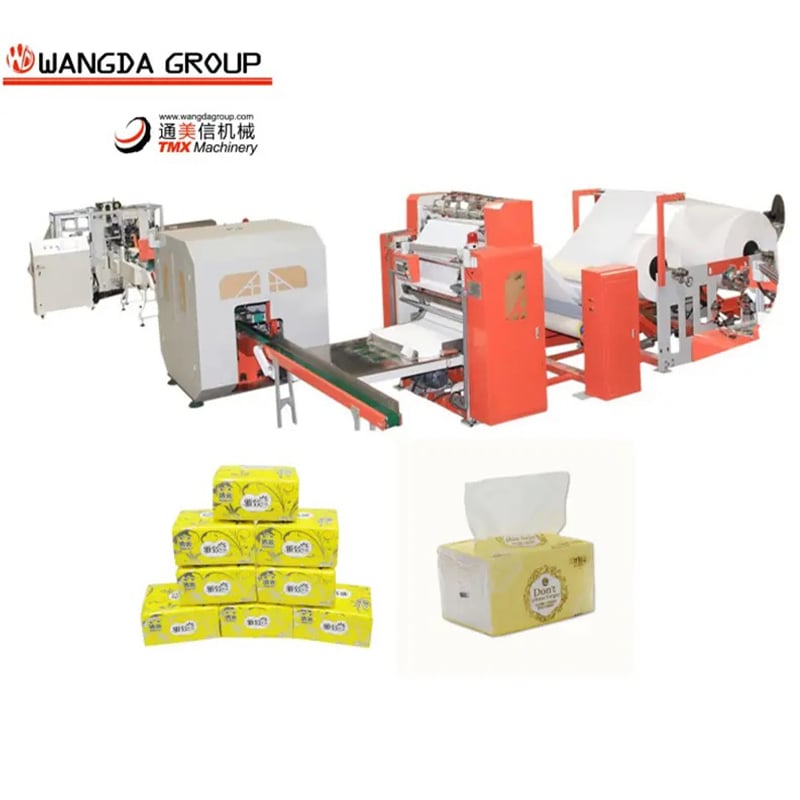
Automatic facial tissue converting lines are essential machinery for manufacturers in the hygiene product industry, enabling efficient production of facial tissues with precision and speed. As a purchasing manager or product manager, your main concerns may include the machine's reliability, production capacity, customization options, and overall cost-effectiveness. This article will guide you through the key considerations when choosing an automatic facial tissue folding machine tissue converting line, helping you make informed decisions in sourcing and procurement.
When selecting an automatic facial tissue converting line, consider the following key factors:
Production Capacity: Ensure the line can meet your expected output. Look at the machine's speed, typically measured in meters per minute, and how many rolls or sheets it can produce in a given timeframe. This helps in aligning production capabilities with market demand.
Technology: Modern machines come with advanced technology, such as full-servo systems, which enhance precision and reduce waste. Evaluate how the technology used can improve efficiency and product quality.
Customization Options: Different applications may require specific features. Assess the automatic facial tissue paper folding machine machine’s ability to accommodate various sizes, packaging formats, and tissue quality requirements to meet your diverse customer needs.
Maintenance and Support: Consider the ease of maintenance and the availability of technical support from the supplier. A reliable supplier should provide comprehensive after-sales service and accessibility to spare parts.
Certifications and Compliance: Verify that the machine meets industry standards and certifications, which can assure quality and safety in production.
Taking these factors into account will help you select a machine that fits your operational requirements and enhances productivity.

Finding trustworthy suppliers for automatic facial tissue converting lines involves several steps:
Industry Trade Shows: Attending industry exhibitions and trade fairs can connect you with reputable manufacturers and allow you to see their machines in action. This firsthand experience can be invaluable in assessing quality and reliability.
Online Marketplaces and Directories: Platforms like Alibaba or Global Sources feature numerous suppliers. Check their ratings, reviews, and the number of transactions to gauge reliability. Look for manufacturers with a strong export history and positive feedback from previous clients.
Networking with Industry Peers: Engaging with fellow professionals and industry associations can provide recommendations for established suppliers. Networking can often lead to valuable insights based on other companies’ experiences.
Supplier Background Checks: Conduct thorough research on potential suppliers. Look into their manufacturing capabilities, quality control processes, and history in exporting machinery globally.
Requesting Samples: Before committing to a purchase, request samples or demonstrations. This semi-automatic facial tissue folding machine allows you to evaluate machine performance and quality directly.
By employing these strategies, you can source reliable suppliers that align with your business needs.

When comparing facial tissue converting machines, focus on the following specifications:
Production Speed: This refers to the rate at which the machine can produce tissue. Higher speeds often translate to lower production costs per unit. Ensure the speed meets your production goals without compromising quality.
Tissue Thickness and Quality: Different applications may require various thicknesses of tissue. Understanding the machine’s capability to adjust thickness settings is crucial.
Material Compatibility: Check what types of raw materials the machine can handle, including recycled options. This can influence both the cost and the environmental impact of your production.
Energy Efficiency: Modern machines should offer energy-efficient operation to reduce long-term operational costs. Evaluate specifications related to energy consumption and compare them across different models.
Automation Level: Full automation can significantly enhance efficiency and reduce labor costs. Look for features such as automatic roll changing and fault detection systems.
By focusing on these specifications, you can ensure that the machine you choose aligns with your production requirements and budget.

The cost of an automatic facial tissue converting line can vary widely based on several factors:
Machine Features and Technology: Advanced features such as automation, servo motors, and integrated quality control systems can increase upfront costs but may lead to savings in the long run through higher efficiency and reduced waste.
Production Capacity: Higher-capacity machines typically come with a higher price tag. Consider your production needs carefully to avoid over-investing in unnecessary capacity.
Customization Requirements: If your production process requires specific customizations, this can add to the base cost. Be clear about your requirements to get accurate quotes from manufacturers.
Service and Support Packages: Some suppliers may offer additional services, such as training, extended warranties, or maintenance packages. These can be beneficial but may also affect the overall cost.
Shipping and Import Fees: If sourcing from international suppliers, consider shipping costs and any import duties that may apply. These fees can significantly affect the total investment.
Understanding these cost factors will enable you to budget effectively and make informed purchasing decisions.
Wangda has over 20 years of manufacturing tissues machines. We pay close attention to the quality of machines, their function and pre and post sales service. We have sold machines in more than 100 countries, which has won us many repeat orders and good reviews from our clients. Wangda has our own R and D departments. Our machines are based on advanced Germany Japanese, Japan and Italian technology and is keeping updated day by day. Our machines have been certified to ISO9002, Tissue paper manufacturing machine, BV and others certifications. We offer turnkey solutions that span from A to Z Not just machines.
We've Toilet paper roll making machine with many clients both in the United States as well as abroad.
The sales and after-sales departments are very experienced and professional. Our team has worked in the field of hygienic products for over 10 years. We are aware of what our customers are looking for and are Tissue making machine of what makes them worry. Our clients are not just purchasing machines from us but also helping them earn a profit from the hygiene-related business. We provide our clients with the services after-sales they need.
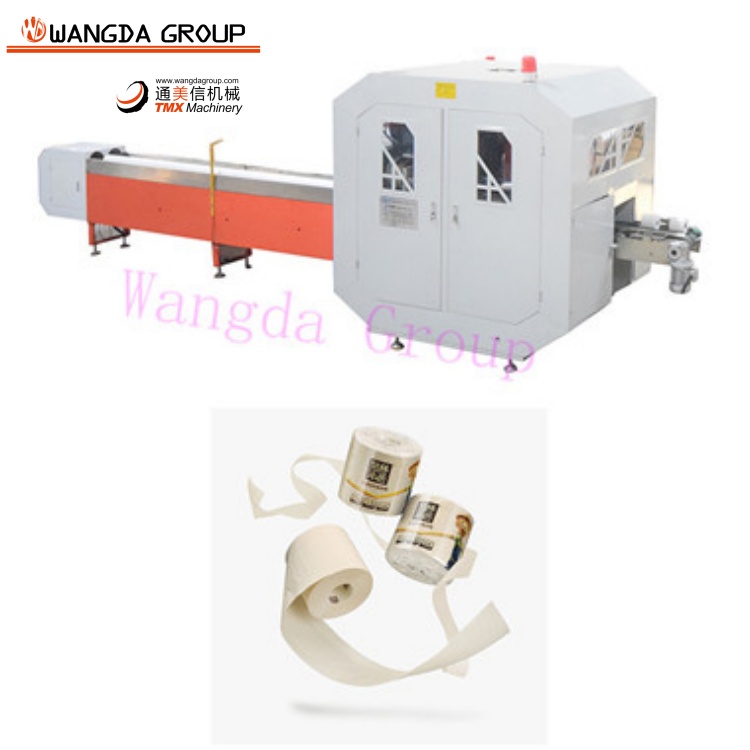
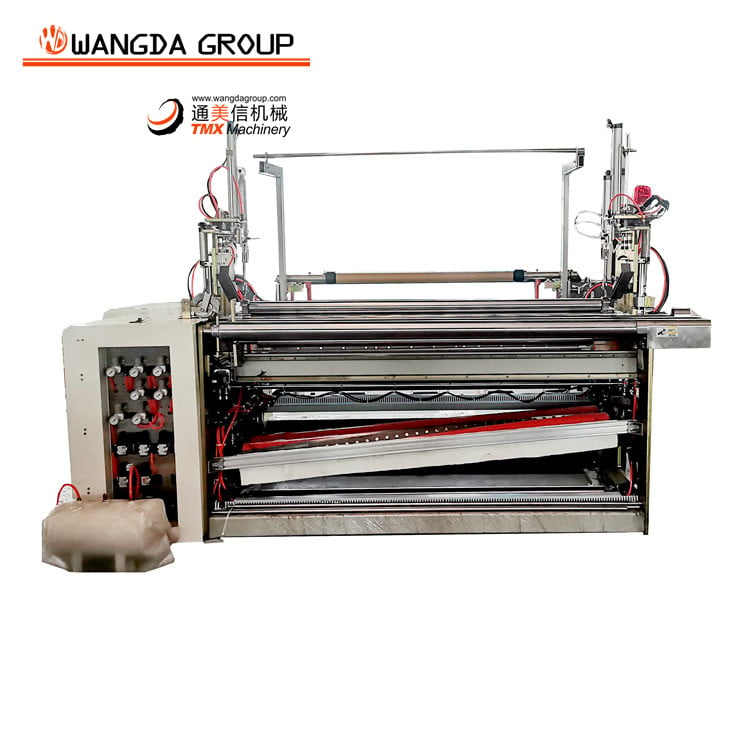
Wangda manufactures toilet tissue machines (including Toilet paper manufacturing machine and packing) Kitchen towel machines (including cutting and packing) facial tissue machines (including cutting and packing), nylon bag facial tissues machines. We also manufacture maxi roll rewinding machines as well as perforating machines.
While automatic facial tissue converting lines are designed for efficiency, they may encounter common issues:
Paper Jams: A frequent problem in high-speed machines. Regular maintenance and ensuring proper paper alignment can minimize this issue. Consider investing in machines equipped with sensors that detect jams and automatically shut down to prevent damage.
Quality Variations: Inconsistent tissue quality can arise from fluctuations in raw material or machine settings. Implement quality control measures at various stages of production to identify and rectify issues early.
Equipment Downtime: Unexpected downtime can be costly. Regular maintenance schedules and training for operators can help minimize this risk. Additionally, having a reliable supplier who provides quick access to spare parts is critical.
Calibration Issues: Machines may require recalibration over time to maintain optimal performance. Establish a routine for checking and recalibrating machines based on usage.
Integration with Existing Systems: If you're integrating new machines into existing production lines, compatibility issues can arise. Consult with suppliers to ensure smooth integration and to avoid operational disruptions.
By anticipating these common issues and implementing preventative measures, you can enhance the reliability and efficiency of your tissue production line.
selecting the right automatic facial tissue converting line requires careful consideration of various factors, from specifications to supplier reliability. By understanding these aspects, you can make informed decisions that lead to efficient production and satisfied customers.